We have moved to
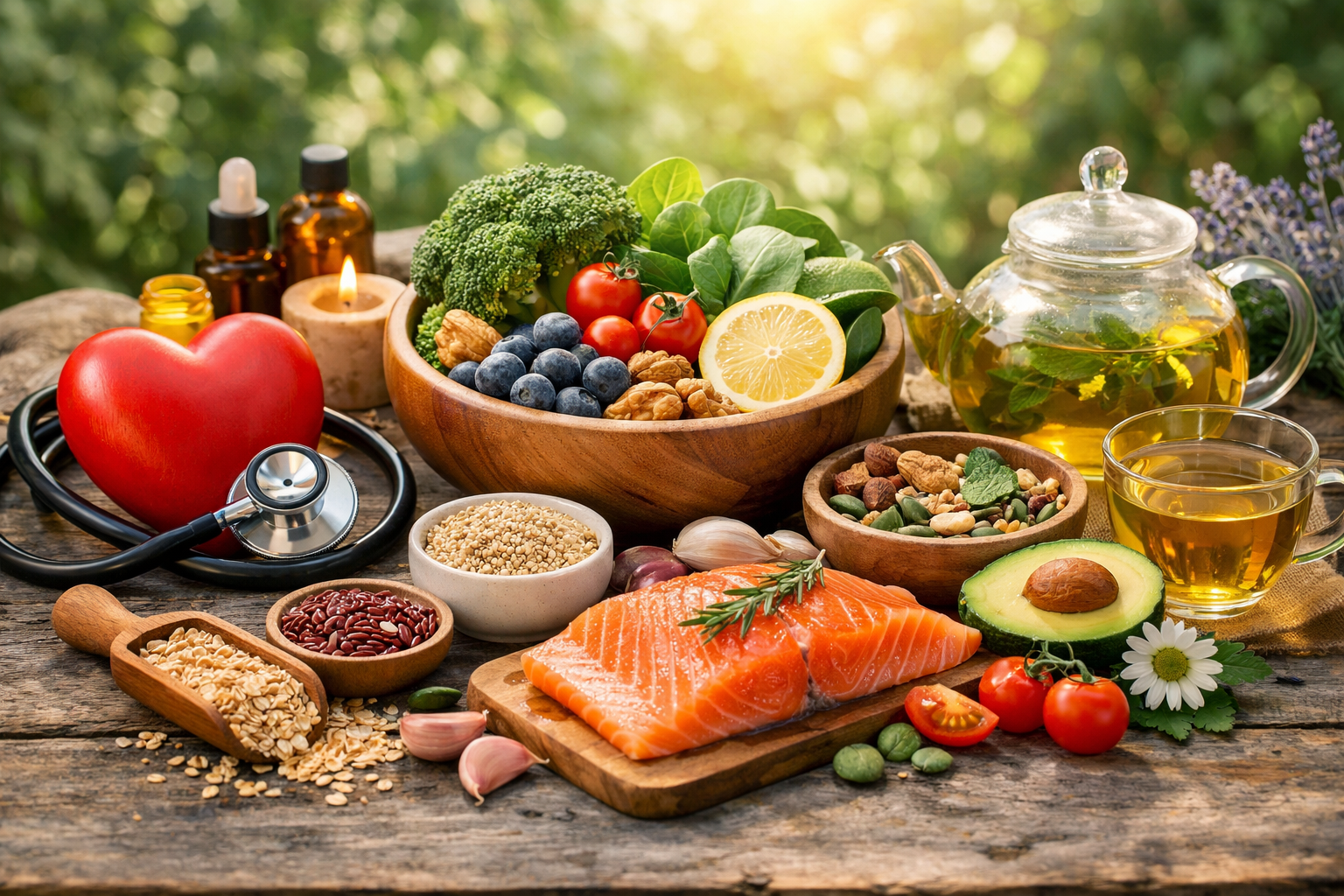

Living with heart failure can feel challenging. However, following a holistic heart failure diet plan can help support daily energy, fluid balance, and overall heart health. For people living with congestive heart failure, nutrition plays a major role in holistic heart treatment and long-term well-being. When combined with holistic cardiology principles, food becomes a powerful tool for healing the heart naturally.
Most importantly, healing the heart requires more than medication alone. A holistic heart failure diet plan focuses on the whole person—body, mind, and emotions. Therefore, this guide explores how nutrition and holistic cardiology can support heart health naturally and safely.
This article follows Google’s EEAT guidelines by providing clear, experience-based, and trustworthy information designed to support—not replace—medical care.
Understanding Congestive Heart Failure From a Holistic View
Congestive heart failure happens when the heart cannot pump blood as well as it should. As a result, fluid may build up in the lungs or legs, causing fatigue and shortness of breath.
From a holistic cardiology view, heart failure is not just a heart problem. Instead, it often reflects long-term stress, poor diet, inflammation, and nutrient loss.
Therefore, holistic heart treatment looks at:
- Inflammation levels
- Blood flow and oxygen delivery
- Nervous system balance
- Emotional stress
- Daily lifestyle habits
By addressing these areas, many people feel stronger and more supported.
Why Diet Plays a Key Role in Heart Treatment
Food affects the heart every single day. For example, what you eat can change blood pressure, fluid balance, and energy levels.
Therefore, a thoughtful diet can:
- Reduce fluid retention
- Lower strain on the heart
- Improve daily stamina
- Support emotional health
- Help medications work better
Rather than focusing on strict limits, a holistic approach focuses on nourishment and balance.
Core Principles of a Holistic Heart Failure Diet Plan
1. Reduce Inflammation First
Inflammation weakens the heart over time. Therefore, calming it is essential.
Helpful anti-inflammatory foods include:
- Leafy greens
- Berries
- Olive oil
- Garlic and ginger
- Fatty fish like salmon
At the same time, avoiding processed foods helps lower stress on the heart.
2. Manage Sodium Wisely, Not Extremely
Many heart failure diets cut sodium too much. However, extreme restriction can cause weakness and dizziness.
Instead:
- Avoid packaged foods
- Cook at home more often
- Use small amounts of natural salt
- Balance sodium with potassium-rich foods
For example, avocados, spinach, and beans help balance fluids naturally.
3. Focus on Fluid Quality
Rather than simply drinking less, holistic cardiology focuses on better fluids.
Good options include:
- Filtered water
- Herbal teas
- Light vegetable soups
As a result, the body stays hydrated without excess fluid buildup.
Best Foods for Healing the Heart
Vegetables That Support Blood Flow
Vegetables are rich in minerals and antioxidants. Therefore, they are essential in heart treatment.
Choose:
- Spinach
- Kale
- Broccoli
- Beets
These foods help blood vessels relax and improve circulation.
Smart Protein Choices
Protein supports muscle strength, including the heart muscle.
Better protein options include:
- Wild fish
- Organic eggs
- Lentils
- Beans
- Tofu
In contrast, processed meats should be limited due to added salt and fats.
Healthy Fats for Heart Energy
The heart needs healthy fats to function well.
Include:
- Olive oil
- Nuts
- Seeds
- Avocados
These fats support energy production and reduce inflammation.
Whole Grains for Steady Energy
Whole grains help control blood sugar and cholesterol.
Good choices include:
- Oats
- Quinoa
- Brown rice
Meanwhile, refined grains should be limited because they stress the heart.
Foods to Limit With Congestive Heart Failure
Although no food is forbidden, some should be limited.
These include:
- Sugary snacks
- Fried foods
- Packaged meals
- Artificial sweeteners
- Excess alcohol
Over time, these foods increase inflammation and worsen symptoms.
The Gut–Heart Connection
The gut and heart are closely linked. When digestion is poor, inflammation rises.
Therefore, gut health is part of holistic cardiology.
Support digestion with:
- Fermented foods
- Fiber-rich vegetables
- Herbal teas
As a result, nutrient absorption improves and heart stress decreases.
Emotional Health and the Heart
The heart is deeply affected by emotions. Stress, grief, and fear can raise blood pressure and heart strain.
Therefore, holistic heart treatment includes:
- Mindful eating
- Deep breathing
- Meditation
- Gentle movement
Even a few minutes a day can improve heart rhythm and calm the nervous system.
Sample One-Day Holistic Heart Failure Meal Plan
Morning
- Warm water with lemon
- Oatmeal with berries and flaxseed
Midday Snack
- Smoothie with spinach and avocado
Lunch
- Vegetable soup with lentils
- Mixed greens with olive oil
Afternoon Snack
- Apple with nuts
Dinner
- Baked salmon
- Steamed vegetables
- Quinoa
This plan supports energy while protecting the heart.
Supplements and Nutrients (Medical Guidance Needed)
Some people with heart failure may lack key nutrients such as:
- Magnesium
- CoQ10
- Omega-3 fats
However, supplements should only be used with professional guidance.
Why Holistic Cardiology Builds Trust (EEAT)
This approach follows EEAT principles by offering:
- Real-world experience
- Science-based nutrition
- Clear safety guidance
- Patient-first education
Most importantly, holistic cardiology works with standard medical care.
Living Well With Heart Failure
Although congestive heart failure is serious, healing support is possible. With the right food, mindset, and care, many people feel stronger and more hopeful.
Ultimately, food becomes a tool for healing—not fear.
Ready to Support Your Heart Naturally?
If you are living with heart failure and want a personalized holistic heart treatment plan, expert guidance can help.
Schedule a consultation with Dr. Cynthia to explore integrative heart care, nutrition, and healing strategies.
Your heart deserves whole-person care.