We have moved to
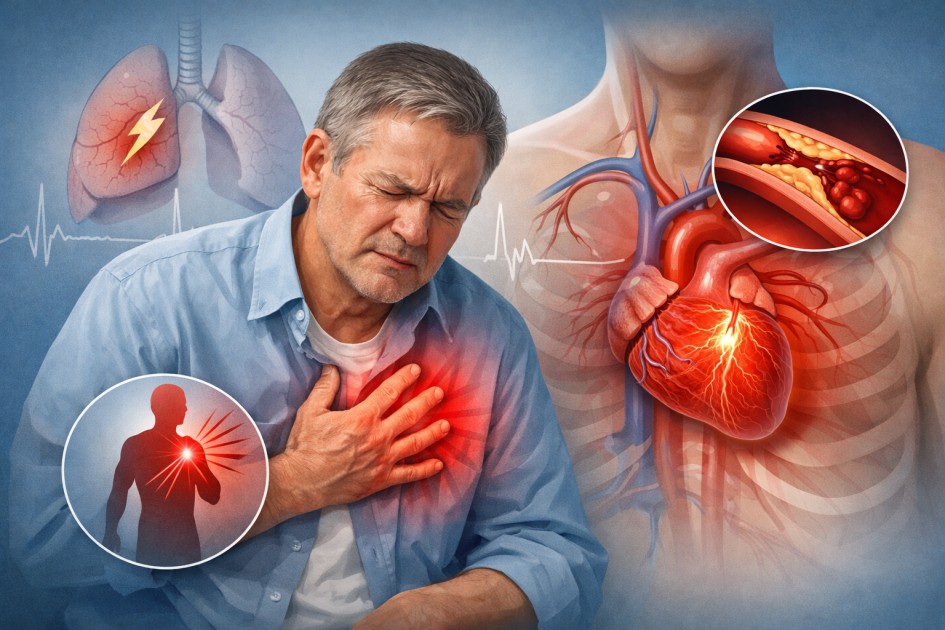

Chest pain has a way of stopping people in their tracks—especially when it’s felt on the left side. For many, that location immediately raises concern about the heart, and understandably so. The left side of the chest houses critical structures, including the heart, major blood vessels, and important nerves. But not all chest pain left side issues are cardiac, and not all heart-related pain feels dramatic or crushing.
Over the years, I’ve spoken with countless patients, clinicians, and caregivers about chest pain. One thing is clear: confusion and fear often delay the right care. This guide is designed to change that. We’ll walk through what left-side chest pain can mean, when it’s serious, when it’s not, and how to make informed decisions about your health.
Understanding Chest Pain: Why Location Matters
Chest pain is a broad term. It can describe sharp, dull, burning, tight, or pressure-like sensations. Some people feel it briefly; others live with it for days. When pain appears on the left side of the chest, people often assume the worst—and sometimes, that instinct is correct.
However, pain location alone does not confirm a heart problem. Muscles, ribs, lungs, nerves, and even digestive organs can refer pain to the left chest. What matters more is how the pain behaves, what triggers it, and what symptoms come with it.
Common Non-Cardiac Causes of Left-Side Chest Pain
Not every episode of chest pain left side is a medical emergency. In fact, many cases turn out to be unrelated to the heart.
Muscle Strain and Chest Wall Pain
Musculoskeletal pain is one of the most common reasons people experience chest pain. This can come from:
- Overuse during exercise
- Poor posture
- Heavy lifting
- Prolonged coughing
This type of pain often worsens when you move, twist, or press on the area. While uncomfortable, it’s typically not dangerous.
Acid Reflux and Digestive Issues
Gastroesophageal reflux disease (GERD) can mimic heart-related chest pain remarkably well. Burning pain, tightness, or pressure may radiate into the chest, especially after eating or lying down.
Because the esophagus runs behind the heart, acid reflux can easily be mistaken for cardiac pain. That’s why persistent chest pain should never be dismissed without evaluation.
Anxiety and Panic Attacks
Anxiety can create very real physical symptoms, including chest pain, rapid heartbeat, and shortness of breath. Panic-related chest pain often appears suddenly and may be accompanied by dizziness or sweating.
That said, anxiety should never be used as a default explanation without ruling out physical causes—especially if the pain is new or different.
Lung-Related Conditions
Issues such as pneumonia, pleurisy, or a collapsed lung can cause sharp left-sided chest pain, especially when breathing deeply or coughing. These conditions usually come with respiratory symptoms like fever, cough, or breathlessness.
When Left-Side Chest Pain Could Be Heart-Related
This is where caution matters most. Certain types of chest pain left side raise red flags for heart disease and should never be ignored.
Angina
Angina is chest pain caused by reduced blood flow to the heart. It often feels like pressure, squeezing, or heaviness in the chest and may spread to the left arm, neck, jaw, or back.
Angina may occur during physical activity or emotional stress and improve with rest. It’s a warning sign of underlying coronary artery disease.
Heart Attack (Myocardial Infarction)
A heart attack doesn’t always announce itself dramatically. While some people experience intense chest pain, others report mild pressure, fatigue, nausea, or discomfort that comes and goes.
Left-side chest pain associated with a heart attack may include:
- A feeling of tightness or crushing pressure
- Pain radiating to the left arm or shoulder
- Shortness of breath
- Cold sweats or nausea
If there is any doubt, emergency care is essential.
Pericarditis
Pericarditis is inflammation of the lining around the heart. It often causes sharp chest pain that worsens when lying down and improves when sitting forward.
This condition can occur after infections or as part of autoimmune disorders and requires medical evaluation.
Risk Factors That Increase Concern
Certain factors increase the likelihood that chest pain left side may be heart-related:
- High blood pressure
- Diabetes
- High cholesterol
- Smoking history
- Family history of heart disease
- Age over 40
- Sedentary lifestyle
If chest pain occurs alongside these risk factors, seeking professional cardiac services is especially important.
How Doctors Evaluate Left-Side Chest Pain
Medical evaluation is not guesswork. Clinicians use a structured approach to determine the cause of chest pain.
Medical History and Symptom Review
Doctors ask detailed questions about:
- When the pain started
- What it feels like
- What makes it better or worse
- Associated symptoms
Your answers matter more than you might think.
Physical Examination
A careful exam can reveal signs of musculoskeletal pain, lung issues, or cardiac stress.
Diagnostic Testing
Depending on symptoms, tests may include:
- Electrocardiogram (ECG)
- Blood tests for heart enzymes
- Chest X-ray
- Echocardiogram
- Stress testing
These tools help differentiate between benign and serious causes.
Why Ignoring Chest Pain Is a Risk You Shouldn’t Take
One of the most dangerous assumptions people make is waiting for chest pain to “go away.” While some pain does resolve on its own, heart-related chest pain often worsens with time.
Delaying evaluation can lead to:
- Permanent heart damage
- Complications requiring invasive treatment
- Increased risk of future cardiac events
Early intervention saves lives. It’s that simple.
Preventive Cardiac Care Matters
Even when chest pain turns out not to be heart-related, it can serve as a wake-up call. Preventive cardiac services help identify risk factors early and reduce future problems.
Routine heart evaluations can uncover:
- Silent hypertension
- Early coronary artery disease
- Rhythm abnormalities
- Structural heart conditions
Prevention is always easier than treatment.
When to Book an Appointment Without Delay
You should book an appointment with a qualified healthcare provider if:
- Chest pain left side is new, persistent, or worsening
- Pain occurs with exertion
- You experience shortness of breath, dizziness, or fainting
- You have known heart disease or risk factors
For urgent symptoms, emergency care is essential. For ongoing or unclear pain, scheduling cardiac services can provide clarity and peace of mind.
Listening to Your Body Is Not Overreacting
Many people worry about “wasting a doctor’s time.” In reality, healthcare professionals would rather evaluate a harmless issue than miss a serious one.
Chest pain is never something to self-diagnose through guesswork or online forums. Trust your instincts. If something feels off, it probably is.
Final Thoughts
Left-side chest pain sits at the intersection of fear and uncertainty. Sometimes it’s muscle strain or acid reflux. Other times, it’s the heart asking for attention. The difference isn’t always obvious without proper medical evaluation.
Understanding the possible causes empowers you to act wisely—not fearfully. Whether you need reassurance or advanced cardiac services, timely care makes all the difference.
If chest pain is affecting your life or peace of mind, don’t wait. Take the next step, speak with a professional, and book an appointment that prioritizes your heart health.