We have moved to
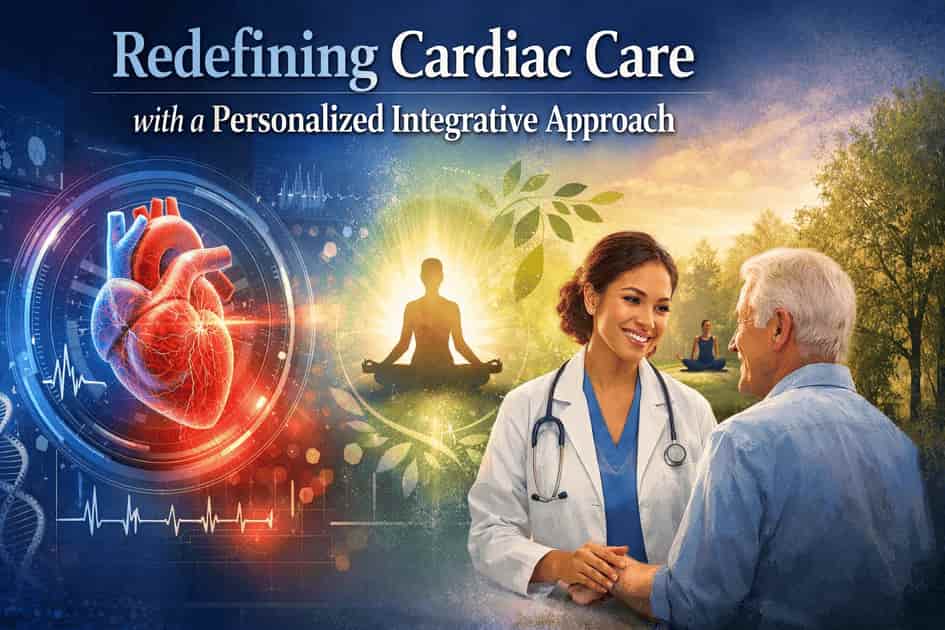

Holistic heart health is transforming the way we think about cardiovascular care. Instead of simply managing symptoms like high blood pressure or irregular rhythms, this approach looks deeper—asking why imbalances developed in the first place and how the entire body influences heart function.
This is precisely where holistic heart health begins to change the conversation.
Rather than focusing solely on symptoms, integrative cardiology blends evidence-based conventional medicine with functional and lifestyle-centered strategies. In other words, it does not reject modern medicine. Instead, it expands upon it—addressing root causes, prevention, and whole-body balance while still utilizing diagnostics, medications, and procedures when necessary.
As a result, patients receive care that feels both comprehensive and personal.
What Is Holistic Heart Health?
At its foundation, holistic heart health considers the entire person—body, mind, genetics, lifestyle, and environment. Instead of concentrating only on symptoms like high blood pressure or arrhythmias, it evaluates the broader physiological landscape.
For example, an integrative cardiology assessment may explore:
- Inflammation levels
- Metabolic health
- Hormonal balance
- Stress response and nervous system regulation
- Sleep quality
- Nutrition patterns
- Gut health
- Emotional wellbeing
Because the heart does not function in isolation, every system influences cardiovascular performance. Chronic stress elevates cortisol. Meanwhile, poor sleep worsens insulin resistance. Similarly, systemic inflammation contributes to plaque formation. Even emotional trauma can affect rhythm stability.
Therefore, an integrative cardiologist connects these dots rather than viewing each symptom independently.
When patients search for an alternative MD near me, they are often seeking exactly this broader, interconnected perspective.
Why Conventional Cardiology Alone Isn’t Always Enough
To be clear, modern cardiology is exceptional in emergencies. If you’re having a heart attack, you absolutely want rapid intervention and advanced technology. Likewise, in cases of advanced heart failure, medication protocols are lifesaving.
However, chronic heart disease does not appear overnight. Instead, it develops gradually—often over decades. Inflammation builds quietly. Metabolic dysfunction progresses slowly. Nutrient deficiencies accumulate. Stress remains unresolved.
Consequently, a purely reactive system may miss early warning signs.
This is where holistic heart health becomes proactive rather than reactive. By identifying subtle imbalances early, integrative cardiology allows patients to intervene before disease progresses.
A Personalized Integrative Approach to Cardiac Care
A personalized plan is not a trend; rather, it is a necessity. Since no two patients share identical genetics, lifestyles, or stressors, their care plans should not be identical either.
Typically, integrative cardiac care includes the following components:
1. Advanced Diagnostic Insight
First and foremost, understanding the “why” behind cardiovascular dysfunction is essential.
Beyond standard lipid panels and EKGs, integrative evaluations may include:
- Advanced lipid particle testing
- Inflammatory markers such as hs-CRP
- Insulin resistance markers
- Nutrient deficiency panels
- Thyroid and hormonal analysis
- Genetic risk assessments
Through this expanded lens, patterns become visible. As a result, treatment becomes targeted rather than generalized.
2. Nutrition as Cardiovascular Medicine
Equally important, nutrition becomes a foundational tool—not an afterthought.
Food acts as biochemical information. Therefore, an anti-inflammatory nutrition strategy may emphasize:
- Omega-3-rich foods
- Phytonutrient-dense vegetables
- Clean protein sources
- Reduced processed sugars
- Balanced macronutrients for metabolic stability
Rather than prescribing rigid diet rules, a personalized plan accounts for cultural preferences, metabolic needs, and sustainability. In doing so, patients are more likely to maintain long-term change.
3. Stress and Nervous System Regulation
In addition to nutrition, stress regulation is critical.
Chronic stress increases sympathetic nervous system activation. Over time, this contributes to hypertension, rhythm instability, and inflammation. Unfortunately, stress is often minimized in conventional cardiac visits.
However, an integrative model addresses it directly.
For instance, patients may incorporate:
- Breathwork techniques
- Mindfulness practices
- Meditation strategies
- Heart rate variability training
- Lifestyle restructuring to reduce chronic overload
As stress improves, blood pressure and rhythm stability frequently improve as well. Thus, emotional health and cardiac health become inseparable.
4. Natural Support Alongside Conventional Treatment
Importantly, integrative cardiology does not replace conventional therapy—it complements it.
Many individuals managing atrial fibrillation explore natural remedies for afib in addition to prescribed medications. When guided appropriately, natural strategies can support rhythm stability and reduce triggers.
For example, a comprehensive AFib plan may include:
- Magnesium optimization
- CoQ10 supplementation
- Anti-inflammatory dietary support
- Weight management
- Sleep apnea screening
- Alcohol reduction
- Electrolyte balance
Nevertheless, these interventions are implemented responsibly and in coordination with medical oversight. Safety and evidence remain paramount.
The Rise of the Online Heart Doctor
Meanwhile, access to care is evolving.
Today, many patients seek an online heart doctor to receive expert guidance without geographic limitations. Virtual integrative cardiology consultations offer flexibility while maintaining clinical depth.
Through telemedicine, patients can:
- Review lab results in detail
- Discuss medication optimization
- Develop personalized prevention plans
- Receive structured accountability
- Explore lifestyle strategies thoroughly
For individuals searching for an alternative MD near me, virtual care often becomes the ideal solution. As a result, expertise becomes accessible regardless of location.
Atrial Fibrillation Through a Root-Cause Lens
Atrial fibrillation is increasingly common. Although medications and ablation procedures are effective tools, recurrence frequently occurs when underlying triggers remain unaddressed.
Therefore, an integrative approach evaluates contributing factors such as:
- Inflammation
- Thyroid imbalance
- Insulin resistance
- Sleep apnea
- Alcohol intake
- Autonomic nervous system imbalance
Patients exploring natural remedies for afib often want to reduce episode frequency while improving overall resilience. When managed by a physician experienced in both conventional and holistic cardiology, these strategies are coordinated safely.
Prevention: The Most Powerful Cardiac Intervention
Above all, prevention remains the greatest strength of holistic heart health.
Rather than waiting for a crisis, integrative cardiology identifies early markers of dysfunction:
- Elevated inflammatory levels
- Subtle metabolic changes
- Early arterial stiffness
- Genetic predisposition patterns
Subsequently, prevention plans may include:
- Structured movement programs
- Targeted supplementation
- Sleep optimization
- Ongoing lab monitoring
- Sustainable nutrition adjustments
Consequently, patients move from fear-based care to empowerment-based care.
The Human Element of Cardiology
Beyond lab values and imaging studies, there is the human experience.
For this reason, integrative consultations often allow time to ask deeper questions:
- How are you sleeping?
- How is your stress level?
- What concerns you most about your diagnosis?
- What goals matter to you?
When patients search for an alternative MD near me, they are frequently seeking not just expertise—but partnership.
Trust, clarity, and education ultimately strengthen outcomes.
EEAT: Experience, Expertise, Authority, Trust
In today’s digital environment, credibility matters more than ever. Therefore, a reputable online heart doctor practicing integrative cardiology adheres to the highest standards:
- Board certification
- Evidence-based protocols
- Safe supplement integration
- Collaboration with specialists
- Transparent patient education
By combining clinical expertise with whole-person strategy, this model fulfills Google’s EEAT principles—experience, expertise, authoritativeness, and trustworthiness.
Who Benefits Most from This Approach?
Integrative cardiology is particularly beneficial for individuals who:
- Have a family history of heart disease
- Experience atrial fibrillation
- Manage high blood pressure or cholesterol
- Prefer combining natural and conventional care
- Feel frustrated by rushed appointments
- Seek prevention-focused strategies
Ultimately, it serves patients who want answers—not just prescriptions.
The Future of Cardiac Care
In conclusion, the future of cardiology is not either/or—it is integrative.
Modern diagnostics and lifestyle transformation can coexist. Medication and metabolic optimization can work together. Procedures and prevention strategies can align.
Holistic heart health expands the model rather than replacing it.
As patients increasingly seek comprehensive, root-cause-driven care, integrative cardiology stands at the forefront of a more sustainable, human-centered future.
Because your heart works continuously—every moment of your life—it deserves care that is equally thoughtful, proactive, and personalized.