We have moved to
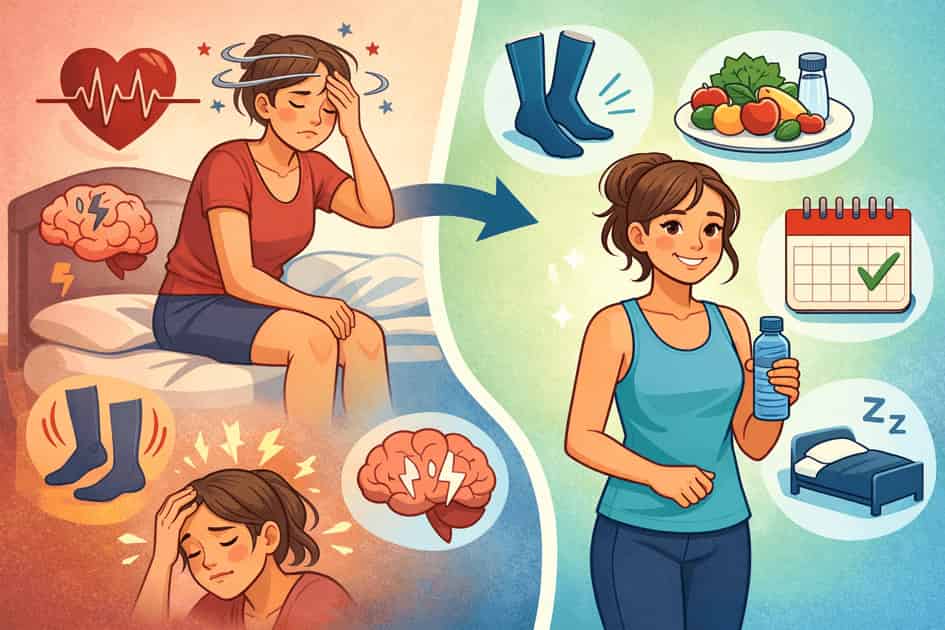

Living with Postural Orthostatic Tachycardia Syndrome (POTS) can feel unpredictable. One day you’re managing well, and the next you’re suddenly overwhelmed by dizziness, fatigue, or even chest pain. These flare-ups are frustrating and often exhausting, especially when they interrupt daily life without warning.
Many people with POTS eventually learn that flare-ups aren’t random. They’re usually triggered by specific physical or environmental factors that push the body’s already sensitive autonomic nervous system beyond its limits. Understanding these triggers—and knowing how to respond—can make a significant difference in how you cope on difficult days.
In this guide, we’ll break down why POTS symptoms flare up, what those difficult days might look like, and practical strategies that can help you regain a sense of control when symptoms intensify.
Understanding POTS and Why Symptoms Can Intensify
POTS affects the autonomic nervous system, the system responsible for regulating heart rate, blood pressure, digestion, and other involuntary processes. When someone with POTS stands up, their heart rate rises dramatically, often by 30 beats per minute or more. This happens because the body struggles to regulate circulation effectively.
While the condition itself can cause daily challenges, POTS symptoms tend to fluctuate. On certain days, the nervous system becomes even more reactive. That’s when flare-ups happen.
During these episodes, individuals may experience:
- Rapid heart rate
- Lightheadedness or dizziness
- Fatigue or brain fog
- Nausea
- Shortness of breath
- Chest pain
- Temperature sensitivity
These symptoms can vary in severity, but when they intensify together, it can make even simple tasks—like standing in the kitchen or walking across a room—feel overwhelming.
Common Triggers Behind POTS Flare-Ups
People with POTS often notice patterns in their flare-ups. Certain triggers can worsen circulation issues or increase nervous system stress.
1. Dehydration and Low Blood Volume
One of the most common reasons POTS symptoms worsen is dehydration. Blood volume plays a major role in maintaining stable circulation. When the body lacks enough fluid, symptoms like dizziness, fatigue, and chest pain can appear more quickly.
Even mild dehydration can amplify symptoms because the body already struggles to move blood efficiently from the lower body back to the heart and brain.
2. Heat and Humidity
Hot weather is a well-known trigger for people with POTS. Heat causes blood vessels to expand, which can lower blood pressure and worsen circulation issues.
As a result, standing becomes harder and symptoms such as dizziness, fatigue, and chest pain may intensify. Many patients notice their POTS symptoms become significantly worse during summer months or in hot indoor environments.
3. Illness or Infection
Any illness—from a mild cold to a viral infection—can temporarily aggravate the nervous system. When the body is fighting infection, energy reserves drop and inflammation increases.
This can make the autonomic system more unstable, leading to stronger POTS symptoms such as fatigue, heart palpitations, and dizziness.
4. Hormonal Changes
Hormonal shifts can also influence the severity of POTS. Many patients report flare-ups during menstrual cycles, pregnancy, or periods of hormonal imbalance.
Hormones affect circulation, blood pressure, and fluid balance—all factors that play a role in POTS.
5. Stress and Lack of Sleep
Mental stress and poor sleep can significantly impact the autonomic nervous system. When the body is already overwhelmed, the threshold for triggering POTS symptoms becomes lower.
Sleep deprivation, in particular, can worsen fatigue, brain fog, and heart rate instability.
Recognizing a Flare-Up Early
One of the most helpful skills for people living with POTS is learning to recognize early warning signs. Catching symptoms early can help you intervene before they escalate.
Early signs may include:
- Sudden fatigue
- Increased heart rate when standing
- Mild dizziness
- Pressure or tightness in the chest
- Brain fog or trouble concentrating
These signals often appear before a full flare-up. Taking action early—such as hydrating or resting—can sometimes prevent symptoms from worsening.
Managing POTS Symptoms on Tough Days
Flare-ups can be discouraging, but having a plan makes them easier to handle. Many individuals find that a combination of lifestyle adjustments and supportive therapies can reduce the severity of POTS symptoms.
Prioritize Hydration
Hydration is one of the most effective ways to support circulation. Drinking fluids throughout the day helps maintain blood volume and stabilize blood pressure.
Electrolyte-rich drinks can also help improve fluid retention, which may reduce dizziness and fatigue during flare-ups.
Increase Salt Intake (When Recommended)
For some POTS patients, increasing sodium intake can help retain fluids and improve circulation. This strategy should always be discussed with a healthcare provider first, especially for individuals who also manage high blood pressure.
Balancing sodium levels carefully is important because excessive intake may worsen cardiovascular concerns for certain individuals.
Use Compression Garments
Compression stockings or abdominal binders can help improve blood flow by preventing blood from pooling in the lower body.
Many people report noticeable relief from POTS symptoms when using compression garments during long periods of standing or activity.
Pace Your Activity
Overexertion is a common trigger for flare-ups. On difficult days, pacing your activity can help conserve energy and prevent symptom escalation.
Instead of pushing through fatigue, consider:
- Breaking tasks into smaller steps
- Taking regular rest breaks
- Sitting whenever possible
Learning to balance activity and rest is one of the most important long-term strategies for managing POTS.
When Chest Pain Occurs with POTS
Experiencing chest pain can be alarming, especially during a flare-up. In POTS, chest discomfort often results from rapid heart rate, changes in circulation, or muscle tension caused by the body’s stress response.
However, chest pain should never be ignored. If the pain is severe, persistent, or accompanied by symptoms such as shortness of breath, medical evaluation is essential.
For many patients, chest discomfort during POTS flare-ups improves once heart rate stabilizes and circulation improves. Hydration, rest, and breathing exercises can sometimes help reduce the intensity of these symptoms.
Supporting Heart Health Naturally
Many individuals managing POTS also explore lifestyle strategies that support cardiovascular health. Approaches often overlap with natural treatments of high blood pressure, since both conditions involve circulation and nervous system regulation.
Some commonly recommended strategies include:
Anti-Inflammatory Nutrition
A diet rich in whole foods may help stabilize energy levels and reduce inflammation. Nutrient-dense foods such as vegetables, lean proteins, healthy fats, and complex carbohydrates can support overall cardiovascular function.
Reducing processed foods and excess sugar may also help prevent energy crashes that worsen POTS symptoms.
Gentle Physical Conditioning
While intense exercise may worsen symptoms initially, gradual conditioning can improve circulation over time.
Many POTS specialists recommend starting with:
- Recumbent biking
- Swimming
- Rowing
- Seated strength exercises
These activities allow the body to build endurance without triggering severe dizziness.
Stress Regulation Techniques
Stress has a direct impact on the autonomic nervous system. Practices such as breathing exercises, meditation, or gentle yoga may help calm the nervous system and reduce flare-up frequency.
These approaches are often included in natural treatments of high blood pressure, and they may provide similar benefits for individuals with POTS.
Building a Personal Flare-Up Plan
One of the most empowering things you can do when living with POTS is create a flare-up plan. This helps you respond quickly when symptoms intensify.
Your plan might include:
- Drinking a full glass of electrolyte solution
- Elevating your legs to improve circulation
- Moving to a cool environment
- Using compression garments
- Resting until heart rate stabilizes
Having these steps prepared can reduce anxiety when POTS symptoms appear unexpectedly.
When to Seek Medical Support
While lifestyle strategies can help manage many flare-ups, medical guidance remains essential. A healthcare provider can help determine whether additional treatments or evaluations are needed.
You should seek medical advice if:
- Chest pain becomes severe or persistent
- Symptoms worsen suddenly or significantly
- Fainting occurs frequently
- New symptoms appear
A personalized treatment plan ensures that both POTS and related cardiovascular concerns—such as high blood pressure—are monitored appropriately.
Living Well with POTS
POTS can be challenging, particularly during unpredictable flare-ups. But many people find that once they understand their triggers and develop effective coping strategies, the condition becomes more manageable.
Tracking patterns, staying hydrated, pacing activity, and supporting overall cardiovascular health can make a meaningful difference in how often POTS symptoms interfere with daily life.
Most importantly, remember that flare-ups do not mean you are failing at managing your condition. They are a natural part of living with a complex autonomic disorder. With the right tools and support, even the toughest days can become easier to navigate.
If you or someone you love is living with POTS, learning how to respond to flare-ups is one of the most valuable steps toward improving daily quality of life. By recognizing triggers, addressing symptoms early, and exploring supportive strategies—including approaches used in natural treatments of high blood pressure—you can build a plan that helps your body recover more quickly and comfortably.