We have moved to
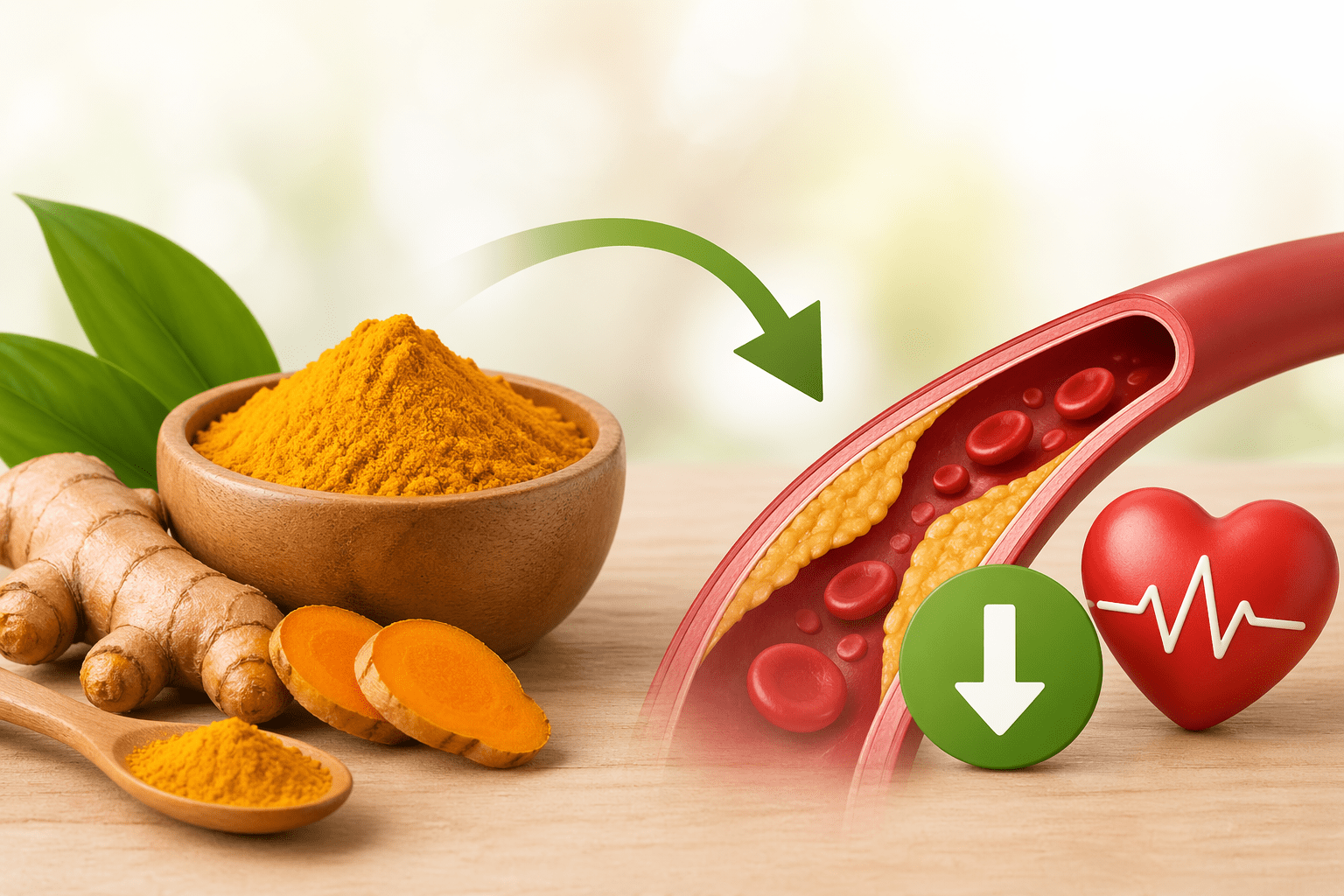

Turmeric has long been a staple in traditional kitchens and healing systems, especially in India. Beyond its vibrant colour and flavour, turmeric is widely known for its medicinal properties. The key compound responsible for these benefits is curcumin, a powerful natural antioxidant and anti-inflammatory agent. But one question many people ask today is: Can curcumin in turmeric lower cholesterol levels naturally?
In this comprehensive guide, we’ll explore the science behind curcumin, its effects on cholesterol, and how you can use it safely as part of a heart-healthy lifestyle.
What Is Curcumin?
Curcumin is the active bioactive compound found in turmeric. It is responsible for most of turmeric’s health benefits, including:
- Anti-inflammatory properties
- Antioxidant effects
- Potential heart health support
Although turmeric contains only about 2–5% curcumin, its impact on the body can be significant when consumed regularly or in concentrated forms.
Understanding Cholesterol: The Basics
Before diving into how curcumin helps, it’s important to understand cholesterol:
- LDL (Low-Density Lipoprotein): Known as “bad cholesterol,” it can build up in arteries and increase the risk of heart disease.
- HDL (High-Density Lipoprotein): Known as “good cholesterol,” it helps remove excess cholesterol from the bloodstream.
- Triglycerides: Another type of fat in the blood that can affect heart health.
Maintaining a healthy balance between these is crucial for preventing cardiovascular diseases.
How Curcumin May Help Lower Cholesterol
Research suggests that curcumin may positively impact cholesterol levels through several mechanisms:
1. Reduces LDL (Bad Cholesterol)
Curcumin may help lower LDL levels by improving how the liver processes cholesterol and reducing its production.
2. Increases HDL (Good Cholesterol)
Some studies indicate that curcumin can slightly increase HDL levels, helping the body remove excess cholesterol more effectively.
3. Prevents Oxidation of LDL
Oxidised LDL is more harmful and contributes to plaque buildup in arteries. Curcumin’s antioxidant properties may help prevent this process.
4. Anti-Inflammatory Effects
Chronic inflammation is linked to heart disease. Curcumin reduces inflammation, which indirectly supports better cholesterol management.
For more information, read this article: https://drcynthia.com/blog/how-turmeric-is-good-for-high-blood-pressure-and-cholesterol/
What Does Science Say?
Several studies have explored curcumin’s role in cholesterol management:
- Some clinical trials have shown moderate reductions in LDL and triglycerides.
- Research also suggests improvements in overall heart health markers.
- However, results can vary depending on dosage, formulation, and individual health conditions.
While curcumin is promising, it should not be considered a replacement for prescribed medications without medical advice.
How to Use Turmeric for Cholesterol
If you want to include turmeric in your daily routine, here are some simple and effective ways:
1. Turmeric Milk (Golden Milk)
- Mix turmeric powder with warm milk
- Add a pinch of black pepper (enhances curcumin absorption)
2. Add to Cooking
- Use turmeric in curries, vegetables, and soups
- Combine with healthy fats like olive oil for better absorption
3. Turmeric Tea
- Boil turmeric with water, ginger, and lemon
- Drink once daily
4. Curcumin Supplements
- Available in capsule form with a higher concentration
- Often combined with piperine (from black pepper) for better absorption
Note: Always consult a doctor before starting supplements.
Recommended Dosage
There is no one-size-fits-all dosage, but general guidelines suggest:
- Turmeric powder: ½ to 1 teaspoon daily
- Curcumin supplements: 500–1000 mg per day (as advised by a healthcare professional)
Excess intake may cause side effects, so moderation is key.
Are There Any Side Effects?
Turmeric and curcumin are generally safe when used in normal amounts, but excessive intake may lead to:
- Stomach upset
- Acid reflux
- Interaction with medications (especially blood thinners)
Pregnant women and people with medical conditions should consult a doctor before use.
Other Natural Ways to Lower Cholesterol
While curcumin can help, it works best as part of a broader lifestyle approach:
1. Eat a Heart-Healthy Diet
- Include fruits, vegetables, and whole grains
- Reduce saturated fats and processed foods
2. Exercise Regularly
- Aim for at least 30 minutes of physical activity daily
3. Maintain a Healthy Weight
- Even a small weight loss can improve cholesterol levels
4. Avoid Smoking and Limit Alcohol
- Both can negatively impact heart health
Final Thoughts
Curcumin in turmeric shows promising potential in helping to lower cholesterol levels naturally, thanks to its antioxidant and anti-inflammatory properties. It may help reduce LDL, improve HDL, and support overall heart health.
However, it’s important to remember that turmeric is not a miracle cure. It works best when combined with a balanced diet, regular exercise, and proper medical care.
If you’re considering using turmeric or curcumin supplements for cholesterol management, consult your doctor to ensure it’s safe and suitable for your individual health needs.
Visit our website: https://drcynthia.com/
Quick Summary:
- Curcumin may help reduce bad cholesterol and inflammation
- Works best as part of a healthy lifestyle
- Safe in moderate amounts, but consult a doctor for supplements