We have moved to
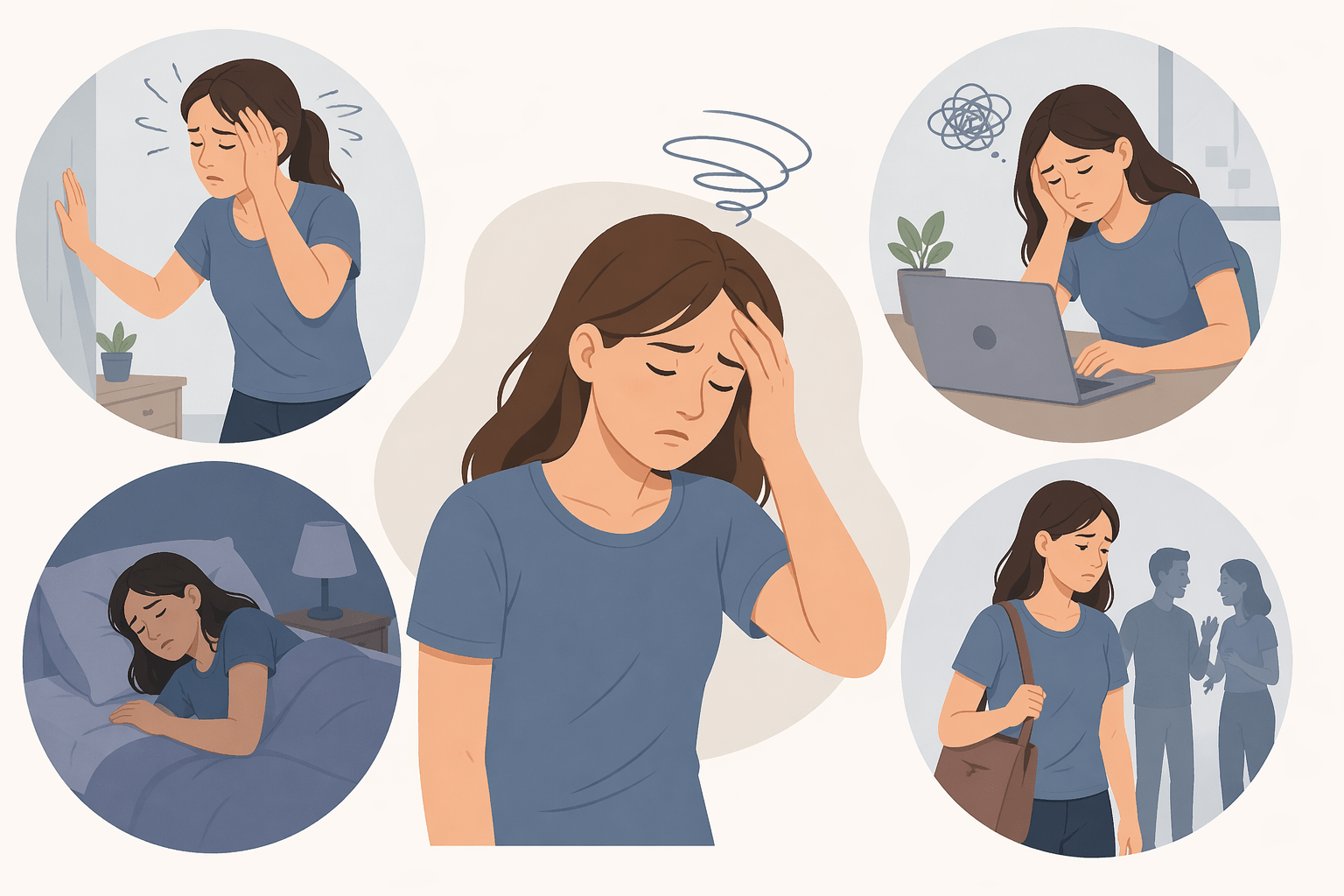

Living with Postural Orthostatic Tachycardia Syndrome can be challenging, especially when symptoms interfere with everyday activities. Many people wonder: Can POTS syndrome affect daily life?
The short answer is yes—but with the right understanding and management, people with POTS can still lead fulfilling lives.
In this guide, we’ll explore how POTS impacts daily routines, common challenges, and practical ways to manage symptoms effectively.
What Is POTS Syndrome?
Postural Orthostatic Tachycardia Syndrome (POTS) is a condition that affects the autonomic nervous system, which controls involuntary functions like heart rate and blood pressure.
When a person with POTS stands up:
- Their heart rate increases rapidly
- Blood flow to the brain may decrease
- Symptoms like dizziness and fatigue occur
This can make simple daily tasks feel overwhelming.
How Does POTS Affect Daily Life?
POTS can impact many areas of life, from physical activity to mental well-being.
1. Difficulty Standing for Long Periods
One of the most common challenges is standing.
People may experience:
- Dizziness
- Lightheadedness
- Feeling faint
Tasks like cooking, showering, or standing in a queue can become difficult.
2. Fatigue and Low Energy
Chronic fatigue is a major symptom.
Even small activities can feel exhausting, such as:
- Walking short distances
- Doing household chores
- Taking care of daily responsibilities
This can significantly affect productivity.
3. Rapid Heart Rate (Tachycardia)
A fast heartbeat can occur even with minimal movement.
This may cause:
- Palpitations
- Chest discomfort
- Anxiety-like symptoms
It can make people feel constantly unwell or uneasy.
4. Brain Fog and Concentration Issues
Many individuals report brain fog, which includes:
- Difficulty focusing
- Memory problems
- Slow thinking
This can affect work, studies, and decision-making.
5. Exercise Intolerance
Physical activity can be challenging.
People with POTS may:
- Feel dizzy during exercise
- Experience rapid fatigue
- Avoid workouts altogether
However, gentle exercise is still important for recovery.
6. Impact on Mental Health
Living with a chronic condition can affect emotional well-being.
Common issues include:
- Stress
- Anxiety
- Frustration
Although POTS is a physical condition, its symptoms can feel similar to anxiety, which can be confusing.
Read our latest blog: https://drcynthia.com/blog/pots-syndrome-everything-you-need-to-know-for-better-management/
Can POTS Affect Work or School?
Yes, POTS can impact both professional and academic life.
Challenges include:
- Difficulty sitting or standing for long hours
- Reduced concentration
- Frequent breaks needed
- Absenteeism due to symptoms
However, with proper support and adjustments, many people continue to work or study successfully.
How POTS Affects Daily Activities
🏠 At Home
- Household chores may feel exhausting
- Standing tasks (like cooking) become difficult
🚶 Outside
- Walking long distances may trigger symptoms
- Heat exposure can worsen dizziness
🚗 Travel
- Long journeys may cause discomfort
- Standing in crowded places can be challenging
Tips to Manage POTS in Daily Life
Although POTS affects daily life, there are many ways to manage symptoms.
1. Stay Hydrated
Drink plenty of fluids to improve blood volume and reduce dizziness.
2. Increase Salt Intake
Salt helps retain fluids and supports circulation (only with doctor guidance).
3. Avoid Sudden Movements
Move slowly from lying to sitting to standing.
4. Wear Compression Stockings
These prevent blood from pooling in the legs.
5. Follow a Routine
Consistent sleep, meals, and activity levels help stabilise symptoms.
6. Exercise Gradually
Start with low-impact exercises like:
- Walking
- Cycling
- Stretching
7. Manage Stress
Relaxation techniques such as meditation or deep breathing can help.
Can Lifestyle Changes Improve POTS?
Yes, lifestyle changes play a crucial role in managing POTS.
Simple habits like:
- Staying hydrated
- Eating balanced meals
- Getting enough sleep
can significantly reduce symptoms over time.
Is POTS a Lifelong Condition?
POTS can vary from person to person.
- Some people improve over time
- Others manage it long-term with treatment
Early diagnosis and proper care can improve quality of life.
When Should You Seek Medical Help?
Consult a doctor if you experience:
- Frequent dizziness or fainting
- Rapid heart rate when standing
- Severe fatigue
- Symptoms affecting daily life
A proper diagnosis is essential for effective management.
Book an appointment with Dr Cynthia Thaik
Final Thoughts
So, can POTS syndrome affect daily life?
Yes, it can—but it doesn’t have to control your life.
With the right lifestyle changes, medical support, and awareness, many people with POTS syndrome learn to manage their symptoms and maintain a good quality of life.
Understanding your body and making small adjustments can make a big difference.
FAQs
1- Can people with POTS live a normal life?
Yes, with proper management, many people lead active and fulfilling lives.
2- Does POTS get worse over time?
It varies—some improve, while others manage long-term symptoms.
3- Can exercise help POTS?
Yes, gradual and low-impact exercise can improve symptoms.
4- Is POTS linked to anxiety?
Symptoms may feel similar, but POTS is a physical condition.
5- How do I reduce dizziness in POTS?
Stay hydrated, increase salt intake, and avoid sudden movements.