We have moved to
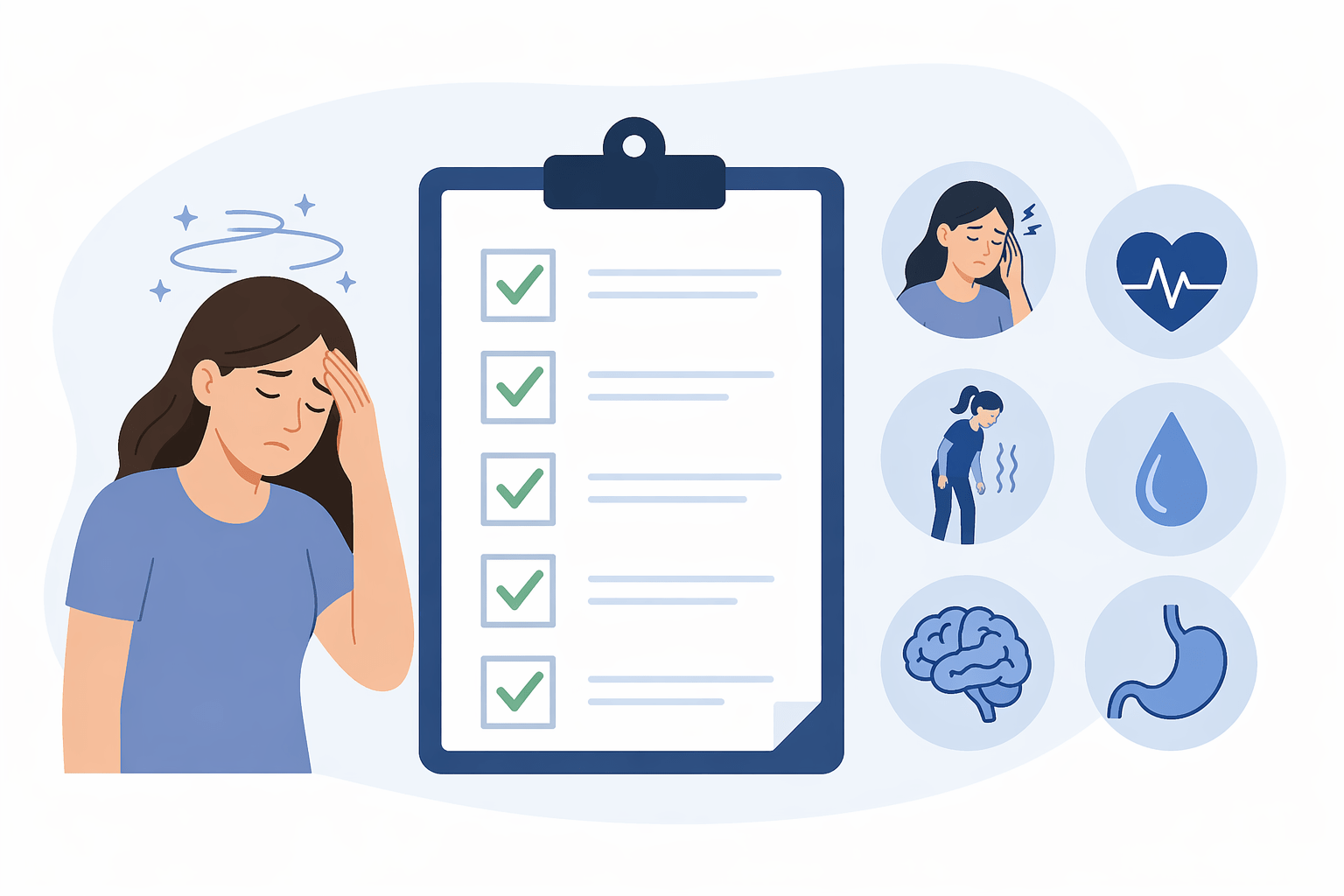

If you often feel dizzy when standing up, experience unexplained fatigue, or notice your heart racing without a clear reason, you might be dealing with more than just everyday stress. These symptoms could be linked to Postural Orthostatic Tachycardia Syndrome (POTS)—a condition that affects blood flow and heart rate regulation.
This guide provides a complete symptoms checklist, helping you understand whether your experiences align with POTS and what steps to take next.
What Is POTS?
POTS is a disorder of the autonomic nervous system, which controls involuntary functions like heart rate, blood pressure, and digestion. When someone with POTS stands up, their heart rate increases abnormally—often by 30 beats per minute or more—without a significant drop in blood pressure.
This can lead to a range of symptoms that vary in intensity and frequency.
Why Recognising POTS Symptoms Matters
POTS is often underdiagnosed because its symptoms overlap with other conditions like anxiety, dehydration, or chronic fatigue. Many people live with symptoms for years before receiving a diagnosis.
Using a structured checklist can help you identify patterns and decide whether to consult a healthcare professional.
POTS Symptoms Checklist
Here’s a comprehensive checklist to help you evaluate your symptoms. If you experience several of these regularly—especially when moving from sitting to standing—it may be worth discussing with a doctor.
1. Heart-Related Symptoms
- Rapid heartbeat (especially when standing)
- Palpitations or a fluttering sensation
- Chest discomfort or mild pain
- Feeling like your heart is pounding without exertion
These are hallmark signs of POTS and often occur within minutes of standing.
2. Dizziness and Lightheadedness
- Feeling faint or dizzy when standing up
- Near-fainting episodes (pre-syncope)
- Actual fainting in some cases
This happens because blood flow to the brain is temporarily reduced when standing.
3. Fatigue and Weakness
- Persistent tiredness, even after rest
- Difficulty performing daily activities
- Sudden energy crashes
Fatigue in POTS is often described as overwhelming and not relieved by sleep.
4. Brain Fog and Cognitive Issues
- Trouble concentrating
- Memory lapses
- Difficulty processing information
Many people with POTS report “brain fog,” which can affect work, studies, and daily tasks.
5. Gastrointestinal Symptoms
- Nausea
- Bloating
- Abdominal discomfort
- Loss of appetite
These symptoms occur because the autonomic nervous system also regulates digestion.
6. Temperature Regulation Issues
- Feeling unusually hot or cold
- Excessive sweating or lack of sweating
- Sensitivity to heat
Heat intolerance is particularly common in POTS patients.
7. Headaches and Migraines
- Frequent headaches
- Migraine episodes
- Pressure-like sensation in the head
These may worsen when standing or after prolonged activity.
8. Sleep Disturbances
- Difficulty falling asleep
- Unrefreshing sleep
- Frequent waking during the night
Even after a full night’s sleep, you may still feel exhausted.
- Exercise Intolerance
- Difficulty exercising without symptoms
- Rapid fatigue during physical activity
- Feeling worse after workouts
This can make it challenging to maintain a regular fitness routine.
10. Anxiety-Like Symptoms
- Shakiness
- Shortness of breath
- Feeling “on edge”
These symptoms are often mistaken for anxiety but may actually be caused by autonomic dysfunction.
Read our latest blog: https://drcynthia.com/blog/can-pots-syndrome-affect-daily-life/
Quick Self-Assessment
Ask yourself:
- Do my symptoms worsen when I stand up?
- Do I feel better when lying down?
- Do I experience multiple symptoms from this checklist regularly?
If you answered “yes” to these, it could indicate a pattern consistent with POTS.
What Causes POTS?
The exact cause of POTS isn’t always clear, but several factors may contribute:
- Viral infections
- Hormonal changes (common in young women)
- Autoimmune conditions
- Deconditioning after illness or inactivity
In some cases, POTS develops after a significant health event.
When Should You See a Doctor?
You should consider medical advice if:
- Symptoms interfere with daily life
- You frequently feel dizzy or faint
- Your heart rate increases dramatically upon standing
A doctor may perform a tilt table test, blood tests, and heart monitoring to confirm the diagnosis.
Book an appointment with Dr Cynthia Thaik
Managing POTS Symptoms
While there’s no one-size-fits-all cure, many people manage POTS effectively with lifestyle changes:
1. Increase Fluid Intake
Drinking more water helps maintain blood volume.
2. Add More Salt (if advised)
Salt can help retain fluids and improve circulation.
3. Wear Compression Garments
These help prevent blood pooling in the legs.
4. Gradual Exercise
Start with low-impact activities like recumbent cycling or swimming.
5. Avoid Triggers
Heat, dehydration, and prolonged standing can worsen symptoms.
Living With POTS
Living with POTS can be challenging, but early recognition and proper management can significantly improve quality of life. Many people learn to identify their triggers and adapt their routines accordingly.
Support from healthcare providers, family, and online communities can also make a big difference.
Final Thoughts
POTS is a complex condition that often goes unnoticed due to its wide range of symptoms. If you recognise multiple signs from this checklist—especially those related to heart rate and dizziness—it’s worth exploring further.
Tracking your symptoms and seeking professional advice can be the first step toward better health and control over your daily life.