We have moved to
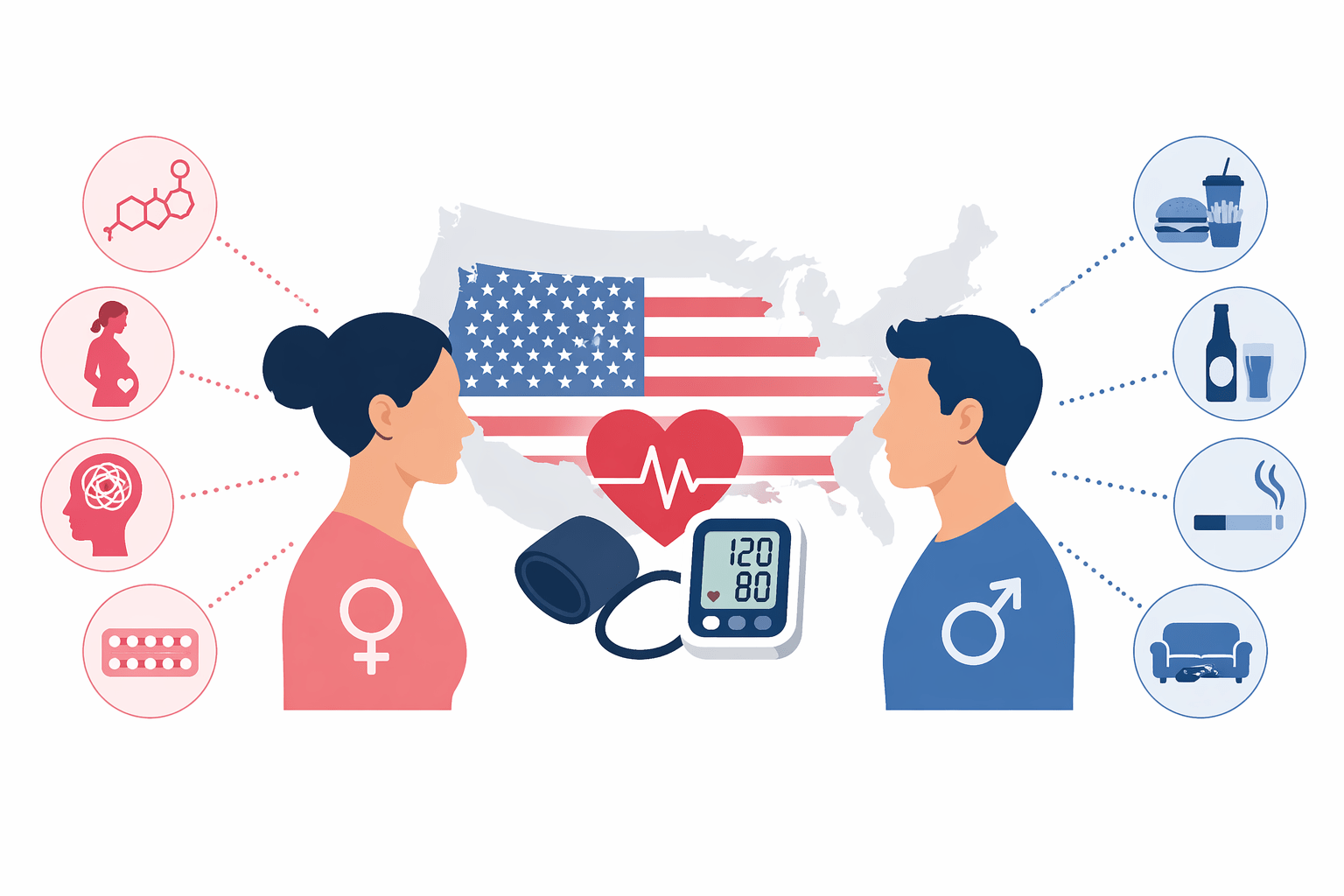

High blood pressure, medically known as Hypertension, is one of the leading risk factors for heart disease, stroke, and kidney failure worldwide. While it affects both men and women, emerging research shows that the causes, progression, and risk factors differ significantly between genders. Understanding these differences is essential for early prevention, personalised treatment, and better long-term health outcomes.
In this article, we explore how biological, hormonal, and lifestyle factors influence high blood pressure differently in men and women.
Understanding High Blood Pressure
Blood pressure measures the force of blood pushing against artery walls. When this pressure remains consistently high, it can damage blood vessels and vital organs.
The condition is closely linked to Cardiovascular Disease and often develops silently, without noticeable symptoms. That’s why it’s commonly referred to as a “silent killer.”
Key Causes of High Blood Pressure
Before diving into gender differences, it’s important to understand the general causes:
- Poor diet (high salt intake)
- Lack of physical activity
- Obesity
- Stress
- Smoking and alcohol use
- Genetics and family history
However, these factors do not affect men and women in the same way.
Biological Differences Between Men and Women
1. Hormonal Influence
Hormones play a major role in regulating blood pressure.
- In women, Estrogen helps keep blood vessels flexible and promotes healthy blood flow.
- In men, Testosterone has a more complex role and may contribute to higher blood pressure levels over time.
Before menopause, women are generally less likely to develop hypertension compared to men. However, after menopause, the protective effects of estrogen decrease, increasing the risk significantly.
2. Age-Related Differences
Men are more likely to develop high blood pressure at a younger age (30–50 years). Women, on the other hand, tend to develop hypertension later in life, particularly after menopause.
This delayed onset in women often leads to underdiagnosis or late detection, increasing complications.
3. Differences in Blood Vessel Structure
Research suggests that women tend to have smaller arteries than men. This structural difference can affect how blood flows and how pressure builds up in the vessels.
As a result:
- Women may experience different symptoms or complications
- Standard diagnostic thresholds may not always accurately reflect risk for women
Lifestyle Factors: How They Differ by Gender
1. Stress and Mental Health
Stress is a major contributor to hypertension, but it affects men and women differently.
- Men often exhibit external stress responses, such as aggression or substance use.
- Women are more prone to internalising stress, which can lead to anxiety or depression.
Chronic stress increases cortisol levels, which raises blood pressure over time.
2. Diet and Nutrition Patterns
Dietary habits vary significantly:
- Men are more likely to consume high-sodium and processed foods.
- Women may have better dietary patterns but are more prone to emotional eating, especially under stress.
Both patterns can contribute to hypertension in different ways.
3. Physical Activity
Men generally engage in more vigorous physical activity, while women may have lower activity levels due to lifestyle constraints.
Lack of exercise contributes to:
- Weight gain
- Poor circulation
- Increased blood pressure
4. Alcohol and Smoking
- Men are statistically more likely to smoke and consume alcohol in higher quantities.
- Women, however, may experience stronger physiological effects from smaller amounts.
This means even moderate drinking can increase blood pressure risks in women more quickly.
Pregnancy-Related Causes in Women
One of the most important gender-specific causes of hypertension is pregnancy-related conditions.
1. Preeclampsia
Preeclampsia is a serious condition characterised by high blood pressure during pregnancy.
It can lead to:
- Organ damage
- Premature birth
- Increased long-term risk of hypertension
Women who experience preeclampsia are more likely to develop chronic hypertension later in life.
2. Gestational Hypertension
This condition develops during pregnancy and usually resolves after delivery, but it increases the risk of future cardiovascular issues.
Menopause and High Blood Pressure
After menopause, women experience a sharp increase in hypertension risk due to:
- Decreased estrogen levels
- Weight gain
- Increased arterial stiffness
Postmenopausal women often catch up with or even surpass men in hypertension prevalence.
Genetic and Molecular Differences
Emerging studies suggest that gene expression related to blood pressure regulation differs between men and women.
- Certain genes may be more active in men, increasing the early risk
- Others may become active in women after hormonal changes
This area is still under research, but highlights the need for gender-specific treatments.
Differences in Symptoms and Diagnosis
High blood pressure often has no symptoms, but when it does, they can differ:
- Men may experience headaches and chest pain
- Women may report fatigue, dizziness, or shortness of breath
Because symptoms in women are often less typical, diagnosis may be delayed.
Treatment and Management Differences
1. Medication Response
Men and women may respond differently to blood pressure medications due to:
- Hormonal differences
- Body composition
- Metabolism
This makes personalised treatment crucial.
2. Lifestyle Modifications
While lifestyle changes are recommended for both genders, the approach may differ:
- Women may benefit more from stress management techniques like yoga or meditation
- Men may need stronger interventions for smoking and alcohol reduction
Prevention Strategies for Both Genders
Regardless of gender, preventing hypertension involves:
- Maintaining a balanced, low-sodium diet
- Regular physical activity
- Managing stress effectively
- Monitoring blood pressure regularly
- Avoiding smoking and limiting alcohol
Early screening is especially important for individuals with a family history of hypertension.
Why Gender-Specific Awareness Matters
Recognising gender differences in high blood pressure causes allows:
- Earlier diagnosis
- More effective treatment plans
- Reduced risk of complications
Healthcare systems are increasingly focusing on personalised medicine, taking gender into account for better outcomes.
Conclusion
High blood pressure is not a one-size-fits-all condition. The causes and risk factors differ significantly between men and women due to hormonal, biological, and lifestyle influences.
From the protective role of estrogen in younger women to the increased risks after menopause, and from lifestyle habits in men to pregnancy-related conditions in women, understanding these differences is crucial.
By recognising these unique factors, individuals and healthcare providers can take more targeted steps toward prevention, early detection, and effective management of Hypertension.