We have moved to
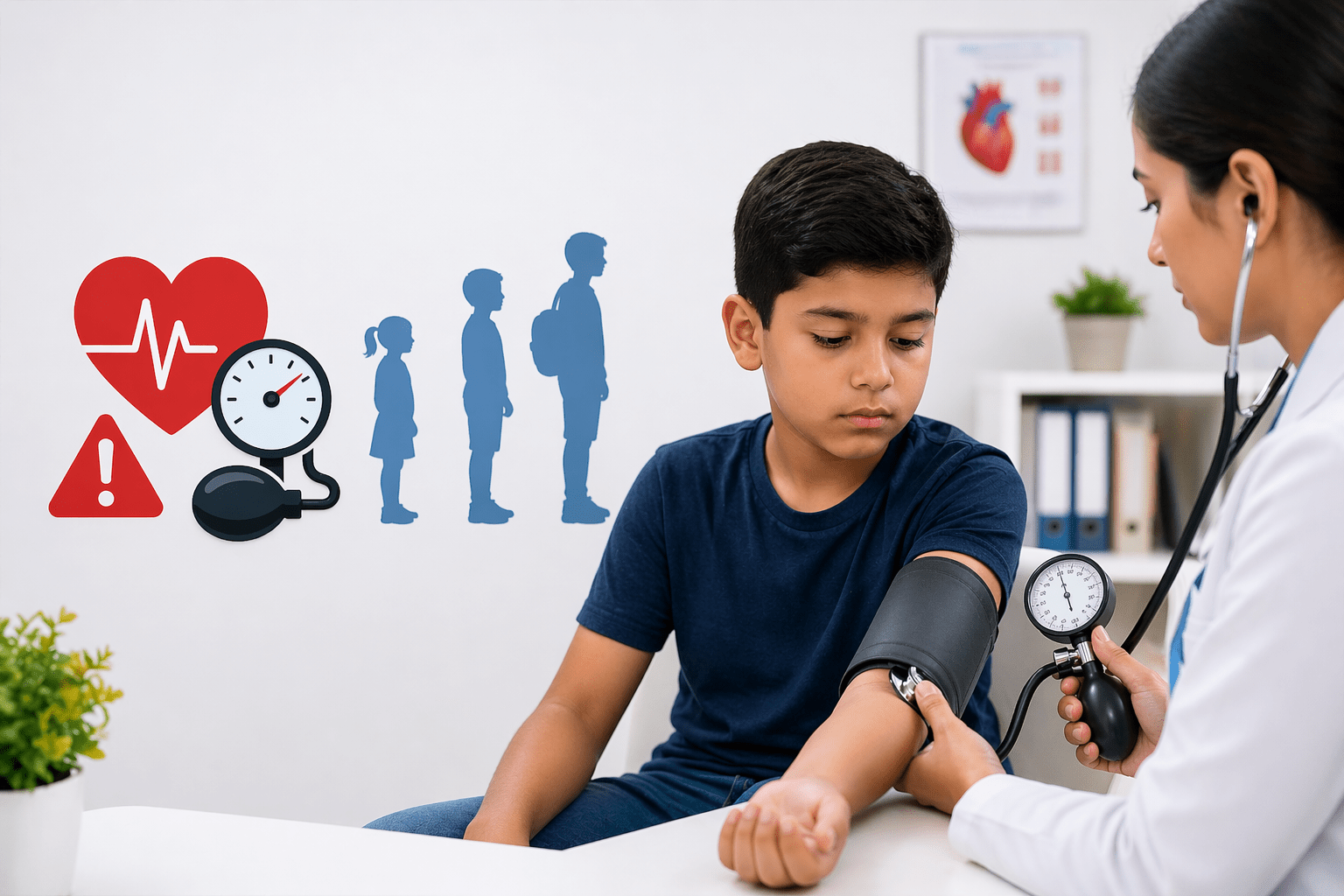

Hypertension, commonly known as high blood pressure, is often considered an adult health issue. However, in recent years, it has become increasingly evident that children and teenagers are also at risk. The rise in pediatric hypertension is a growing public health concern, driven by lifestyle changes, poor dietary habits, and increasing obesity rates.
Understanding the causes, symptoms, and prevention strategies for hypertension in young individuals is crucial for parents, caregivers, and healthcare providers.
What Is Hypertension in Children and Teens?
Hypertension refers to consistently elevated blood pressure levels in the arteries. In children, blood pressure readings are evaluated based on age, gender, and height percentiles rather than fixed numbers as in adults.
A child is diagnosed with hypertension when their blood pressure remains above the 95th percentile for their age group across multiple readings.
Why Is Pediatric Hypertension Increasing?
The rise in hypertension among children and teenagers is linked to several modern lifestyle factors:
1. Poor Dietary Habits
Children today consume more processed foods, sugary drinks, and high-sodium snacks. Excess salt intake can significantly increase blood pressure levels.
2. Lack of Physical Activity
With increased screen time—mobile phones, gaming, and television—children are becoming less active. A sedentary lifestyle contributes to weight gain and poor cardiovascular health.
3. Childhood Obesity
Obesity is one of the strongest risk factors for hypertension. Overweight children are more likely to develop high blood pressure at an early age.
4. Stress and Mental Health
Academic pressure, social media influence, and emotional stress can also contribute to elevated blood pressure levels in teens.
5. Family History
Genetics play a significant role. Children with a family history of hypertension are at higher risk.
Symptoms of Hypertension in Children
One of the biggest challenges with pediatric hypertension is that it often shows no obvious symptoms. However, in some cases, children may experience:
- Frequent headaches
- Fatigue
- Dizziness
- Nosebleeds
- Blurred vision
Because symptoms are not always present, regular health check-ups are essential for early detection.
Health Risks of Untreated Hypertension
If left untreated, hypertension in children can lead to serious long-term health problems:
1. Heart Disease
High blood pressure can strain the heart, increasing the risk of cardiovascular diseases later in life.
2. Kidney Damage
The kidneys can be affected due to prolonged high pressure in the blood vessels.
3. Vision Problems
Hypertension may damage blood vessels in the eyes, leading to vision issues.
4. Increased Risk in Adulthood
Children with hypertension are more likely to become hypertensive adults, increasing lifelong health risks.
How Is Hypertension Diagnosed?
Diagnosis involves multiple blood pressure readings over time. Doctors may also recommend:
- Blood tests
- Urine tests
- Echocardiogram
- Kidney function tests
These help identify underlying causes and assess the impact on the body.
Prevention Strategies for Parents
Preventing hypertension in children starts with healthy lifestyle choices at home.
1. Encourage a Balanced Diet
Provide meals rich in:
- Fruits and vegetables
- Whole grains
- Lean proteins
Limit processed foods, salt, and sugary beverages.
2. Promote Physical Activity
Children should engage in at least 60 minutes of physical activity daily. Activities can include:
- Outdoor play
- Cycling
- Sports
- Dancing
3. Maintain a Healthy Weight
Monitoring your child’s weight and ensuring a balanced diet can reduce the risk of hypertension.
4. Reduce Screen Time
Limit screen time to encourage more active habits and better sleep patterns.
5. Manage Stress
Support your child emotionally. Encourage open communication and relaxation techniques like:
- Deep breathing
- Meditation
- Hobbies
Treatment Options
If a child is diagnosed with hypertension, treatment depends on severity and underlying causes.
Lifestyle Modifications
In most cases, doctors recommend:
- Healthy diet
- Increased physical activity
- Weight management
Medications
In severe cases, medication may be prescribed to control blood pressure levels.
Regular Monitoring
Routine check-ups are essential to track progress and prevent complications.
Role of Schools and Communities
Schools and communities also play a vital role in preventing hypertension:
- Promoting physical education programs
- Providing healthy meal options
- Raising awareness about healthy lifestyles
Collaborative efforts can significantly reduce the risk among children.
When Should Parents Be Concerned?
Parents should consult a doctor if:
- Their child is overweight or obese
- There is a family history of hypertension
- The child shows symptoms like frequent headaches or fatigue
Early detection can make a significant difference in managing the condition.
The Future of Pediatric Health
The increasing prevalence of hypertension among children highlights the need for proactive measures. With early intervention, education, and lifestyle changes, it is possible to reverse this trend and ensure healthier futures for the younger generation.
Conclusion
Child and teen hypertension is no longer a rare condition—it is an emerging concern that demands attention. With rising lifestyle-related risk factors, parents and caregivers must stay informed and proactive.
By encouraging healthy habits, ensuring regular health check-ups, and addressing risk factors early, we can protect children from long-term health complications and help them lead healthier lives.