We have moved to
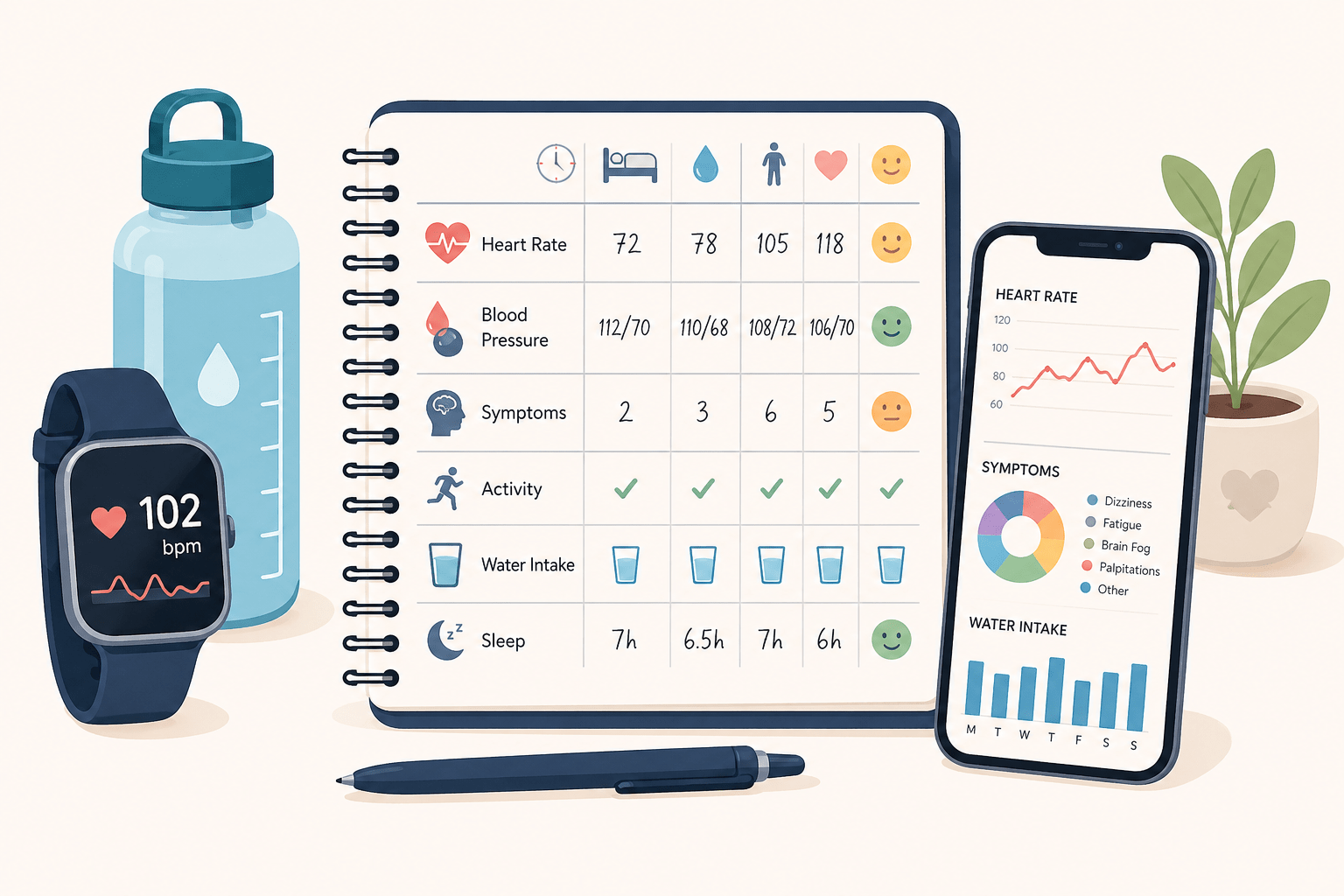

Postural Orthostatic Tachycardia Syndrome (POTS) can feel unpredictable, with symptoms that fluctuate from day to day—or even hour to hour. From dizziness and fatigue to rapid heart rate and brain fog, managing POTS requires more than just treatment—it requires awareness. One of the most powerful tools you can use is consistent symptom tracking.
Tracking your POTS symptoms effectively helps you understand patterns, identify triggers, and communicate clearly with your healthcare provider. Over time, it empowers you to take control of your condition instead of feeling controlled by it.
Why Symptom Tracking Matters in POTS
POTS is a complex condition that affects the autonomic nervous system. Because symptoms can vary widely between individuals, there’s no one-size-fits-all management plan. Tracking gives you personalised insights.
When you monitor your symptoms regularly, you can:
- Identify triggers like dehydration, stress, or certain foods
- Measure how lifestyle changes or medications are working
- Recognise early warning signs before symptoms worsen
- Provide accurate information to doctors for better treatment decisions
Without tracking, it’s easy to rely on memory, which is often unreliable, especially when dealing with fatigue or brain fog.
What Symptoms Should You Track?
To get a complete picture, it’s important to track both physical and environmental factors. Here are the key symptoms and variables to monitor:
1. Heart Rate Changes
POTS is defined by a significant increase in heart rate upon standing. Track:
- Resting heart rate (lying down)
- Sitting heart rate
- Standing heart rate (after 1, 3, and 5 minutes)
2. Blood Pressure
Some people with POTS experience fluctuations in blood pressure. Record:
- Blood pressure while lying, sitting, and standing
- Any sudden drops or spikes
3. Core Symptoms
Keep a daily log of:
- Dizziness or lightheadedness
- Fainting or near-fainting episodes
- Fatigue levels
- Palpitations
- Shortness of breath
- Brain fog or difficulty concentrating
4. Triggers and Activities
Note what you were doing before symptoms appeared:
- Standing for long periods
- Exercise
- Heat exposure
- Stressful situations
5. Diet and Hydration
Food and fluid intake play a major role in POTS management:
- Water intake (aim for adequate hydration)
- Salt consumption
- Meals (especially heavy or high-carb meals that may trigger symptoms)
6. Sleep Patterns
Sleep quality can significantly affect symptoms:
- Hours slept
- Sleep interruptions
- How rested do you feel in the morning
7. Menstrual Cycle (if applicable)
Hormonal changes can influence symptom severity, so tracking your cycle can reveal patterns.
Read our latest blog: https://drcynthia.com/blog/lifestyle-triggers-that-worsen-pots-symptoms-and-how-to-avoid-them/
Tools You Can Use for Tracking
You don’t need anything fancy to start tracking your symptoms, but using the right tools can make it easier and more consistent.
1. Symptom Journal
A simple notebook can be incredibly effective. Create sections for:
- Date and time
- Symptoms
- Activities
- Food and hydration
- Notes
This method is flexible and customizable, though it requires consistency.
2. Mobile Apps
Health tracking apps can simplify the process with reminders and charts. Look for apps that allow you to:
- Log symptoms daily
- Track heart rate and blood pressure
- Generate reports for doctor visits
3. Wearable Devices
Smartwatches and fitness trackers can automatically monitor:
- Heart rate trends
- Activity levels
- Sleep patterns
These devices are especially helpful for identifying subtle changes you might not notice.
4. Spreadsheets
If you like structure, a spreadsheet (like Excel or Google Sheets) lets you:
- Organise data clearly
- Track trends over time
- Create graphs for better visualisation
How to Build a Simple Tracking Routine
The key to effective tracking is consistency—not perfection. Start with a routine that’s easy to maintain.
Morning Check-In
- Record resting heart rate and blood pressure
- Note how you feel upon waking (energy level, dizziness, etc.)
Midday Update
- Log any symptoms experienced
- Record meals and hydration
- Note activities or stress levels
Evening Review
- Summarise symptoms throughout the day
- Track sleep readiness and fatigue levels
You don’t need to track everything all the time. Focus on the most relevant factors for your symptoms and build from there.
Identifying Patterns and Triggers
After a few weeks of consistent tracking, patterns will begin to emerge. You might notice:
- Symptoms worsen after poor sleep
- Heat exposure triggers dizziness
- High-carb meals increase fatigue
- Dehydration leads to palpitations
Recognising these patterns allows you to make proactive changes. For example, if you notice symptoms spike after standing too long, you can incorporate more seated breaks or compression garments into your routine.
Sharing Data with Your Doctor
One of the biggest benefits of tracking is improving communication with your healthcare provider. Instead of vague descriptions, you can provide concrete data.
Bring your logs to appointments and highlight:
- Frequency and severity of symptoms
- Any noticeable triggers
- Changes after starting a new treatment
This helps your doctor adjust your management plan more effectively and reduces guesswork.
Tips for Staying Consistent
Tracking can feel overwhelming at first, especially if you’re already dealing with fatigue. Here’s how to make it sustainable:
- Start small: Track just 2–3 key symptoms initially
- Use reminders: Set alarms or app notifications
- Keep it simple: Don’t overcomplicate your system
- Be flexible: It’s okay to miss a day—just resume the next day
- Review weekly: Look at trends instead of focusing on daily perfection
Common Mistakes to Avoid
While tracking is helpful, there are a few pitfalls to watch out for:
- Tracking too much too soon: This can lead to burnout
- Inconsistent logging: Gaps in data make patterns harder to identify
- Ignoring trends: Tracking is only useful if you review and act on the data
- Self-diagnosing: Always consult your doctor before making major changes
Turning Data Into Action
Tracking is not just about collecting information—it’s about using it to improve your quality of life.
Once you identify triggers and patterns:
- Adjust your daily routine (hydration, meals, rest breaks)
- Modify your environment (avoid heat, manage stress)
- Work with your doctor to refine treatment
Over time, these small adjustments can lead to significant improvements in symptom control.
Final Thoughts
Living with POTS can be challenging, but effective symptom tracking gives you a sense of control and clarity. It transforms uncertainty into insight, helping you understand your body better and respond to its needs more effectively.
You don’t need a perfect system—just a consistent one. Start simple, stay patient, and let your data guide you toward better management and improved well-being.