We have moved to
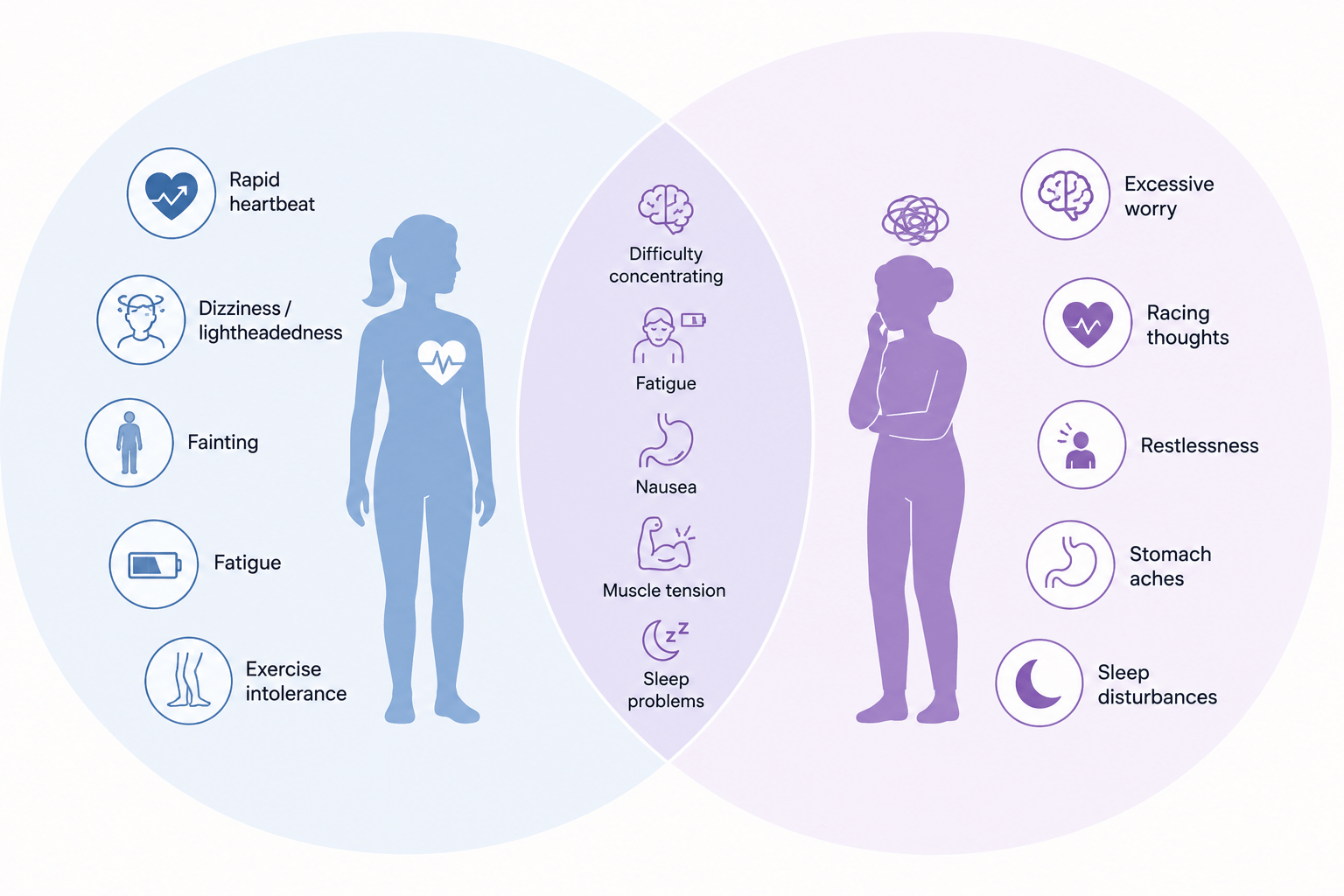

Living with unexplained dizziness, racing heartbeats, fatigue, and sudden feelings of panic can be confusing and overwhelming. For many people diagnosed with Postural Orthostatic Tachycardia Syndrome (POTS), these symptoms are often mistaken for anxiety disorders. While POTS and anxiety can share several similar symptoms, they are not the same condition. However, they may sometimes occur together, making diagnosis and treatment more complex.
Understanding the relationship between POTS and anxiety is important for getting the right medical care and avoiding years of misdiagnosis. In this article, we’ll explore how these conditions overlap, how they differ, and what patients should know about managing both.
What Is POTS?
POTS stands for Postural Orthostatic Tachycardia Syndrome, a disorder that affects the autonomic nervous system. The autonomic nervous system controls automatic body functions such as heart rate, blood pressure, digestion, and temperature regulation.
People with POTS experience an abnormal increase in heart rate when they move from lying down or sitting to standing. This rapid heart rate change can lead to symptoms such as:
- Dizziness or lightheadedness
- Rapid heartbeat or palpitations
- Fatigue
- Brain fog
- Shortness of breath
- Nausea
- Shaking or tremors
- Weakness
- Chest discomfort
- Fainting or near-fainting episodes
POTS is more commonly diagnosed in women, especially between the ages of 15 and 50, although it can affect people of any age.
What Is Anxiety?
Anxiety Disorder refers to a group of mental health conditions involving excessive fear, nervousness, worry, or panic. Anxiety is a natural stress response, but when it becomes persistent and interferes with daily life, it may be diagnosed as an anxiety disorder.
Common symptoms of anxiety include:
- Racing heartbeat
- Sweating
- Shortness of breath
- Restlessness
- Muscle tension
- Dizziness
- Trouble concentrating
- Panic attacks
- Feelings of fear or doom
Because many of these symptoms overlap with POTS, patients are often told their symptoms are “just anxiety,” especially early in the diagnostic process.
Why POTS Is Often Misdiagnosed as Anxiety
One of the biggest challenges for POTS patients is being properly diagnosed. Many symptoms of POTS closely resemble anxiety or panic attacks, particularly the cardiovascular symptoms.
For example, when someone with POTS stands up and suddenly experiences:
- A pounding heartbeat
- Trembling
- Sweating
- Lightheadedness
- Shortness of breath
It can look very similar to a panic attack. As a result, some patients spend years being treated for anxiety before receiving a correct POTS diagnosis.
The confusion happens because both conditions activate the body’s “fight-or-flight” response. However, in POTS, the symptoms are often triggered by physical changes in body position rather than emotional stress.
Read this blog for more information: https://drcynthia.com/blog/pots-during-pregnancy-symptoms-risks-and-management-tips/
Key Differences Between POTS and Anxiety
Although they share similarities, POTS and anxiety are fundamentally different conditions.
Trigger Patterns
POTS symptoms are commonly triggered by:
- Standing up
- Heat exposure
- Dehydration
- Prolonged standing
- Physical exertion
Anxiety symptoms are more often triggered by:
- Stressful situations
- Fear or worry
- Emotional distress
- Social situations
Heart Rate Changes
In POTS, heart rate increases significantly when standing. Doctors often diagnose POTS when the heart rate rises by 30 beats per minute or more within 10 minutes of standing.
Anxiety can increase heart rate, too, but it is usually connected to emotional or psychological stress rather than posture changes.
Can POTS Cause Anxiety?
Yes, living with POTS can contribute to anxiety in several ways.
Chronic Symptoms Create Emotional Stress
Dealing with unpredictable dizziness, fainting, fatigue, and physical limitations can naturally lead to emotional distress. Many patients worry about symptoms occurring in public or interfering with work, school, or relationships.
Physical Symptoms Feel Like Panic
The body sensations associated with POTS can mimic panic attacks, making patients feel anxious even when the underlying cause is physical.
Delayed Diagnosis Increases Frustration
Many people with POTS experience years of unanswered questions before diagnosis. Being dismissed or misunderstood by healthcare providers can increase stress and anxiety over time.
Can Someone Have Both POTS and Anxiety?
Absolutely. POTS and anxiety are separate conditions, but they can coexist.
Research suggests that while anxiety does not cause POTS, people with chronic illnesses are more likely to experience mental health challenges. Managing a long-term condition can affect emotional well-being, sleep, social life, and overall quality of life.
Some patients may develop:
- Generalised anxiety disorder
- Health anxiety
- Depression
- Panic disorder
Treating anxiety alongside POTS can improve overall symptom management and daily functioning.
How Doctors Differentiate Between POTS and Anxiety
Proper diagnosis is important because treatment approaches are different.
Doctors may use several methods to diagnose POTS, including:
Tilt Table Test
This test monitors heart rate and blood pressure changes when a patient moves from lying down to an upright position.
Orthostatic Vital Signs
Doctors may check heart rate and blood pressure after standing for several minutes.
Medical History Review
Understanding symptom triggers, duration, and patterns helps distinguish between physical autonomic dysfunction and anxiety-related symptoms.
Mental Health Evaluation
If anxiety symptoms are present, healthcare providers may recommend psychological screening to determine whether an anxiety disorder is also contributing.
Treatment for POTS
POTS treatment focuses on improving blood flow, stabilising heart rate, and reducing symptoms.
Common treatment strategies include:
Increased Fluid and Salt Intake
Many patients benefit from higher hydration and sodium intake to improve blood circulation.
Compression Garments
Compression socks or abdominal binders may help reduce blood pooling in the legs.
Exercise Programs
Gentle, structured exercise can help strengthen the cardiovascular system over time.
Medications
Doctors may prescribe medications to help regulate heart rate, blood pressure, or circulation.
Lifestyle Adjustments
Avoiding triggers such as prolonged standing, overheating, and dehydration can reduce symptom flare-ups.
Managing Anxiety Alongside POTS
If anxiety is also present, addressing mental health is equally important.
Helpful approaches may include:
Therapy
Cognitive behavioural therapy (CBT) can help patients manage stress, fear, and anxiety related to chronic illness.
Relaxation Techniques
Deep breathing, mindfulness, meditation, and grounding exercises may reduce stress responses.
Sleep and Routine Support
Maintaining regular sleep patterns and daily routines can improve both physical and emotional symptoms.
Support Groups
Connecting with others living with POTS can reduce feelings of isolation and provide emotional encouragement.
The Importance of Awareness
Awareness of POTS has grown significantly in recent years, but many patients still face delays in diagnosis. Understanding that POTS symptoms are real physical responses—not simply anxiety—is critical for proper treatment and patient support.
At the same time, recognising the emotional impact of living with a chronic condition is equally important. Mental health support should not be overlooked simply because symptoms have a physical cause.
Final Thoughts
POTS and anxiety can look remarkably similar, but they are distinct conditions with different underlying causes. While symptom overlap can make diagnosis difficult, understanding the differences helps patients receive appropriate care and support.
For some people, POTS may coexist with anxiety, creating a complex combination of physical and emotional symptoms. A comprehensive treatment plan that addresses both autonomic dysfunction and mental well-being can significantly improve quality of life.
If you experience persistent dizziness, rapid heart rate, fainting, or anxiety-like symptoms when standing, seeking evaluation from a healthcare professional familiar with POTS may help provide clarity and effective treatment options.