We have moved to
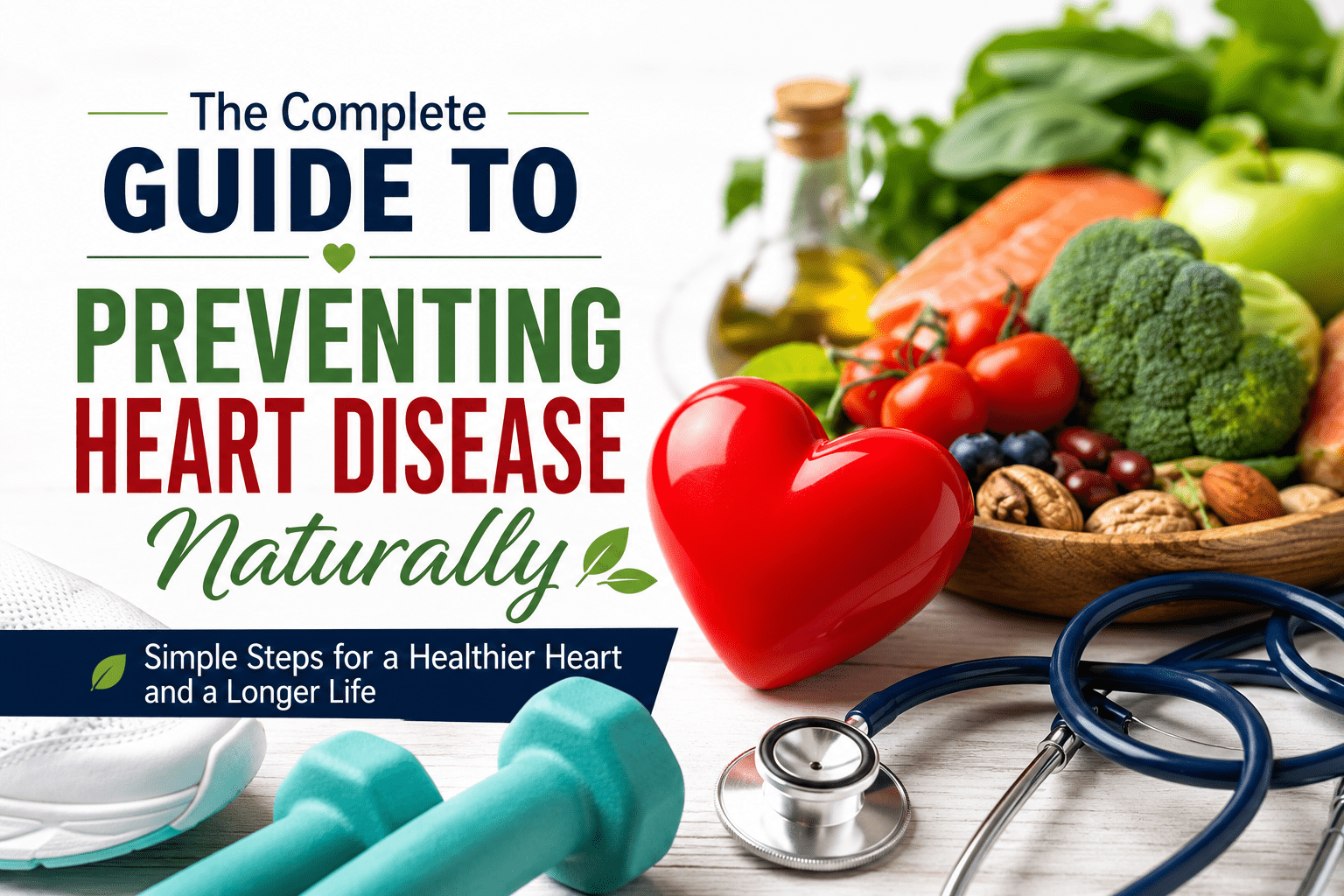

Heart disease remains one of the leading health concerns worldwide, but many risk factors can be reduced through daily lifestyle choices. While genetics and age play a role, adopting healthy habits can significantly lower your chances of developing cardiovascular problems.
Learning how to prevent heart disease naturally involves more than just avoiding unhealthy foods. It requires a holistic approach that includes balanced nutrition, regular physical activity, stress management, quality sleep, and maintaining overall wellness.
This complete guide explores effective, science-backed strategies to support heart health and reduce the risk of heart disease naturally.
Also Read – What Are the Best Over-the-Counter Medications for Chest Pain Relief?
Understanding Heart Disease and Its Risk Factors
Heart disease refers to a group of conditions that affect the heart and blood vessels. The most common type is coronary artery disease, which occurs when plaque builds up in the arteries and restricts blood flow to the heart.
Common risk factors for heart disease include:
- High blood pressure
- High cholesterol levels
- Smoking
- Diabetes
- Excess body weight
- Physical inactivity
- Chronic stress
- Poor diet
- Lack of sleep
- Family history of heart disease
Although some risk factors cannot be changed, many lifestyle-related factors can be improved through consistent healthy choices.
Also Read – Coping With Flare-Ups: Managing POTS Symptoms on Tough Days
1. Follow a Heart-Healthy Diet
One of the most powerful ways to prevent heart disease naturally is by improving your diet. The foods you eat directly influence cholesterol levels, blood pressure, inflammation, and overall cardiovascular health.
Eat More Fruits and Vegetables
Fruits and vegetables are rich in:
- Fiber
- Antioxidants
- Vitamins
- Minerals
- Heart-protective plant compounds
Aim to include a variety of colorful vegetables and fruits in your daily meals.
Examples include:
- Leafy greens like spinach and kale
- Berries
- Citrus fruits
- Tomatoes
- Broccoli
- Carrots
These foods help reduce oxidative stress and support healthy blood vessels.
Choose Healthy Fats
Not all fats are harmful. Healthy fats can support heart health by improving cholesterol balance.
Include sources of healthy fats such as:
- Olive oil
- Avocados
- Nuts and seeds
- Fatty fish like salmon and sardines
Limit saturated and trans fats commonly found in:
- Fried foods
- Processed snacks
- Packaged baked goods
- Excessive amounts of red meat
Increase Fiber Intake
Dietary fiber helps control cholesterol and supports healthy blood pressure.
High-fiber foods include:
- Whole grains
- Oats
- Beans
- Lentils
- Fruits
- Vegetables
Soluble fiber, found in foods like oats and legumes, can help reduce LDL (“bad”) cholesterol levels.
2. Maintain Regular Physical Activity
Exercise is one of the most effective natural methods for improving heart health.
Regular movement helps:
- Strengthen the heart muscle
- Improve circulation
- Lower blood pressure
- Maintain healthy weight
- Reduce stress
- Improve cholesterol levels
Aim for at least 150 minutes of moderate-intensity exercise per week, such as:
- Brisk walking
- Cycling
- Swimming
- Dancing
- Strength training
Even small increases in daily activity can make a meaningful difference.
3. Maintain a Healthy Weight
Carrying excess weight increases the risk of:
- High blood pressure
- Diabetes
- High cholesterol
- Heart inflammation
Maintaining a healthy weight reduces strain on your heart and improves overall cardiovascular function.
Instead of focusing on extreme diets, aim for sustainable habits:
- Eat balanced meals
- Control portion sizes
- Stay physically active
- Reduce processed foods
- Drink enough water
4. Manage Blood Pressure Naturally
High blood pressure is often called a “silent threat” because it may not cause noticeable symptoms while damaging arteries over time.
Natural ways to support healthy blood pressure include:
Reduce Sodium Intake
Excess sodium can increase blood pressure. Limit:
- Processed foods
- Fast food
- Packaged snacks
- High-salt meals
Increase Potassium-Rich Foods
Potassium helps balance sodium levels and supports healthy blood pressure.
Good sources include:
- Bananas
- Sweet potatoes
- Beans
- Spinach
- Avocados
Practice Stress Reduction
Stress management techniques such as meditation, breathing exercises, and yoga may support healthier blood pressure levels.
5. Control Cholesterol Levels Naturally
High cholesterol can contribute to plaque buildup in arteries, increasing heart disease risk.
Natural ways to improve cholesterol include:
- Eating more soluble fiber
- Choosing healthy fats
- Exercising regularly
- Maintaining a healthy weight
- Avoiding smoking
- Reducing processed foods
Foods that may support healthy cholesterol levels include:
- Oats
- Nuts
- Beans
- Fatty fish
- Fruits and vegetables
6. Quit Smoking and Avoid Tobacco Exposure
Smoking is one of the strongest preventable risk factors for heart disease. Tobacco damages blood vessels, increases inflammation, and makes the heart work harder.
Quitting smoking can improve heart health by:
- Lowering blood pressure
- Improving circulation
- Reducing heart attack risk
- Supporting healthier lungs
Avoiding secondhand smoke is also important for cardiovascular wellness.
7. Prioritize Quality Sleep
Sleep plays a major role in heart health. Poor sleep patterns are linked with increased risks of:
- High blood pressure
- Weight gain
- Diabetes
- Heart disease
Healthy sleep habits include:
- Maintaining a consistent sleep schedule
- Limiting screen time before bed
- Creating a relaxing bedtime routine
- Avoiding caffeine late in the day
Most adults should aim for around 7–9 hours of quality sleep each night.
8. Reduce Chronic Stress
Long-term stress can negatively affect heart health by increasing inflammation and contributing to unhealthy habits.
Effective stress-management techniques include:
- Meditation
- Deep breathing exercises
- Spending time in nature
- Journaling
- Yoga
- Connecting with loved ones
- Practicing mindfulness
Taking care of your mental health is an important part of protecting your heart.
9. Stay Hydrated
Proper hydration supports healthy circulation and helps your heart pump blood efficiently.
Tips for staying hydrated:
- Drink enough water throughout the day
- Eat water-rich foods like fruits and vegetables
- Limit excessive sugary beverages
10. Schedule Regular Health Checkups
Prevention includes understanding your personal risk factors.
Regular health screenings can help monitor:
- Blood pressure
- Cholesterol levels
- Blood sugar
- Body weight
- Heart health indicators
Early detection allows you to make lifestyle changes before problems become serious.
Can Heart Disease Be Prevented Naturally?
While no lifestyle approach can completely eliminate the possibility of heart disease, healthy habits can significantly reduce risk. A balanced diet, regular exercise, stress management, proper sleep, and routine health monitoring create a strong foundation for long-term heart wellness.
Small daily choices can lead to major improvements in cardiovascular health over time.
FAQs: Preventing Heart Disease Naturally
1. What is the best natural way to prevent heart disease?
The best natural approach includes eating a heart-healthy diet, exercising regularly, maintaining healthy cholesterol and blood pressure levels, managing stress, and avoiding smoking.
2. Which foods help prevent heart disease?
Foods rich in fiber, antioxidants, and healthy fats — including fruits, vegetables, whole grains, nuts, seeds, and fatty fish — support better heart health.
3. Can exercise reduce the risk of heart disease?
Yes. Regular physical activity strengthens the heart, improves circulation, helps control weight, and reduces several cardiovascular risk factors.
4. How can I improve heart health naturally?
You can improve heart health by eating better, staying active, sleeping well, reducing stress, staying hydrated, and getting regular health screenings.