We have moved to
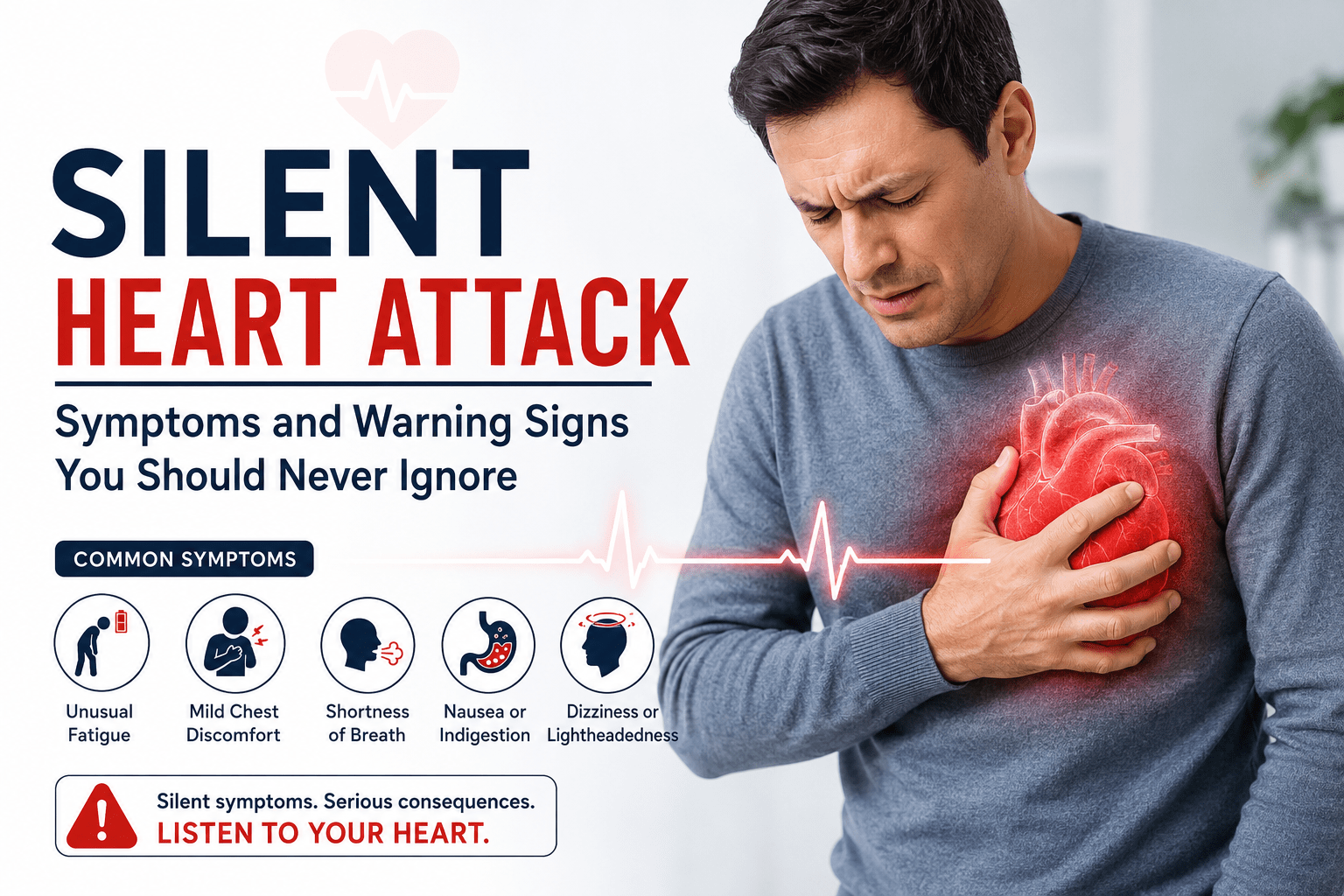

A heart attack doesn’t always happen with crushing chest pain or a dramatic collapse. In many cases, the warning signs are so mild that people mistake them for indigestion, fatigue, or stress. This type of event is known as a silent heart attack. Although the symptoms may be subtle, the damage to the heart muscle can be just as serious as a classic heart attack.
Recognizing silent heart attack symptoms early can help you seek treatment before complications develop. Knowing what to watch for could save your life or the life of someone you love.
Also Read – Coping With Flare-Ups: Managing POTS Symptoms on Tough Days
What Is a Silent Heart Attack?
A silent heart attack, also called a silent myocardial infarction, occurs when blood flow to part of the heart is blocked, causing damage to the heart muscle. The difference is that the symptoms are mild, unusual, or completely unnoticed.
Some people only discover they had a silent heart attack during a routine electrocardiogram (ECG) or cardiac imaging test months or even years later.
Even if you feel fine afterward, untreated heart damage increases the risk of heart failure, abnormal heart rhythms, and future heart attacks.
Also Read – Medicinal Spices That Help Lower Blood Pressure
Silent Heart Attack Symptoms
Unlike the intense pain often shown in movies, silent heart attack symptoms may be easy to dismiss. Common warning signs include:
Mild Chest Discomfort
Instead of severe chest pain, you may feel:
- Pressure
- Tightness
- Fullness
- Mild aching
- Burning sensation
The discomfort may come and go instead of remaining constant.
Unexplained Fatigue
Feeling unusually tired for several days or weeks without a clear reason may be an early warning sign, especially in women.
Shortness of Breath
Difficulty catching your breath during everyday activities or while resting may indicate the heart isn’t receiving enough oxygen.
Pain in Other Areas
Discomfort may spread to:
- Jaw
- Neck
- Shoulder
- Upper back
- One or both arms
Sometimes these symptoms occur without any chest discomfort.
Nausea or Indigestion
Some people mistake a silent heart attack for:
- Acid reflux
- Upset stomach
- Heartburn
- Indigestion
Persistent digestive discomfort should never be ignored if it occurs with other symptoms.
Cold Sweats
Breaking into an unexplained cold sweat, especially when not exercising or in a hot environment, can signal reduced blood flow to the heart.
Dizziness or Lightheadedness
Feeling faint, weak, or dizzy may indicate that the heart is struggling to pump enough blood throughout the body.
Who Is Most at Risk?
Anyone can experience a silent heart attack, but certain people face a higher risk.
Risk factors include:
- High blood pressure
- High cholesterol
- Diabetes
- Smoking
- Obesity
- Family history of heart disease
- Physical inactivity
- Chronic stress
- Older age
People with diabetes may be particularly vulnerable because nerve damage can reduce the sensation of pain during a heart attack.
Also Read – What Are the Best Over-the-Counter Medications for Chest Pain Relief?
When Should You Seek Emergency Care?
Call emergency medical services immediately if you experience:
- Chest pressure lasting more than a few minutes
- Shortness of breath
- Pain spreading to the arm, jaw, neck, or back
- Cold sweats
- Sudden dizziness
- Nausea accompanied by chest discomfort
Never attempt to drive yourself if you suspect a heart attack. Early treatment can significantly reduce heart damage.
How Is a Silent Heart Attack Diagnosed?
Your healthcare provider may recommend:
- Electrocardiogram (ECG)
- Blood tests for cardiac enzymes
- Echocardiogram
- Cardiac CT scan
- Cardiac MRI
- Stress testing
These tests help identify previous heart muscle damage and evaluate overall heart function.
Treatment Options
Treatment depends on the extent of heart damage and the underlying cause.
Common treatments include:
- Blood-thinning medications
- Cholesterol-lowering medications
- Blood pressure control
- Lifestyle changes
- Cardiac rehabilitation
- Angioplasty or stent placement when necessary
Early diagnosis improves long-term outcomes and reduces the risk of another heart attack.
How to Reduce Your Risk
Protecting your heart starts with healthy daily habits.
Consider these preventive measures:
- Eat a heart-healthy diet rich in fruits, vegetables, whole grains, and lean proteins.
- Exercise regularly after consulting your physician.
- Keep blood pressure, cholesterol, and blood sugar under control.
- Avoid smoking and limit alcohol intake.
- Maintain a healthy weight.
- Manage stress through meditation, yoga, or relaxation techniques.
- Schedule regular heart health screenings, especially if you have risk factors.
Small lifestyle improvements can make a significant difference in preventing cardiovascular disease.
Frequently Asked Questions
1. Can you have a heart attack without chest pain?
Yes. Many people experience a silent heart attack with little or no chest pain. Symptoms may include fatigue, shortness of breath, nausea, or discomfort in the jaw, neck, or back.
2. Who is most likely to have a silent heart attack?
People with diabetes, high blood pressure, high cholesterol, obesity, smokers, older adults, and those with a family history of heart disease have a higher risk.
3. Can a silent heart attack heal on its own?
The symptoms may go away, but the heart muscle damage remains. Medical evaluation is essential to prevent future complications.
4. How can doctors tell if you’ve had a silent heart attack?
Doctors use an ECG, blood tests, echocardiogram, cardiac MRI, or other imaging tests to detect previous heart damage.
5. Is a silent heart attack life-threatening?
Yes. Even without obvious symptoms, it can permanently damage the heart and increase the risk of heart failure, arrhythmias, and future heart attacks if left untreated.