We have moved to
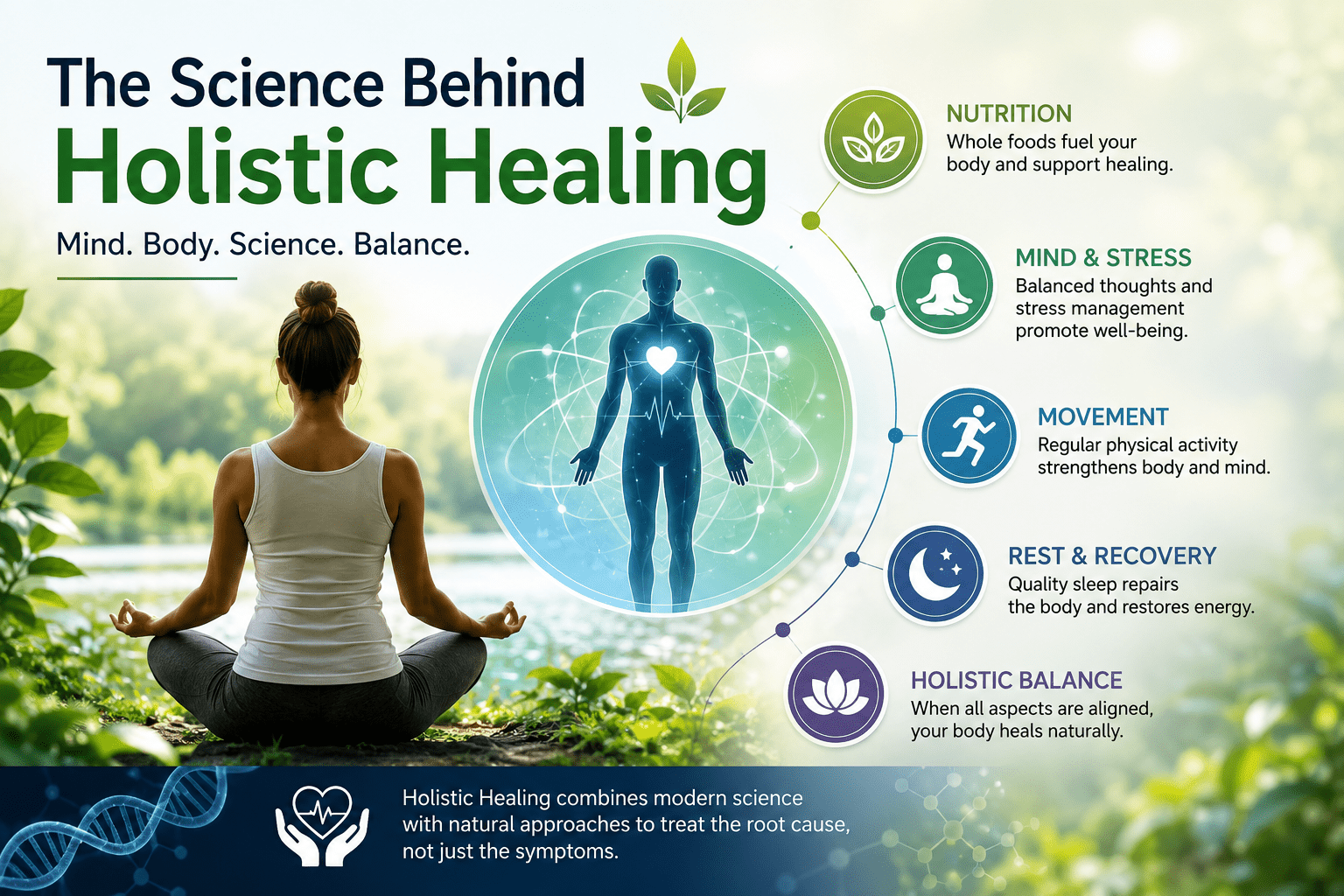

Holistic healing has gained significant attention in recent years as more people seek personalized, preventive, and natural approaches to healthcare. Rather than treating symptoms alone, holistic healing focuses on identifying and addressing the underlying causes of illness while supporting the body’s natural ability to heal.
But does holistic healing really work? Is there scientific evidence to support it, or is it simply another wellness trend?
The answer is more nuanced than a simple yes or no. While not every alternative therapy has strong scientific backing, many holistic healing practices—including nutrition, stress management, exercise, sleep optimization, mindfulness, and functional medicine—are supported by a growing body of research. Today, leading healthcare institutions increasingly recognize that lifestyle, mental health, and environmental factors play a major role in preventing and managing chronic diseases.
In this article, we’ll explore the science behind holistic healing, examine the evidence, and explain why this whole-person approach continues to gain credibility among healthcare professionals and patients alike.
Also Read – What Are the Best Over-the-Counter Medications for Chest Pain Relief?
What Is Holistic Healing?
Holistic healing is an approach to healthcare that considers the whole person—not just a disease or isolated symptom. It recognizes that physical, emotional, mental, social, and spiritual well-being are interconnected.
Instead of asking:
“What medication treats this symptom?”
a holistic practitioner asks:
“Why is this symptom happening in the first place?”
The goal is to identify root causes while creating an individualized treatment plan that supports overall health.
A holistic healing plan may include:
- Personalized nutrition
- Physical activity
- Stress reduction
- Better sleep habits
- Mindfulness techniques
- Functional medicine testing
- Natural supplements (when appropriate)
- Conventional medical care when necessary
Rather than replacing traditional medicine, holistic healing often works alongside it to improve outcomes.
Also Read – How to Recognize Woman High Cholesterol Symptoms
Why More People Are Turning to Holistic Healing
Modern medicine has made remarkable advances in emergency care, surgery, and infectious disease treatment. However, many chronic conditions develop slowly over time due to lifestyle and environmental influences.
Examples include:
- High blood pressure
- Heart disease
- Type 2 diabetes
- Chronic inflammation
- Digestive disorders
- Fatigue
- Anxiety
- Sleep problems
These conditions often require more than medication alone.
Holistic healing addresses the broader factors that contribute to health, helping patients make sustainable lifestyle changes that support long-term wellness.
Also Read – What Are the Best Over-the-Counter Medications for Chest Pain Relief?
The Science Behind Holistic Healing
Scientific research increasingly supports several key principles of holistic healing.
1. Lifestyle Medicine Is Backed by Research
One of the strongest foundations of holistic healing is lifestyle medicine.
Research consistently shows that healthy habits can reduce the risk of chronic diseases and improve quality of life.
These include:
- Eating a nutrient-rich diet
- Exercising regularly
- Maintaining a healthy weight
- Managing stress
- Avoiding tobacco
- Getting enough sleep
These evidence-based strategies can improve blood pressure, cholesterol, blood sugar, and cardiovascular health.
2. Chronic Stress Affects Physical Health
Stress isn’t just emotional—it has measurable effects on the body.
Long-term stress can increase:
- Cortisol levels
- Blood pressure
- Inflammation
- Heart rate
- Blood sugar
Research has linked chronic stress to an increased risk of:
- Heart disease
- Stroke
- Anxiety
- Depression
- Digestive disorders
Holistic healing incorporates stress-reduction techniques such as meditation, breathing exercises, yoga, and mindfulness, many of which have demonstrated positive effects in clinical studies.
3. Nutrition Is Powerful Medicine
Food influences nearly every system in the body.
Research shows that diets rich in:
- Vegetables
- Fruits
- Whole grains
- Healthy fats
- Lean proteins
- Omega-3 fatty acids
can reduce inflammation and support cardiovascular health.
Conversely, diets high in processed foods, added sugars, and unhealthy fats are associated with increased risks of obesity, diabetes, and heart disease.
Holistic healing emphasizes personalized nutrition based on individual health needs rather than one-size-fits-all diet plans.
4. Sleep Supports Healing
Quality sleep is essential for:
- Hormone regulation
- Immune function
- Memory
- Tissue repair
- Heart health
Poor sleep has been linked to increased risks of:
- High blood pressure
- Obesity
- Diabetes
- Depression
- Cardiovascular disease
Improving sleep habits is a key part of many holistic healing programs.
5. Physical Activity Benefits the Entire Body
Exercise does far more than burn calories.
Regular movement helps:
- Improve circulation
- Lower blood pressure
- Strengthen the heart
- Reduce stress
- Improve mood
- Increase energy
- Support healthy aging
Even moderate exercise, such as brisk walking, can produce significant health benefits when done consistently.
The Mind-Body Connection
One of the most fascinating areas of research involves the connection between mental and physical health.
Scientists have discovered that emotional well-being influences immune function, hormone balance, and cardiovascular health.
Practices such as:
- Meditation
- Mindfulness
- Guided relaxation
- Deep breathing
have been associated with:
- Reduced anxiety
- Lower stress hormones
- Improved emotional resilience
- Better sleep
- Lower blood pressure
These measurable effects help explain why holistic healing often focuses on emotional wellness alongside physical health.
Functional Medicine and Holistic Healing
Functional medicine shares many principles with holistic healing.
Rather than treating symptoms in isolation, functional medicine seeks to identify underlying contributors such as:
- Nutrient deficiencies
- Chronic inflammation
- Hormonal imbalances
- Gut health issues
- Lifestyle habits
- Environmental exposures
This personalized approach can complement conventional medical care, especially for individuals managing chronic conditions.
Can Holistic Healing Help Heart Health?
Heart disease remains one of the leading causes of death worldwide, yet many cardiovascular risk factors are influenced by lifestyle.
Holistic healing supports heart health by encouraging:
- Heart-healthy nutrition
- Regular exercise
- Stress management
- Healthy sleep
- Weight management
- Smoking cessation
These strategies may help improve blood pressure, cholesterol levels, and overall cardiovascular wellness when combined with appropriate medical care.
Common Misconceptions About Holistic Healing
Myth 1: Holistic Healing Isn’t Scientific
Many holistic practices, including nutrition, exercise, stress management, and sleep optimization, are supported by decades of scientific research.
Myth 2: Holistic Healing Replaces Doctors
Holistic healing is not a substitute for emergency medicine or necessary medical treatments. Instead, it complements conventional care by supporting overall health and prevention.
Myth 3: Natural Means Safe
Natural remedies can still have side effects or interact with medications. Always consult a qualified healthcare professional before starting supplements or herbal therapies.
Who May Benefit from Holistic Healing?
Holistic healing may be beneficial for people who want to:
- Improve overall wellness
- Reduce chronic stress
- Support heart health
- Enhance energy levels
- Improve sleep quality
- Develop healthier lifestyle habits
- Manage chronic conditions alongside conventional treatment
- Focus on prevention rather than reacting to illness
How to Get Started with Holistic Healing
If you’re interested in holistic healing, begin with evidence-based lifestyle changes:
- Eat a balanced, whole-food diet.
- Exercise most days of the week.
- Prioritize 7–9 hours of quality sleep.
- Practice stress-management techniques such as meditation or deep breathing.
- Stay hydrated.
- Avoid smoking and limit alcohol intake.
- Schedule regular preventive health checkups.
- Work with a qualified healthcare provider who can create a personalized wellness plan.
Small, consistent improvements often lead to meaningful long-term health benefits.
Frequently Asked Questions
1. Is holistic healing scientifically proven?
Many components of holistic healing, such as healthy nutrition, regular exercise, stress reduction, and quality sleep, are supported by extensive scientific research. However, some complementary therapies require further study.
2. Does holistic healing replace conventional medicine?
No. Holistic healing is generally used alongside conventional medical care to support overall health and address lifestyle factors that influence disease.
3. Can holistic healing improve heart health?
Holistic approaches that focus on nutrition, physical activity, stress management, and healthy habits can help support cardiovascular wellness and reduce risk factors for heart disease when combined with appropriate medical care.
4. How long does holistic healing take to show results?
Results vary depending on the individual and their health goals. Some people notice improvements in energy, sleep, or stress within weeks, while managing chronic conditions often requires consistent lifestyle changes over several months.
5. Who should consider holistic healing?
Anyone looking to improve overall wellness, prevent chronic disease, or complement traditional medical treatment with evidence-based lifestyle strategies may benefit from a holistic approach.