We have moved to
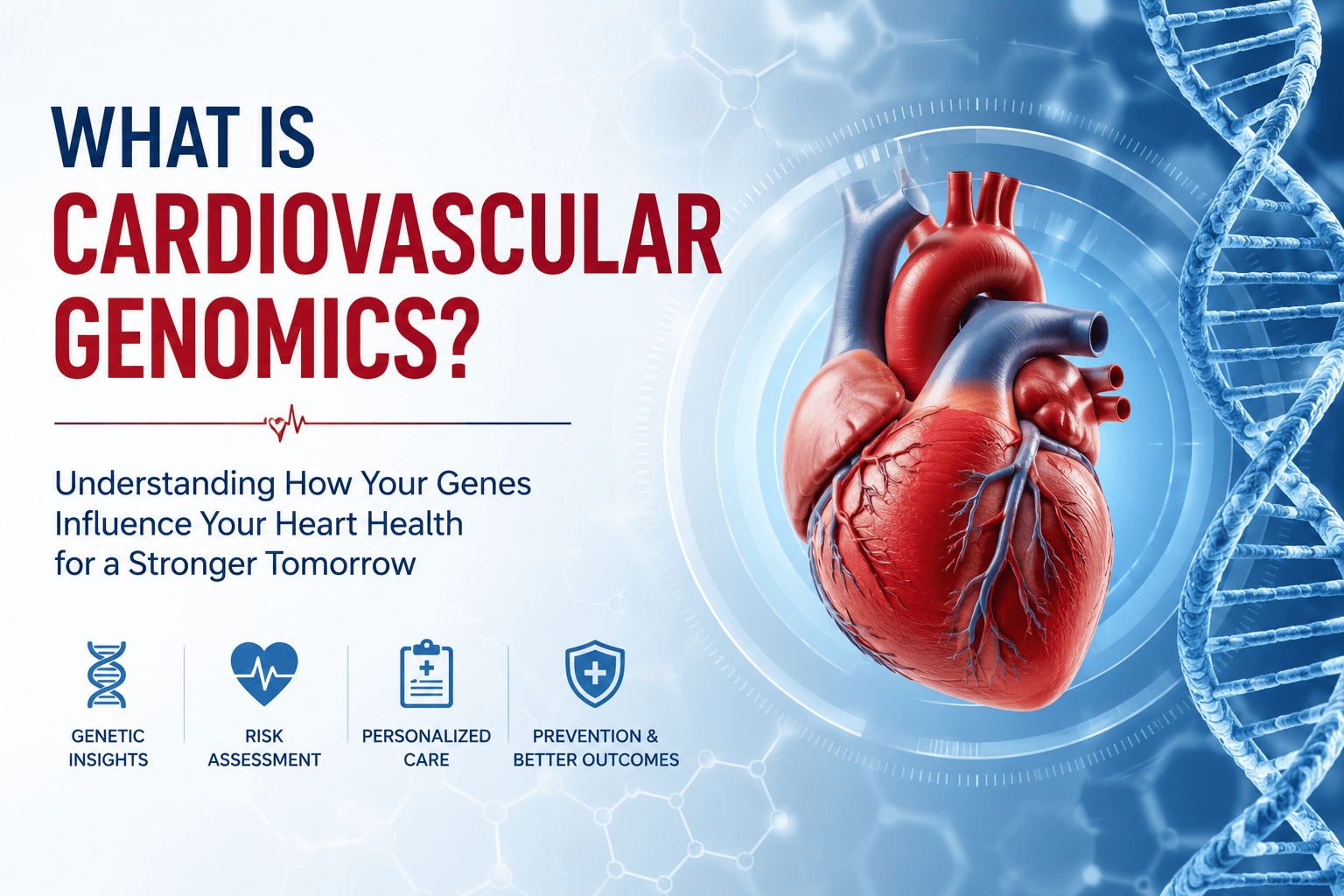

Heart disease remains one of the leading causes of illness worldwide, but advances in medical science are making it possible to detect risks earlier than ever before. One of the most promising developments is cardiovascular genomics, a field that combines genetics and cardiology to better understand how your DNA influences your heart health.
Rather than treating every patient the same way, cardiovascular genomics helps healthcare providers create personalized prevention and treatment plans based on an individual’s genetic makeup. For people with a family history of heart disease, unexplained heart conditions, or inherited cholesterol disorders, this approach can provide valuable insights that may improve long-term outcomes.
Also Read – How to Recognize Woman High Cholesterol Symptoms
What Is Cardiovascular Genomics?
Cardiovascular genomics is the study of how genes affect the development, progression, and treatment of heart and blood vessel diseases. Every person inherits genes from their parents, and some of these genes may increase the likelihood of developing certain cardiovascular conditions.
By analyzing genetic information, physicians can identify inherited mutations associated with heart disease and recommend strategies to reduce risk before serious complications occur.
Unlike routine heart screenings, cardiovascular genomics focuses on identifying risks that may not yet produce symptoms, allowing for earlier intervention.
How Genetics Influences Heart Health
Your lifestyle plays a major role in heart health, but genetics can also significantly affect your cardiovascular risk.
Inherited genetic variations may increase the likelihood of developing conditions such as:
- Familial hypercholesterolemia (genetically high cholesterol)
- Cardiomyopathy
- Inherited arrhythmias
- Aortic aneurysms
- Certain forms of heart failure
- Sudden cardiac death syndromes
Having one of these genetic conditions does not guarantee that heart disease will develop. However, knowing your genetic risk allows your healthcare provider to recommend preventive measures and closer monitoring.
Who Can Benefit from Cardiovascular Genomics?
Genetic evaluation may be particularly helpful if you:
- Have a family history of early heart disease
- Have relatives who experienced sudden cardiac death
- Have unexplained high cholesterol despite a healthy lifestyle
- Have been diagnosed with cardiomyopathy or inherited arrhythmias
- Experienced heart problems at a young age
- Want a more personalized approach to cardiovascular prevention
For many patients, genetic testing provides answers that traditional diagnostic tests alone cannot.
Also Read – What Are the Best Over-the-Counter Medications for Chest Pain Relief?
Benefits of Cardiovascular Genomics
Earlier Risk Detection
Many inherited heart conditions begin long before symptoms appear. Genetic testing can identify these risks early, giving patients time to take preventive action.
Personalized Treatment
Instead of using a one-size-fits-all approach, physicians can tailor treatment plans based on genetic findings, family history, lifestyle, and overall health.
Better Family Screening
If one family member carries a harmful genetic variant, close relatives may also benefit from testing. Early identification can help protect multiple generations.
Improved Prevention
Understanding genetic risk allows patients to focus on heart-healthy habits, routine monitoring, and medical therapies that may lower the chance of future cardiovascular events.
What Happens During Genetic Testing?
Cardiovascular genetic testing is generally simple and non-invasive. A blood sample or saliva sample is collected and analyzed in a specialized laboratory.
The results are reviewed alongside your:
- Personal medical history
- Family history
- Physical examination
- Imaging studies
- Laboratory findings
Genetic information is only one piece of the puzzle. Experienced cardiologists combine these results with clinical evaluation to develop a comprehensive care plan.
Can Lifestyle Still Make a Difference?
Absolutely.
Even if you have inherited genetic risk factors, healthy lifestyle choices remain essential for protecting your heart.
These include:
- Eating a balanced, heart-healthy diet
- Exercising regularly
- Maintaining a healthy weight
- Managing blood pressure and cholesterol
- Avoiding tobacco products
- Getting adequate sleep
- Managing stress effectively
Genes may influence your risk, but lifestyle and preventive medical care can significantly improve long-term heart health.
Is Cardiovascular Genomics Right for You?
Not everyone needs genetic testing. However, if you have a strong family history of cardiovascular disease, inherited cholesterol disorders, unexplained heart conditions, or relatives diagnosed with genetic heart diseases, discussing cardiovascular genomics with your cardiologist may be worthwhile.
A comprehensive evaluation helps determine whether genetic testing is appropriate and how the results may influence your care.
Also Read – Coping With Flare-Ups: Managing POTS Symptoms on Tough Days
The Future of Personalized Heart Care
Cardiovascular genomics is transforming the way heart disease is prevented, diagnosed, and treated. By combining advanced genetic science with personalized medical care, physicians can better identify individuals at increased risk and develop targeted strategies to protect their cardiovascular health.
While genetics cannot predict every aspect of heart disease, understanding your inherited risk empowers you to make informed decisions about screening, lifestyle changes, and treatment. As research continues to evolve, cardiovascular genomics is expected to play an increasingly important role in helping patients achieve healthier hearts and better long-term outcomes.
Frequently Asked Questions
What is cardiovascular genomics?
Cardiovascular genomics studies how genes influence heart disease risk, diagnosis, prevention, and treatment to provide more personalized cardiovascular care.
Who should consider cardiovascular genetic testing?
Individuals with a family history of early heart disease, inherited high cholesterol, cardiomyopathy, or sudden cardiac death may benefit from discussing genetic testing with their healthcare provider.
Can cardiovascular genomics prevent heart disease?
Genetic testing cannot prevent heart disease by itself, but it can identify inherited risks early, allowing for preventive care and personalized treatment strategies.
Is genetic testing painful?
No. Most cardiovascular genetic tests require only a saliva sample or a simple blood draw.
Does having a genetic mutation mean I will definitely develop heart disease?
No. A genetic mutation increases risk but does not guarantee disease. Lifestyle, medical care, and regular monitoring also play important roles in maintaining heart health.