We have moved to
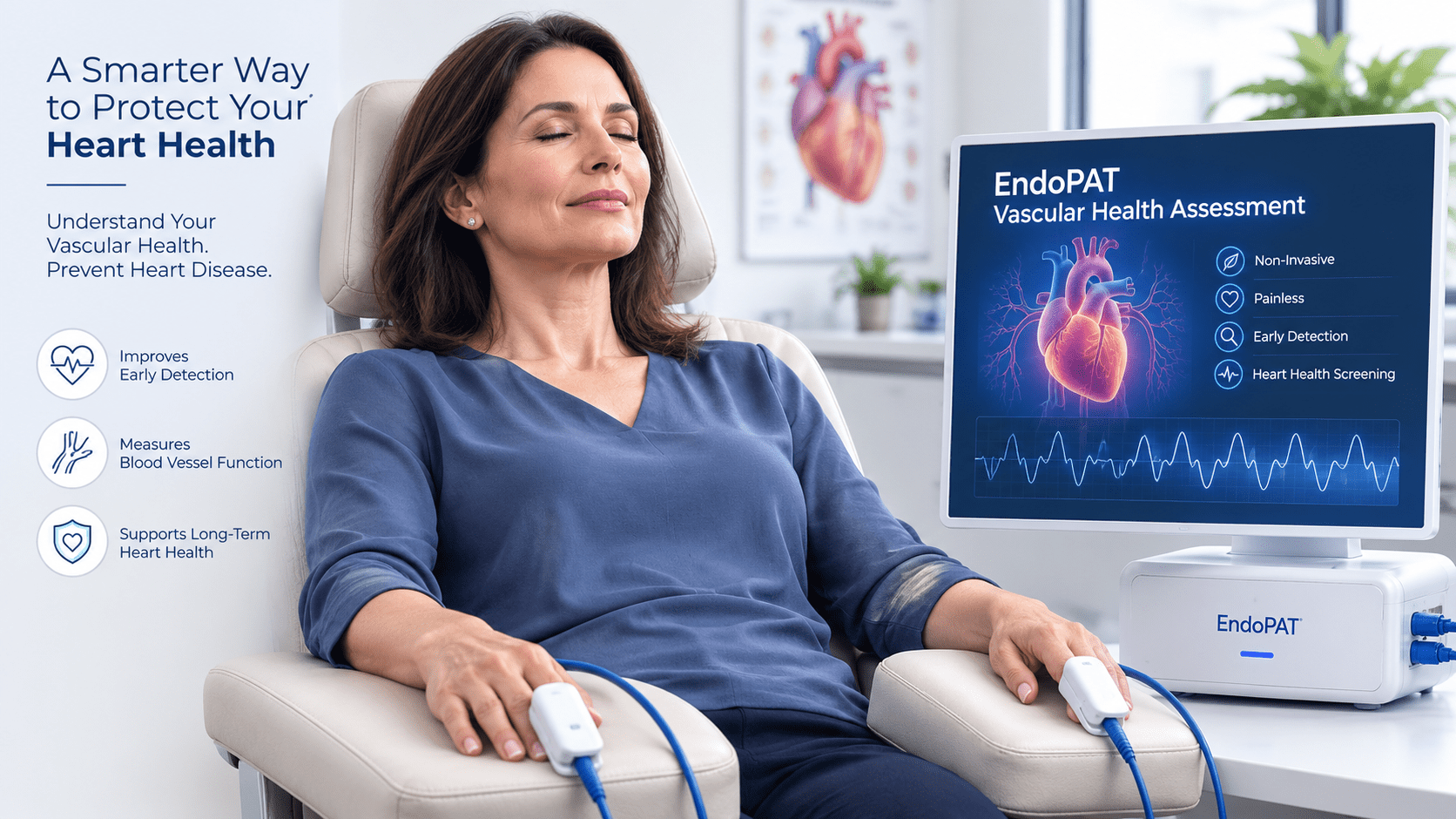

Heart disease often develops silently, long before symptoms become severe. That’s why identifying vascular problems early is essential for protecting your long-term heart health. An EndoPAT vascular health assessment is a simple, non-invasive test that evaluates how well your blood vessels are functioning by measuring endothelial function—the health of the inner lining of your arteries.
Healthy endothelial function helps regulate blood flow, blood pressure, and overall cardiovascular wellness. When this lining becomes damaged, your risk of heart disease, stroke, and other cardiovascular conditions increases.
If you’re wondering whether this test is right for you, here are seven common signs that you may benefit from an EndoPAT vascular health assessment.
Also Read – How to Recognize Woman High Cholesterol Symptoms
What Is an EndoPAT Vascular Health Assessment?
An EndoPAT vascular health assessment is an FDA-cleared, non-invasive diagnostic test that measures endothelial function using fingertip sensors. The test evaluates how your blood vessels respond to changes in blood flow, providing valuable insight into your cardiovascular health before structural heart disease develops.
Unlike imaging tests that look for existing blockages, the EndoPAT test helps identify early vascular dysfunction, allowing patients and physicians to take preventive action.
1. You Have High Blood Pressure
High blood pressure places constant stress on your arteries, gradually damaging the endothelial lining. Even if your blood pressure is controlled with medication, your blood vessels may still show signs of dysfunction.
An EndoPAT vascular health assessment can help determine whether your vascular system is functioning properly and whether additional lifestyle or medical interventions may be beneficial.
2. You Have a Family History of Heart Disease
Genetics play an important role in cardiovascular health. If your parents or siblings have experienced heart attacks, stroke, or coronary artery disease, your own risk may be higher.
Early vascular testing provides valuable information about your cardiovascular health, even if you currently feel well.
3. You Have Diabetes or Prediabetes
Elevated blood sugar damages blood vessels over time, increasing the risk of cardiovascular disease.
People with diabetes often develop endothelial dysfunction before experiencing noticeable symptoms. An EndoPAT vascular health assessment helps detect these early changes, allowing for timely preventive care.
4. You Experience Chest Discomfort or Shortness of Breath
Although these symptoms require prompt medical evaluation, they are not always caused by blocked arteries.
In some cases, impaired endothelial function contributes to reduced blood flow and cardiovascular symptoms. Your cardiologist may recommend vascular function testing as part of a comprehensive heart evaluation.
5. You Have High Cholesterol
High LDL cholesterol contributes to plaque buildup inside arteries and may impair endothelial function.
If your cholesterol levels remain elevated despite healthy lifestyle changes or medication, assessing your vascular health can provide additional information about your overall cardiovascular risk.
6. You Live with Chronic Stress
Long-term stress affects more than emotional well-being. It increases inflammation, raises blood pressure, and negatively impacts blood vessel function.
Patients experiencing chronic stress, poor sleep, or burnout may benefit from an EndoPAT vascular health assessment to better understand how these factors are affecting their cardiovascular health.
7. You Want to Prevent Future Heart Disease
You don’t need symptoms to benefit from vascular health testing.
Many individuals choose preventive cardiovascular screening because they want to understand their risk before serious heart problems develop. Detecting endothelial dysfunction early provides an opportunity to improve heart health through nutrition, exercise, stress management, and personalized medical care.
Also Read – What Are the Best Over-the-Counter Medications for Chest Pain Relief?
Benefits of an EndoPAT Vascular Health Assessment
An EndoPAT vascular health assessment offers several advantages:
- Completely non-invasive and painless
- No needles or radiation exposure
- Takes approximately 15–20 minutes
- Detects early endothelial dysfunction
- Supports personalized cardiovascular prevention
- Helps monitor improvements from lifestyle changes and treatment
Because endothelial dysfunction often occurs before significant arterial blockage develops, early detection can play an important role in long-term heart health.
Supporting Better Heart Health
Protecting your blood vessels is one of the most effective ways to reduce your risk of cardiovascular disease. Along with regular medical care, consider adopting heart-healthy habits such as:
- Eating a Mediterranean-style diet
- Exercising regularly
- Managing stress effectively
- Maintaining healthy blood pressure
- Controlling cholesterol and blood sugar
- Getting quality sleep
- Avoiding tobacco products
These lifestyle changes can positively influence endothelial function and overall vascular health.
Also Read – Coping With Flare-Ups: Managing POTS Symptoms on Tough Days
Frequently Asked Questions
1. What does an EndoPAT vascular health assessment measure?
It measures endothelial function, which reflects how well the inner lining of your blood vessels responds to changes in blood flow.
2. Is the EndoPAT test painful?
No. The test is completely non-invasive and painless, using fingertip probes to assess vascular function.
3. Who should consider an EndoPAT vascular health assessment?
People with high blood pressure, diabetes, high cholesterol, a family history of heart disease, or those interested in preventive heart care may benefit.
4. How long does an EndoPAT test take?
Most EndoPAT assessments are completed in about 15 to 20 minutes.
5. Can an EndoPAT test diagnose blocked arteries?
No. It evaluates endothelial function and vascular health, helping detect early dysfunction rather than identifying arterial blockages directly. It is one component of a comprehensive cardiovascular evaluation.