We have moved to
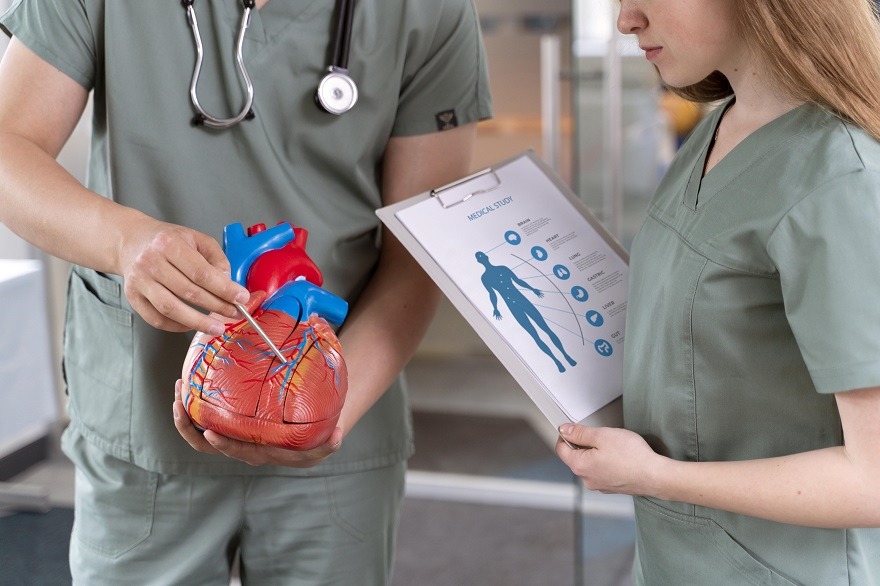
When you receive a diagnosis of coronary artery disease (CAD), the road ahead can feel overwhelming. Many individuals across Greater Los Angeles, Burbank, North Hollywood, Bakersfield, and the Kern Valley share these concerns. Hearing the term percutaneous coronary intervention (PCI) may sound intimidating at first. However, PCI represents one of the most effective and minimally invasive tools in modern cardiology.
As an integrative and holistic cardiologist, I believe knowledge restores confidence. Therefore, understanding both the what and the why of PCI becomes the first step toward reclaiming control of your heart health.
In this comprehensive guide, we will explore PCI not only as a medical procedure, but also as a meaningful milestone in your healing journey. Along the way, we will integrate nutrition, lifestyle, and emotional wellness into a heart-centered framework designed for lasting vitality.
What Is Percutaneous Coronary Intervention (PCI)?
minimally invasive procedure that opens narrowed or blocked coronary arteries. These arteries supply oxygen-rich blood to the heart muscle. When plaque builds up inside them, blood flow becomes restricted and symptoms such as chest pain or shortness of breath can develop.
The word percutaneous means “through the skin.” As a result, PCI avoids large surgical incisions and open-heart surgery. Instead, an interventional cardiologist accesses the arterial system through a small puncture, usually in the wrist (radial artery) or groin (femoral artery).
Ultimately, PCI aims to restore healthy blood flow, relieve symptoms like angina, and, during a heart attack, limit damage to the heart muscle.
How the PCI Procedure Works: Step by Step
PCI takes place in a hospital cardiac catheterization laboratory, often called a cath lab. Although you remain awake, mild sedation helps you stay relaxed throughout the procedure.
1. Gaining Arterial Access
First, the cardiologist numbs the wrist or groin with local anesthesia. Next, they insert a small hollow tube, known as a sheath, into the artery. This sheath allows other instruments to pass safely into the bloodstream.
2. Guiding the Catheter to the Heart
Then, the physician advances a thin, flexible guiding catheter through the sheath and into the coronary arteries. Using real-time X-ray imaging and contrast dye, the cardiologist clearly visualizes the blockages.
3. Balloon Angioplasty
After positioning a guidewire across the blockage, the cardiologist slides a balloon-tipped catheter over it. When the balloon inflates, it compresses plaque against the artery wall. Consequently, the vessel widens and blood flow improves. Some patients briefly feel pressure or chest discomfort during this step.
4. Stent Placement
In most cases, the cardiologist immediately places a stent. This tiny wire-mesh tube expands with the balloon and stays in place permanently. Modern drug-eluting stents slowly release medication that helps prevent the artery from narrowing again.
5. Completion and Recovery
Finally, the cardiologist removes the catheter and applies pressure to prevent bleeding. The entire procedure usually lasts between 30 minutes and two hours, depending on complexity.
The Role of Integrative Medicine Before, During, and After PCI
The journey of heart health doesn’t end with a medical procedure; in fact, a PCI is often the beginning of a profound opportunity for transformation. While a PCI can address a structural blockage, it does not resolve the underlying causes of heart disease—the lifestyle, nutritional, and emotional factors that contributed to the plaque buildup in the first place. This is where the principles of integrative and holistic cardiology become invaluable.
Before PCI: Preparation is Key
- Mind-Body Connection: Anxiety and stress can exacerbate cardiovascular symptoms. Before your procedure, engaging in mindfulness practices, meditation, or deep breathing exercises can help you feel more centered and prepared. We can discuss these techniques to help you approach the procedure with a calm, clear mind.
- Nutritional Support: A heart-healthy diet is a powerful tool. Focusing on anti-inflammatory foods, such as leafy greens, whole grains, nuts, and healthy fats, can help optimize your body’s systems.
- Understanding Your Body: As an integrative cardiologist, I believe in empowering you with knowledge. We will discuss what to expect and ensure you feel heard and all your questions are answered, addressing any fears or concerns you may have about the procedure itself.
After PCI: Nurturing Long-Term Health
The period following a PCI is a crucial window for healing and lasting change. The goal is to ensure the long-term success of the stent and to prevent future cardiovascular events. This requires a comprehensive, holistic approach.
- Medication and Monitoring: Adherence to prescribed medications, such as antiplatelet drugs (to prevent blood clots) and cholesterol-lowering agents, is essential for a successful outcome. Regular follow-up appointments and monitoring are key to ensuring your heart health remains on track.
- The Power of Nutrition: Post-PCI, a personalized nutritional plan is vital. We will work together to create a diet rich in plant-based foods, fresh fruits, vegetables, and lean proteins, and low in processed foods, trans fats, and excess sugar. This isn’t just about food; it’s about nourishing your body to reduce inflammation and support cardiovascular function.
- Mindful Movement: Regular physical activity, a cornerstone of heart health, is critical after your recovery. We will guide you on a safe and effective exercise plan, starting with gentle walks and gradually building up to more vigorous activity. A little movement each day—even just 10 minutes of walking—can have a monumental impact.
- Stress Reduction and Emotional Wellness: Stress, anxiety, and fear are significant risk factors for heart disease. Integrating practices like yoga, meditation, tai chi, or simply spending time in nature can help regulate your nervous system and reduce the burden on your heart. We believe in treating the person, not just the disease.
- Lifestyle Modification: For patients in communities like Bakersfield and Kern Valley, where certain lifestyle factors may be more prevalent, we focus on practical, sustainable changes. This includes smoking cessation programs, weight management, and addressing other co-morbidities like diabetes or high blood pressure through an integrative lens.
By using these keywords, we are not just talking about medical services; we are creating a narrative of empowerment and well-being. We are helping you find the right support and the right approach to your unique health needs, whether you are in Bakersfield, North Hollywood, or anywhere in the Greater Los Angeles area.
Risks and Important Considerations
PCI is a safe and effective procedure with a high success rate. Nevertheless, all medical interventions carry some risk. Possible complications include:
- Bleeding or bruising at the access site
- Blood vessel injury
- Allergic reaction to contrast dye
- Blood clots within the stent
- Re-narrowing of the artery (restenosis)
Rarely, more serious events such as heart attack or stroke can occur. Your cardiology team will review these risks carefully and take steps to minimize them.
Seeing the Bigger Picture Beyond PCI
PCI opens arteries, but it does not cure heart disease. Plaque buildup reflects deeper imbalances involving diet, stress, sleep, and lifestyle habits.
As your integrative cardiologist, my role is to guide you beyond the procedure. Together, we address root causes and design a personalized plan for lifelong heart health.
Take Control of Your Heart Health
If you have been advised to undergo PCI or want a more comprehensive approach to heart care, you do not have to navigate this alone. You deserve a partner who sees you as a whole person, not just a diagnosis.
Whether you seek a second opinion, holistic pre- and post-PCI guidance, or long-term cardiovascular wellness planning, support is available.
About Dr. Cynthia: An Integrative & Holistic Cardiologist
Dr. Cynthia Thaik is a board-certified cardiologist based in Burbank, serving Greater Los Angeles, North Hollywood, Bakersfield, and the Kern Valley. With advanced training from Harvard Medical School, she bridges conventional cardiology with proven integrative strategies.
Dr. Cynthia believes the heart represents more than a mechanical pump. It reflects physical, emotional, and spiritual well-being. By combining procedures such as PCI with nutrition, stress management, and lifestyle coaching, she helps patients not only recover, but truly thrive.
If you are searching for a trusted, compassionate Burbank heart doctor, Dr. Cynthia Thaik is dedicated to guiding you toward lasting cardiovascular wellness.