We have moved to
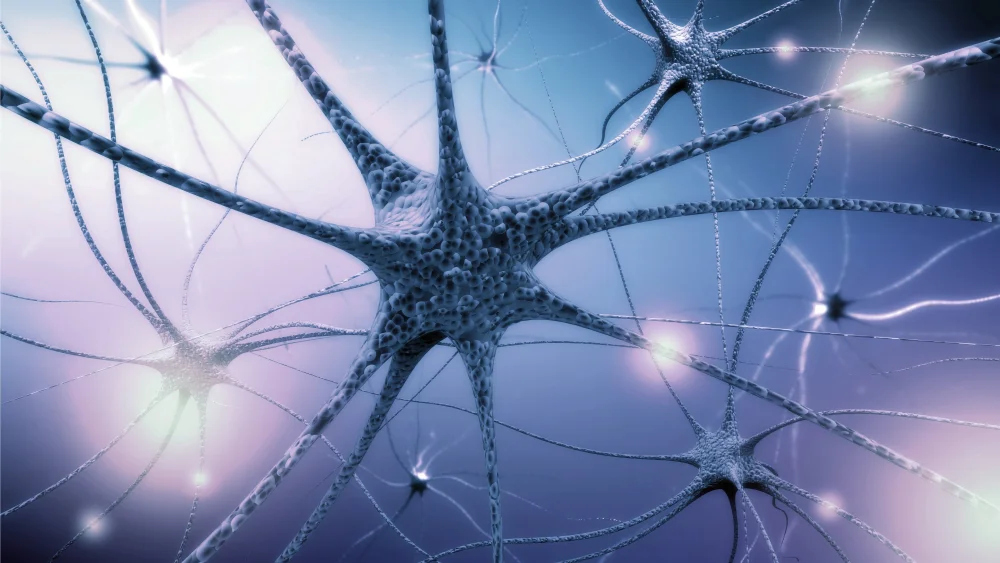

The autonomic nervous system (ANS) plays a vital role in everyday health. It controls involuntary functions such as heart rate, digestion, breathing, and blood pressure. Because these processes run automatically, we often overlook how important balance within the ANS truly is.
The ANS has two main branches: the sympathetic nervous system (SNS) and the parasympathetic nervous system (PNS). Together, they maintain balance, also known as homeostasis. However, modern stressors often disrupt this balance. When that happens, sympathetic activity increases while parasympathetic activity decreases. This imbalance, called dysautonomia, can lead to a wide range of symptoms.
As a holistic cardiologist, Dr. Cynthia Thaik helps patients understand how restoring ANS balance supports heart health and overall well-being. In this article, we explore how the SNS and PNS function, why balance matters, and how to rebalance the ANS through nutrition, movement, lifestyle changes, emotional health, and integrative therapies.
Understanding the Sympathetic and Parasympathetic Nervous Systems
Think of the ANS as your body’s internal autopilot. It constantly adjusts your internal state based on your environment.
The Sympathetic Nervous System (SNS)
The SNS triggers the well-known “fight or flight” response. It prepares the body to respond to stress or danger. When activated, the SNS releases adrenaline and noradrenaline. As a result, heart rate increases, pupils dilate, and blood flows to the muscles. At the same time, digestion slows.
This response helped our ancestors survive immediate threats. Today, however, chronic stress can keep the SNS activated for too long.
The Parasympathetic Nervous System (PNS)
In contrast, the PNS supports the “rest and digest” state. It slows the heart rate, supports digestion, and promotes healing. You can think of it as the body’s recovery system.
The PNS releases acetylcholine, a neurotransmitter that helps nerves communicate with muscles and organs. When the PNS dominates, the body relaxes, repairs itself, and conserves energy.
Dysautonomia: When Balance Is Lost
Ideally, the SNS and PNS work together. Unfortunately, chronic stress, poor diet, lack of movement, and emotional strain can disrupt this coordination. Over time, this imbalance leads to dysautonomia.
Common symptoms include dizziness, fatigue, digestive issues, sleep problems, and anxiety. One frequent sign is orthostatic intolerance, which causes lightheadedness when standing.
Dysautonomia can affect:
Blood pressure
Breathing
Digestion
Heart rate
Kidney function
Pupil response
Sexual function
Body temperature regulation
How to Rebalance the Autonomic Nervous System
Although ANS imbalance affects over 70 million people worldwide, many effective strategies can help restore function. A comprehensive approach works best. That approach includes nutrition, exercise, lifestyle habits, emotional health, and targeted therapies.
Nutrition and ANS Balance
Good nutrition lays the foundation for a healthy nervous system. What you eat directly affects both branches of the ANS.
Eat a balanced diet:
Choose whole foods such as fruits, vegetables, whole grains, lean proteins, and healthy fats. At the same time, limit processed foods, refined sugars, and unhealthy oils.
Limit stimulants:
Too much caffeine or sugar overstimulates the SNS. This overstimulation can raise anxiety, increase heart rate, and disrupt sleep.
Increase omega-3 fatty acids:
Foods like salmon, flaxseeds, chia seeds, and walnuts reduce inflammation and support ANS balance. Studies show omega-3s lower inflammatory markers such as CRP and IL-6.
Add magnesium-rich foods:
Magnesium supports muscle relaxation and nerve signaling. It also activates the PNS. Good sources include leafy greens, nuts, seeds, legumes, and whole grains.
Stay hydrated:
Water activates the parasympathetic nervous system. Aim to drink about 70% of your body weight in ounces per day.
Using Exercise to Support ANS Balance
Movement plays a powerful role in regulating the ANS.
Engage in moderate exercise:
Activities such as walking, swimming, yoga, and tai chi reduce sympathetic dominance. Aerobic exercise also improves heart rate variability (HRV), a key marker of ANS health.
Incorporate strength and flexibility training:
Resistance training supports muscle health and stability. Stretching reduces tension and encourages relaxation.
Practice deep breathing:
Slow, diaphragmatic breathing activates the vagus nerve and stimulates the PNS. As a result, the body shifts out of fight-or-flight mode.
Prioritize sleep:
Sleep allows the nervous system to reset. Poor sleep increases stress hormones and worsens ANS imbalance. Aim for at least eight hours of quality sleep each night.
Lifestyle Changes That Restore Balance
Small daily habits strongly influence ANS health.
Manage stress:
Mindfulness, meditation, breathing exercises, and time in nature reduce SNS activity. Research shows deep breathing lowers blood pressure and heart rate.
Build social connections:
Supportive relationships reduce stress and improve emotional well-being. Feeling understood and connected directly benefits nervous system regulation.
Limit screen time:
Excessive screen use increases stress and disrupts sleep. Avoid screens before bedtime to support nighttime recovery.
Emotions and the Autonomic Nervous System
Emotions and the ANS constantly influence each other. Therefore, emotional health is essential for nervous system balance.
Seek emotional support:
Therapy or counseling helps process emotions in a healthy way. Emotional awareness improves stress resilience.
Practice gratitude:
Gratitude boosts dopamine and serotonin. These neurotransmitters support motivation, pleasure, and emotional stability.
Engage in mindful practices:
Yoga and meditation increase parasympathetic activity and reduce sympathetic output. Studies confirm improvements in HRV and ANS balance.
Pharmacological and Integrative Therapies
In some cases, healthcare providers may recommend medications or integrative treatments.
Common Medications
Beta-blockers: Reduce the effects of adrenaline and lower sympathetic activity
Alpha-blockers: Promote blood vessel relaxation and lower blood pressure
Anticholinergics: Reduce parasympathetic activity in specific conditions
Always use medications under professional supervision.
Supplements That Support ANS Balance
Supplements can complement lifestyle changes.
Ashwagandha: Helps the body adapt to stress
L-theanine: Promotes calm and relaxation
Magnesium: Supports nerve and muscle function
Consult your healthcare provider before starting supplements, especially if you take medications.
Osteopathic and Chiropractic Care
Manual therapies may improve nervous system signaling by correcting structural imbalances.
They may help with:
Always choose licensed and experienced practitioners.
Energy Medicine Approaches
Some people find benefit from complementary energy-based therapies.
Acupuncture: Research shows improvements in ANS function
Reiki: Activates the parasympathetic nervous system and lowers cortisol
These approaches work best alongside conventional care.
A Holistic Path to ANS Balance
The autonomic nervous system influences nearly every aspect of health. Fortunately, a holistic approach can restore balance and resilience. Nutrition, movement, stress management, emotional health, and integrative therapies work together to support healing.
Dr. Cynthia Thaik, MD, is a Harvard-trained holistic cardiologist who helps patients replace stress and fear with calm and confidence. Through education and compassionate care, she empowers patients to heal their hearts and lives. Holistic Healing Heart Center in Burbank, CA, has helped thousands improve their health by transforming how they think, feel, and act.
If you suspect autonomic nervous system imbalance, contact Holistic Healing Heart Center to schedule a consultation.