We have moved to
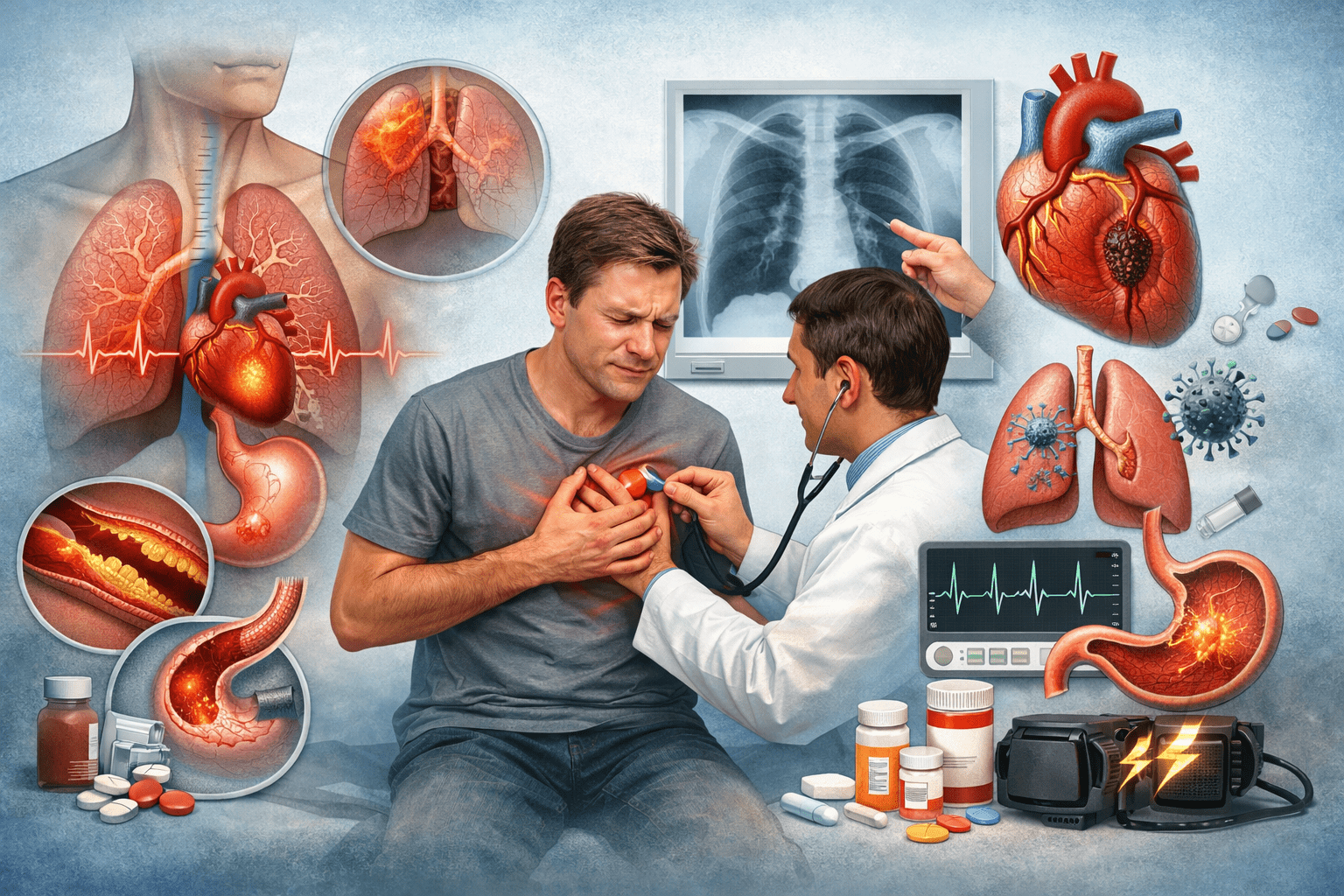

This Clinical Guide to Chest Pain provides a comprehensive, physician-led overview of chest pain causes, diagnostic strategies, and evidence-based treatment options. Chest pain is a common yet potentially life-threatening symptom that can originate from the heart, lungs, digestive system, or musculoskeletal structures. While some cases are benign, others—such as those linked to coronary artery disease—require urgent medical attention. Understanding how chest pain is evaluated and treated is essential for early intervention, accurate diagnosis, and long-term heart health.
This comprehensive clinical guide is designed to help patients and caregivers recognize chest pain symptoms, understand when to seek emergency care, and explore advanced cardiac services available for accurate diagnosis and effective treatment.
Understanding Chest Pain
Chest pain refers to discomfort or pain felt anywhere along the front of the body between the neck and upper abdomen. The sensation can vary widely—from sharp or stabbing pain to dull pressure or tightness. Because the chest houses vital organs including the heart, lungs, and esophagus, chest pain should never be ignored.
Common Descriptions of Chest Pain
- Tightness or squeezing sensation
- Burning or aching pain
- Sharp or stabbing discomfort
- Pressure that radiates to the arms, neck, jaw, or back
- Pain associated with shortness of breath, sweating, or nausea
Each of these characteristics can help healthcare providers determine whether the cause is cardiac or non-cardiac.
Causes of Chest Pain
Chest pain can originate from multiple systems in the body. Below are the most common categories:
1. Cardiac Causes of Chest Pain
Cardiac-related chest pain is the most concerning and requires immediate medical evaluation.
Coronary Artery Disease (CAD)
Coronary artery disease is the leading cause of heart-related chest pain. It occurs when plaque buildup narrows the coronary arteries, reducing blood flow to the heart muscle.
Symptoms may include:
- Pressure or heaviness in the chest
- Pain triggered by physical activity or stress
- Relief with rest or medication
Angina
Angina is chest pain caused by reduced blood flow to the heart. It can be:
- Stable angina: Predictable and activity-related
- Unstable angina: Occurs at rest and signals a medical emergency
Heart Attack (Myocardial Infarction)
A heart attack occurs when blood flow to the heart is completely blocked. This is a life-threatening emergency requiring immediate intervention.
Warning signs include:
- Severe chest pain lasting more than a few minutes
- Pain spreading to arms or jaw
- Cold sweats, dizziness, or nausea
2. Pulmonary Causes
Conditions involving the lungs can also cause chest pain.
Pulmonary Embolism
A blood clot in the lungs can cause sudden, sharp chest pain and difficulty breathing.
Pneumonia or Pleuritis
Inflammation of lung tissue or the lining around the lungs can cause pain that worsens with breathing or coughing.
3. Gastrointestinal Causes
Digestive issues frequently mimic heart-related chest pain.
Acid Reflux (GERD)
Burning chest pain after meals or while lying down may be due to acid reflux.
Esophageal Spasms
Pain caused by abnormal contractions of the esophagus can closely resemble angina.
4. Musculoskeletal Causes
Pain originating from muscles, bones, or joints is often less serious but still uncomfortable.
- Costochondritis (inflammation of rib cartilage)
- Muscle strain
- Rib fractures
This type of chest pain typically worsens with movement or pressure.
When to Seek Immediate Medical Care
Seek emergency care if chest pain is accompanied by:
- Shortness of breath
- Fainting or dizziness
- Rapid or irregular heartbeat
- Sweating or nausea
- Pain radiating to arms, back, or jaw
Prompt diagnosis can be lifesaving, especially in cases of coronary artery disease or heart attack.
Diagnostic Approach to Chest Pain
Accurate diagnosis is essential for proper treatment. Physicians use a systematic approach to identify the underlying cause.
1. Medical History and Physical Examination
Your doctor will evaluate:
- Nature and duration of chest pain
- Triggers and relieving factors
- Personal and family history of heart disease
- Risk factors such as diabetes, hypertension, or smoking
2. Diagnostic Tests
Electrocardiogram (ECG)
Measures electrical activity of the heart and detects abnormalities.
Blood Tests
Cardiac enzymes help determine if heart muscle damage has occurred.
Stress Testing
Evaluates heart function during physical exertion.
Echocardiogram
Uses ultrasound to assess heart structure and function.
Coronary Angiography
Provides detailed imaging of coronary arteries to diagnose coronary artery disease.
These advanced diagnostic tools are part of comprehensive cardiac services offered by specialized heart clinics.
Treatment Options for Chest Pain
Treatment depends on the underlying cause and severity.
Cardiac Treatments
Medications
- Antiplatelets (aspirin)
- Beta-blockers
- Nitrates
- Statins
Interventional Procedures
- Angioplasty and stent placement
- Coronary artery bypass grafting (CABG)
Lifestyle Modifications
- Heart-healthy diet
- Regular exercise
- Stress management
- Smoking cessation
Non-Cardiac Treatments
- Acid-reducing medications for GERD
- Anti-inflammatory drugs for musculoskeletal pain
- Antibiotics for infections
Importance of Specialized Cardiac Services
Access to expert cardiac services ensures:
- Accurate diagnosis
- Personalized treatment plans
- Advanced imaging and interventional care
- Long-term heart health management
Patients benefit from coordinated care led by experienced cardiologists who follow evidence-based guidelines.
Prevention and Risk Reduction
Preventing chest pain related to heart disease involves addressing risk factors early.
Key Preventive Strategies
- Maintain healthy blood pressure and cholesterol levels
- Control diabetes
- Exercise regularly
- Eat a balanced, low-fat diet
- Schedule regular cardiac evaluations
Early screening for coronary artery disease significantly reduces complications.
When to Book an Appointment
If you experience recurring chest pain, unexplained discomfort, or have risk factors for heart disease, don’t wait.
Book an Appointment with a qualified cardiac specialist to receive timely evaluation and expert care.
Early intervention saves lives and improves long-term outcomes.
Frequently Asked Questions
Is all chest pain related to the heart?
No. While heart-related causes are serious, many cases stem from gastrointestinal or musculoskeletal issues.
How can I tell if chest pain is serious?
Any new, severe, or unexplained chest pain should be evaluated immediately.
Can coronary artery disease be reversed?
While not fully reversible, lifestyle changes and treatment can slow progression and improve quality of life.
Final Thoughts
Chest pain should never be ignored. Whether it is caused by coronary artery disease, lung conditions, or digestive issues, timely diagnosis and appropriate treatment are critical. With access to comprehensive cardiac services, patients can receive expert care tailored to their individual needs.
If you or a loved one is experiencing chest pain or has concerns about heart health, Book an Appointment today and take the first step toward peace of mind and better cardiovascular health.