We have moved to
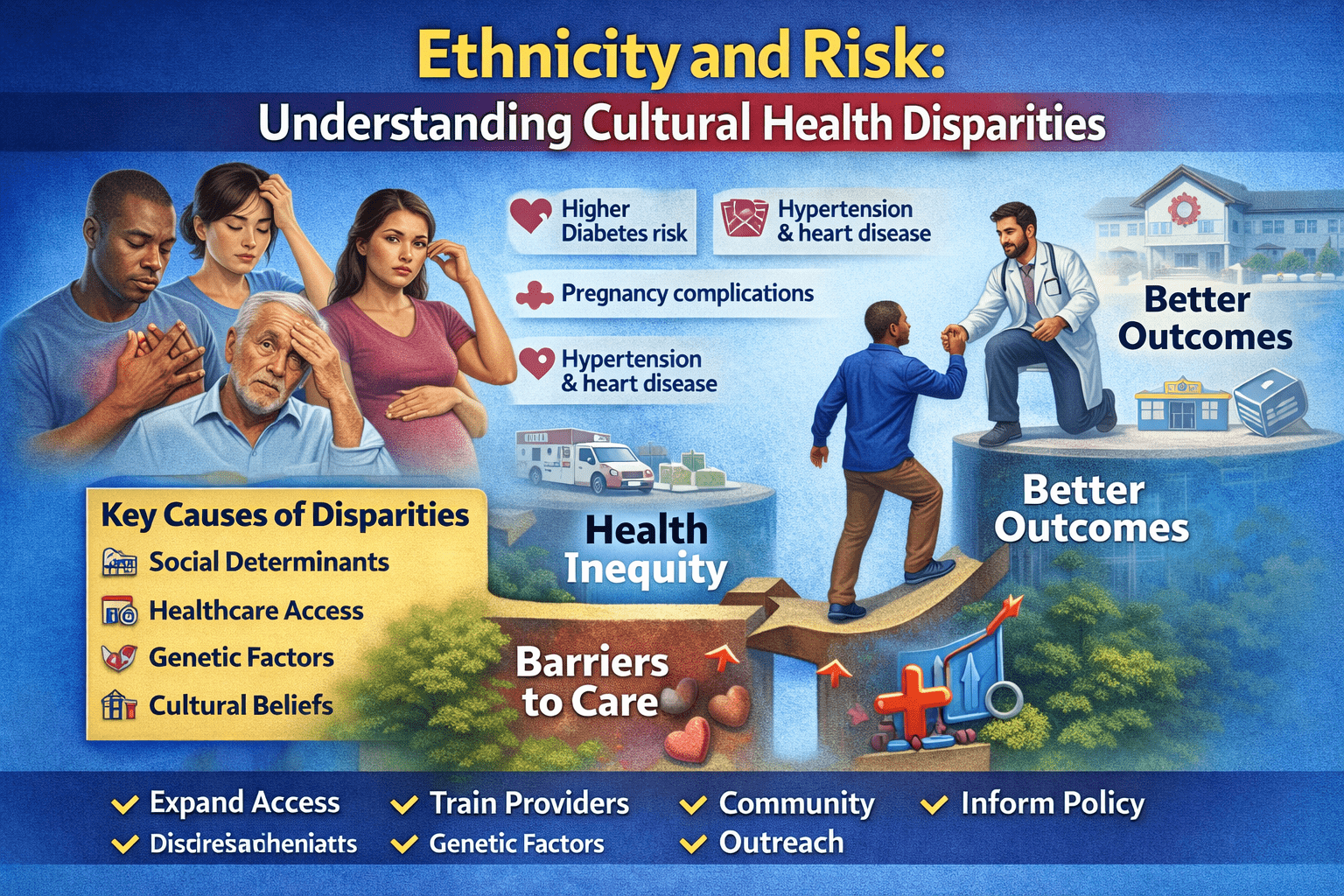

Health is often viewed as a personal responsibility—diet, exercise, and lifestyle choices. But a growing body of research shows that health outcomes are also deeply influenced by ethnicity, culture, and social conditions. These differences, known as health disparities, can affect everything from disease risk to access to care.
Understanding these disparities is essential—not just for healthcare professionals, but for individuals and communities aiming to improve overall well-being.
What Are Cultural Health Disparities?
Cultural health disparities refer to differences in health outcomes and access to healthcare among different ethnic and cultural groups. These differences are not simply genetic; they are shaped by a complex mix of:
- Socioeconomic status
- Cultural beliefs and practices
- Environmental factors
- Access to healthcare services
- Systemic inequalities
For example, some communities may have higher rates of chronic diseases, while others may face barriers in receiving timely medical treatment.
Book an appointment with Dr Cynthia Thaik
Why Ethnicity Matters in Health
Ethnicity can influence health in several important ways:
1. Genetic Predisposition
Certain ethnic groups may be more prone to specific health conditions. For instance, some populations have a higher risk of conditions like diabetes, hypertension, or certain blood disorders.
2. Cultural Practices
Diet, traditional remedies, and health beliefs vary across cultures. While many practices are beneficial, some may delay seeking medical care or conflict with modern treatments.
3. Language Barriers
Limited proficiency in a dominant language can make it harder to communicate symptoms, understand prescriptions, or navigate healthcare systems.
4. Trust in Healthcare Systems
Historical experiences and systemic bias can lead to mistrust, causing some communities to avoid or delay medical care.
Common Examples of Health Disparities
Health disparities appear across many conditions. Here are some widely observed patterns:
1- Cardiovascular Diseases
Some ethnic groups experience higher rates of heart disease and stroke. Factors include diet, stress, and limited access to preventive care.
2- Diabetes
Type 2 diabetes is more prevalent in certain populations, often linked to lifestyle, genetics, and socioeconomic factors.
3- Maternal and Infant Health
Disparities in maternal mortality and infant outcomes are significant across ethnic lines, often due to differences in healthcare access and quality.
4- Mental Health
Cultural stigma around mental health can prevent individuals from seeking help, leading to untreated conditions.
Social Determinants of Health
To truly understand cultural health disparities, we must look beyond biology. The social determinants of health—the conditions in which people live, work, and grow—play a major role.
Key Factors Include:
- Income and Education: Lower income often limits access to nutritious food and healthcare.
- Living Environment: Pollution, overcrowding, and unsafe housing can increase health risks.
- Employment Conditions: Job stress and lack of benefits impact physical and mental health.
- Access to Healthcare: Availability, affordability, and quality of services vary widely.
These factors often intersect, creating a cycle that reinforces inequality.
The Role of Cultural Beliefs
Culture shapes how people perceive illness and treatment. For example:
- Some communities prefer home remedies before seeking medical care
- Others may rely heavily on family or community advice
- Certain symptoms might be normalised and ignored
While cultural practices can provide comfort and identity, they can also delay diagnosis or treatment if not balanced with medical guidance.
Barriers to Healthcare Access
Despite advancements in medicine, many ethnic groups still face barriers such as:
- Lack of health insurance
- Geographic distance from healthcare facilities
- Discrimination or bias in medical settings
- Limited culturally competent care
These barriers can result in late diagnoses, poorer outcomes, and higher healthcare costs in the long run.
The Importance of Culturally Competent Care
Culturally competent care means understanding and respecting a patient’s cultural background while providing effective treatment.
Key Elements Include:
- Clear communication in the patient’s preferred language
- Respect for cultural beliefs and practices
- Awareness of biases in healthcare delivery
- Personalised care plans
When patients feel understood and respected, they are more likely to follow medical advice and maintain long-term health.
How Technology Is Helping Bridge the Gap
Modern technology is playing a growing role in reducing health disparities:
1- Telemedicine
Remote consultations make healthcare more accessible, especially in underserved areas.
2- AI and Data Analytics
Advanced tools can identify patterns in health disparities and help design targeted interventions.
3- Health Apps
Mobile apps provide education, reminders, and monitoring tools tailored to different populations.
However, digital access and literacy must also be addressed to ensure these solutions are inclusive.
What Can Individuals Do?
While systemic change is essential, individuals can take steps to improve their own health outcomes:
- Stay informed about family medical history
- Seek regular health check-ups
- Ask questions and clarify doubts during medical visits
- Balance cultural practices with evidence-based care
- Advocate for better healthcare access in your community
What Can Healthcare Systems Do?
Addressing cultural health disparities requires coordinated efforts:
1- Policy Changes
Governments must invest in equitable healthcare systems and address social determinants.
2- Community Engagement
Working with local leaders and organisations can improve awareness and trust.
3- Training Healthcare Providers
Education on cultural competence can reduce bias and improve patient outcomes.
4- Data Collection
Better data helps identify disparities and track progress over time.
Moving Toward Health Equity
Health equity means ensuring that everyone has a fair and just opportunity to be healthy. This goes beyond equal treatment—it requires addressing the root causes of inequality.
Efforts toward health equity include:
- Expanding access to affordable healthcare
- Improving education and awareness
- Reducing socioeconomic inequalities
- Promoting inclusive policies
Final Thoughts
Ethnicity and culture are powerful influences on health, shaping both risks and outcomes. Recognising and addressing cultural health disparities is not just a medical issue—it’s a social responsibility.
By understanding these differences, promoting culturally sensitive care, and advocating for systemic change, we can move closer to a world where quality healthcare is accessible to all—regardless of background.