We have moved to
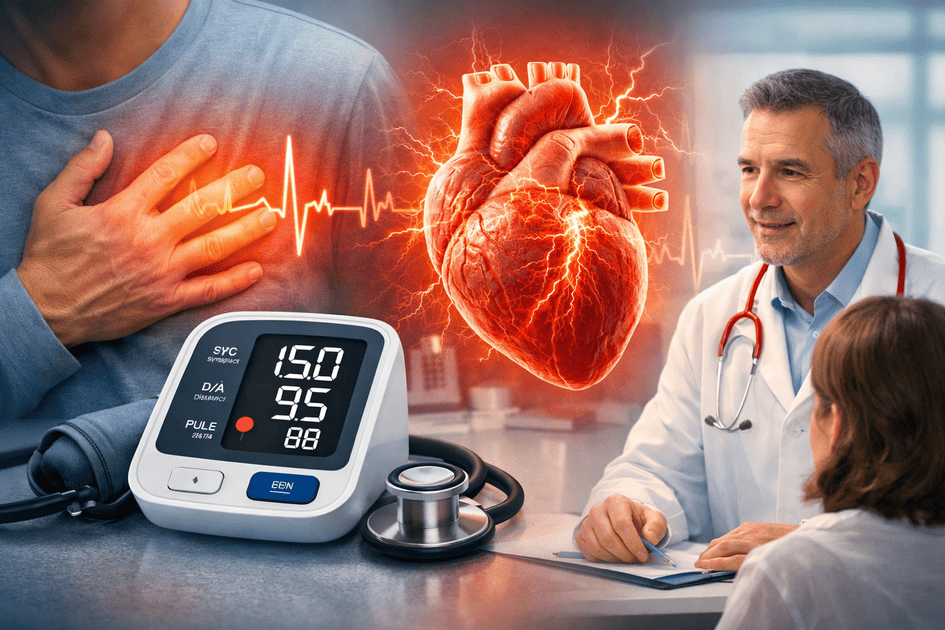

Heart palpitations can be unsettling. One moment you feel fine, and the next, your heart seems to flutter, race, skip, or pound for no obvious reason. For some people, it’s a brief annoyance. For others, it triggers real fear—especially when palpitations show up alongside dizziness, fatigue, or changes in blood pressure.
As a cardiologist with years of experience treating rhythm disorders, I’ve learned that most patients don’t just want reassurance—they want clarity. They want to understand why heart palpitations happen, how serious they may be, and what steps they can take to protect their heart health without unnecessary panic.
This guide breaks down heart palpitations in plain language, explores their connection to blood pressure, explains when to seek medical care, and reviews both medical and natural approaches—while staying grounded in evidence and real-world cardiology practice.
What Are Heart Palpitations, Really?
Heart palpitations are sensations of being aware of your heartbeat. Patients describe them in different ways:
- Fluttering or flip-flopping in the chest
- A racing or pounding heart
- Skipped or extra beats
- A sudden thump followed by a pause
Palpitations are not a diagnosis on their own. They’re a symptom—and that symptom can come from many different causes, ranging from harmless to serious.
The key is understanding context: how often they occur, how long they last, what triggers them, and whether they’re associated with other symptoms.
Common Causes of Heart Palpitations
1. Benign Rhythm Changes
Many heart palpitations are caused by premature beats—extra beats that originate in the atria (PACs) or ventricles (PVCs). These are extremely common and often show up during:
- Stress or anxiety
- Poor sleep
- Caffeine or alcohol intake
- Dehydration
In a structurally normal heart, these are usually harmless.
2. Blood Pressure Fluctuations
There is a strong relationship between heart palpitations and blood pressure, and it works both ways.
- High blood pressure forces the heart to work harder, which can irritate the heart’s electrical system over time.
- Low blood pressure can trigger palpitations as the body compensates by increasing heart rate.
Sudden spikes or drops in blood pressure—especially in people with autonomic dysfunction—can cause noticeable rhythm sensations.
3. Anxiety and Stress Responses
Anxiety doesn’t cause heart disease, but it can amplify awareness of normal heart rhythms or trigger adrenaline-driven palpitations.
That said, it’s a mistake to dismiss all palpitations as “just anxiety” without proper evaluation. Anxiety and heart rhythm issues often coexist—and one can worsen the other.
4. Hormonal Changes
Hormones play a significant role in heart rhythm regulation. Palpitations are common during:
- Perimenopause and menopause
- Pregnancy
- Thyroid disorders
Thyroid imbalance, in particular, is a frequent but overlooked cause of heart palpitations and abnormal blood pressure readings.
5. Arrhythmias That Need Attention
Some palpitations are caused by true arrhythmias, such as:
- Atrial fibrillation (AFib)
- Supraventricular tachycardia (SVT)
- Ventricular tachycardia
These conditions often require a cardiologist’s evaluation, especially if symptoms are persistent or worsening.
The Link Between Heart Palpitations and Blood Pressure
One of the most common questions patients ask is whether palpitations mean their blood pressure is out of control.
The answer is nuanced.
- Chronic high blood pressure can lead to heart muscle thickening, which increases the risk of rhythm disturbances.
- Blood pressure medications can sometimes trigger palpitations as a side effect.
- Sudden drops in blood pressure may cause reflex tachycardia, felt as pounding or racing.
Monitoring both heart rhythm and blood pressure together often provides more insight than looking at either alone.
Heart Palpitations and POTS
Patients with Postural Orthostatic Tachycardia Syndrome (POTS) frequently experience palpitations when standing, walking, or changing positions.
If you’re searching for a cardiologist for POTS, it’s important to work with someone who understands autonomic nervous system disorders—not just traditional heart disease.
POTS-related palpitations are usually tied to abnormal heart rate and blood pressure regulation rather than structural heart problems, but they still deserve careful evaluation.
When Are Heart Palpitations a Red Flag?
You should seek medical care promptly if palpitations occur with:
- Chest pain or pressure
- Shortness of breath
- Fainting or near-fainting
- New or worsening fatigue
- A history of heart disease or stroke
Even if symptoms are intermittent, recurrent palpitations should not be ignored.
How a Cardiologist Evaluates Heart Palpitations
A proper evaluation often includes:
- Detailed symptom history
- Blood pressure monitoring
- ECG or heart rhythm recording
- Holter or event monitor
- Blood tests (including thyroid levels)
In many cases, an online consultation cardiologist can be an excellent first step—especially if symptoms are sporadic or you live far from a specialist.
Virtual cardiology visits allow for timely guidance, test interpretation, and next-step planning without unnecessary delays.
Natural Remedies for AFib and Palpitations: What Actually Helps?
Many patients ask about natural remedies for AFib or ways to calm palpitations without medication. While no natural approach replaces medical care, some strategies can support heart rhythm stability.
Lifestyle Adjustments That Matter
- Reducing caffeine and alcohol
- Staying well-hydrated
- Prioritizing sleep quality
- Managing stress through breathing or mindfulness
These changes may sound simple, but they’re foundational—and often overlooked.
Nutritional Considerations
Electrolyte imbalances can contribute to palpitations. Adequate intake of:
- Magnesium
- Potassium (from food sources)
can be helpful for some individuals, though supplements should be used carefully and under guidance.
Weight and Blood Pressure Control
Maintaining a healthy weight and stable blood pressure reduces strain on the heart and lowers AFib recurrence risk.
What to Be Careful With
Not all “natural” supplements are safe for heart rhythm disorders. Some herbal products can actually worsen palpitations or interfere with medications.
Always discuss supplements with a cardiologist—especially if you have AFib or take blood pressure medication.
Online Consultation Cardiologist: Is It Enough?
For many patients, yes—at least initially.
An online consultation cardiologist can:
- Review symptoms and history
- Interpret heart rhythm recordings
- Adjust medications
- Recommend further testing
Virtual care works especially well for follow-ups, second opinions, and managing chronic conditions like palpitations, AFib, and POTS.
In-person care is still essential for certain tests and procedures, but online cardiology has become a trusted extension of modern heart care.
Living With Heart Palpitations Without Fear
One of the most important parts of treatment is education. When patients understand what’s happening in their body, palpitations lose much of their power.
Not every skipped beat is dangerous. Not every racing heart is a crisis. But persistent symptoms deserve thoughtful evaluation—not dismissal.
Final Thoughts
Heart palpitations sit at the crossroads of heart rhythm, blood pressure, hormones, and the nervous system. They’re common, complex, and highly individual.
Whether your palpitations are occasional or disruptive, the goal isn’t just to label them—it’s to understand their cause and address them in a way that fits your life.
If you’re experiencing ongoing palpitations, changes in blood pressure, or symptoms of AFib or POTS, consulting a cardiologist—online or in person—can bring clarity and peace of mind.
Your heart deserves informed, attentive care.