We have moved to
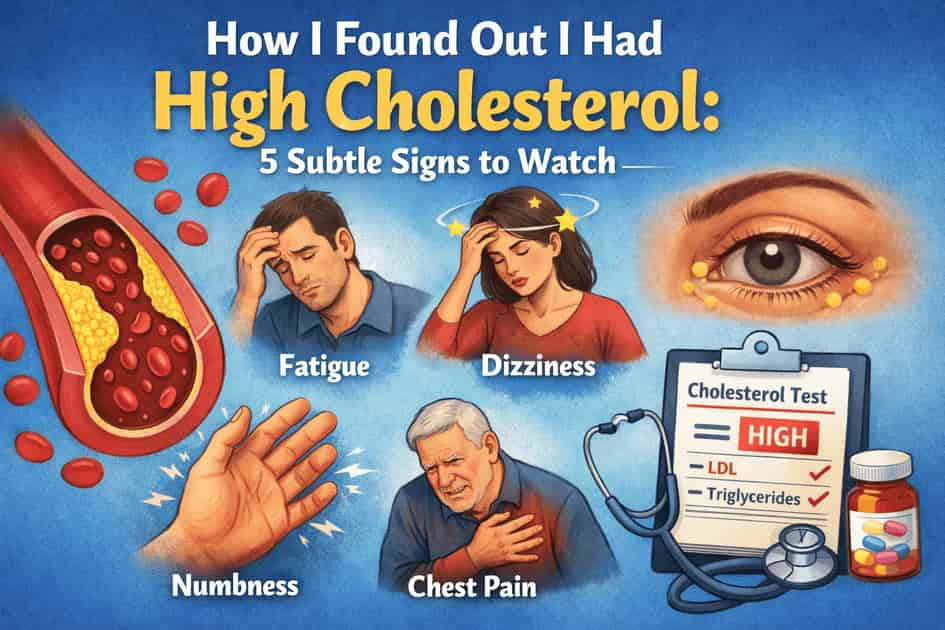

Most people assume high cholesterol comes with obvious warning signs. I used to believe the same. No pain, no fatigue, no problem — right?
Wrong.
The truth is, high cholesterol is often called a silent condition for a reason. It creeps in quietly, building plaque in arteries long before you feel anything unusual. That’s exactly what happened to me. I didn’t have dramatic symptoms. What I had were small, almost forgettable changes that only made sense after my diagnosis.
If you’ve ever brushed off minor health shifts thinking they’re “just stress” or “age,” this story might feel familiar. Let me walk you through the five subtle high cholesterol symptoms I ignored — and why catching them early can change everything.
Why High Cholesterol Often Goes Unnoticed
Before diving into the signs, it’s important to understand why this condition flies under the radar.
Cholesterol doesn’t cause immediate discomfort like infections or injuries. Instead, it slowly narrows blood vessels over time. By the time noticeable symptoms appear, complications like heart disease or stroke may already be developing.
That’s why awareness matters. Many people only discover their condition during routine blood tests or after a cardiac scare.
1. Persistent Fatigue That Didn’t Make Sense
One of the first changes I noticed was unexplained tiredness. Not the kind you feel after a long day — this was deeper. I’d wake up feeling okay but hit a wall by mid-afternoon.
At first, I blamed work stress and poor sleep. But fatigue can be one of the lesser-known high cholesterol symptoms. When arteries start narrowing, oxygen-rich blood struggles to circulate efficiently. Your body compensates, but the result is constant low energy.
If you feel drained despite good sleep and balanced meals, it may be worth checking your lipid profile.
2. Mild Chest Tightness During Stress
I never experienced dramatic chest pain. What I felt instead was occasional tightness during stressful situations — presentations, deadlines, arguments.
It was subtle enough to dismiss as anxiety. But mild chest discomfort can sometimes signal restricted blood flow to the heart, especially in people with elevated LDL levels.
Not every instance of chest tightness indicates a cardiac issue, but recurring episodes should never be ignored. Many cardiologists now recommend early evaluation rather than waiting for classic warning signs.
3. Shortness of Breath While Climbing Stairs
I used to be active, so this one surprised me.
Climbing stairs suddenly felt harder. Not impossible — just uncomfortable. I’d reach the top slightly breathless, needing a moment longer than usual to recover.
Shortness of breath can occur when plaque buildup limits circulation efficiency. Your lungs may be functioning fine, but your cardiovascular system struggles to keep up.
This is one of the most overlooked high cholesterol symptoms because people often attribute it to weight gain, aging, or lack of fitness.
4. Yellowish Bumps Near Eyes (Xanthelasma)
This was the sign that finally pushed me to get tested.
I noticed small, soft yellow patches near my eyelids. They didn’t hurt or itch, so I ignored them for months. Eventually, curiosity got the better of me.
These deposits, known medically as xanthelasma, are cholesterol-rich fatty accumulations under the skin. While not everyone with high cholesterol develops them, they’re a strong visual clue when they do appear.
Dermatologists often spot these before cardiologists do — which shows how interconnected our body systems really are.
5. Family History I Took Too Lightly
Looking back, the biggest red flag wasn’t physical at all — it was genetic.
Heart disease runs in my family. But like many people, I assumed lifestyle mattered more than inheritance. While diet and exercise are critical, genetics can significantly influence cholesterol levels.
If you have parents or siblings with heart conditions, you should monitor your cholesterol earlier than most. Early screening saves lives.
When Subtle Signs Add Up
Individually, none of these symptoms felt alarming. Together, they painted a clear picture.
That’s the tricky part about high cholesterol. It rarely screams for attention. Instead, it whispers — through fatigue, breathlessness, mild discomfort, and small physical clues.
Listening to those whispers can prevent long-term damage.
The Role of Early Screening
One lesson I wish I’d learned sooner is this: you don’t wait for symptoms to test cholesterol.
A simple blood test can reveal:
- LDL (bad cholesterol)
- HDL (good cholesterol)
- Triglycerides
- Total cholesterol levels
Preventive screenings are especially important after age 30, or earlier if you have risk factors like obesity, diabetes, or a sedentary lifestyle.
Today, access to a cardiologist online makes early consultation easier than ever. You no longer need to wait for a hospital visit to take your heart health seriously.
Lifestyle Changes That Made a Difference
After my diagnosis, I made gradual, sustainable changes rather than drastic ones. That approach helped me stick with them long-term.
1. Smarter Food Choices
I didn’t eliminate fats — I replaced unhealthy ones. More nuts, seeds, olive oil, and fiber-rich foods made a noticeable difference.
2. Daily Movement
Consistency mattered more than intensity. Even 30 minutes of brisk walking improved my stamina and energy levels.
3. Stress Management
Chronic stress affects cholesterol more than many people realize. Meditation and digital detox periods helped stabilize my overall health.
Can Natural Approaches Help?
Many readers ask whether lifestyle alone can manage cholesterol. The answer depends on severity, but natural strategies can play a powerful role.
Some people explore holistic methods that support heart health alongside medical care. For example:
- Diet-based approaches often overlap with strategies used as a natural cure blood pressure support system.
- Anti-inflammatory foods and omega-3 fatty acids can improve overall cardiovascular resilience.
- Certain herbal and dietary approaches are also discussed among people seeking remedies for atrial fibrillation, especially when managing broader heart health risks.
That said, natural methods should complement — not replace — professional medical advice.
Why Ignoring Symptoms Is Risky
Untreated high cholesterol can lead to:
- Coronary artery disease
- Heart attacks
- Stroke
- Peripheral artery disease
The scariest part? Many of these develop silently over years.
By the time severe symptoms appear, intervention becomes more complex. That’s why early awareness of high cholesterol symptoms is critical.
When to See a Specialist
You don’t need dramatic symptoms to seek help.
Consider speaking with a cardiologist if you notice:
- Persistent fatigue without cause
- Breathlessness during mild exertion
- Family history of heart disease
- Skin changes like xanthelasma
- Elevated cholesterol in past tests
Thanks to telehealth, consulting a cardiologist online is now simple and accessible. Early guidance can prevent complications and give you a personalized prevention plan.
My Biggest Takeaway
If there’s one thing I’ve learned, it’s this: subtle doesn’t mean harmless.
The body often signals problems quietly before serious disease develops. Paying attention to small shifts — energy levels, breathing patterns, skin changes — can save years of health complications.
High cholesterol isn’t just a number on a report. It’s a long-term risk factor that deserves attention even when you feel “fine.”
Final Thoughts
If you’re reading this and recognizing some of these signs, don’t panic — but don’t ignore them either.
Start with a simple lipid test. Talk to a qualified professional. Make small lifestyle adjustments that you can sustain.
Your future heart will thank you.
And if you’re unsure where to begin, consider reaching out to a trusted cardiologist online who can guide you through early detection, prevention strategies, and long-term heart health planning.
Because sometimes, the most dangerous symptoms are the quietest ones.