We have moved to
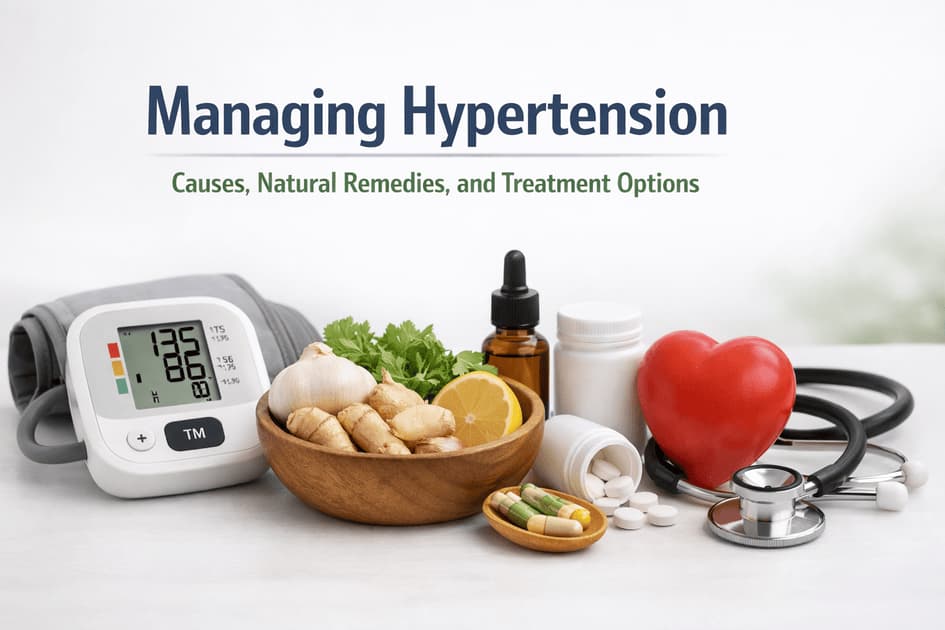

High blood pressure rarely announces itself. In fact, most people feel completely normal even as damage quietly builds inside their arteries. However, over time, this silent condition can strain the heart, weaken blood vessels, and significantly raise the risk of stroke and heart disease. That’s exactly why understanding effective high blood pressure treatment options matters so much.
After more than a decade writing in the health space and working alongside clinicians and wellness experts, one thing is clear: hypertension management isn’t about quick fixes. Instead, it’s about informed decisions, steady habits, and consistent medical guidance.
What Is Hypertension?
Hypertension, or high blood pressure, occurs when the force of blood against artery walls stays consistently elevated. Typically, a healthy reading sits around 120/80 mmHg. However, when numbers regularly exceed 130/80 mmHg, doctors begin to classify it as hypertension.
At first, the condition may seem harmless. Nevertheless, prolonged pressure gradually damages arteries and forces the heart to work harder than intended. Consequently, hypertension has earned its reputation as a “silent killer.”
What Causes High Blood Pressure?
Rather than stemming from a single issue, hypertension usually develops from a mix of factors. In many cases, lifestyle plays a central role. However, genetics and underlying health conditions can contribute just as strongly.
Lifestyle Factors
For example:
- High sodium intake
- Physical inactivity
- Chronic stress
- Smoking
- Excess alcohol consumption
Medical Contributors
Meanwhile, certain conditions increase risk:
- Kidney disease
- Diabetes
- Thyroid imbalances
- Sleep apnea
Age and Genetics
Additionally, aging naturally stiffens arteries. Similarly, a family history of hypertension can make prevention more challenging.
Because causes vary, choosing the right high blood pressure treatment approach requires personalized care.
Why Early Treatment Matters
Many people delay treatment simply because they feel fine. However, untreated hypertension can quietly lead to serious complications. Over time, the risk of heart attack, stroke, kidney disease, and even vision problems rises dramatically.
On the other hand, early intervention changes the trajectory entirely. With the right plan, long-term damage can often be prevented or significantly reduced.
High Blood Pressure Treatment: Medical Options
When lifestyle changes alone aren’t enough, medical therapy becomes essential. Fortunately, modern cardiology offers several safe and effective treatments.
Diuretics
First, diuretics help eliminate excess sodium and fluid. As a result, blood volume decreases and pressure drops.
ACE Inhibitors
Next, ACE inhibitors relax blood vessels by blocking hormones that cause narrowing. Consequently, circulation improves.
Calcium Channel Blockers
Similarly, these medications prevent calcium from entering heart and vessel cells, allowing arteries to stay relaxed.
Beta-Blockers
Finally, beta-blockers reduce heart rate and contraction force, which lowers overall pressure.
Importantly, treatment is never one-size-fits-all. Cardiologists tailor medications based on age, risk profile, and overall health.
One physician widely recognized for this comprehensive approach is Dr. Cynthia Thaik. She consistently emphasizes blending medical therapy with lifestyle guidance, ensuring patients feel informed rather than overwhelmed.
Is There a Natural Cure Blood Pressure Patients Can Trust?
This question comes up frequently. Naturally, many people hope for a complete natural cure blood pressure solution. However, the reality is more nuanced.
While lifestyle changes can dramatically improve numbers, hypertension is typically managed rather than permanently cured. That said, natural strategies can still be incredibly powerful—especially in early stages.
In some cases, patients even reduce medication needs through consistent lifestyle improvements. Nevertheless, medical supervision remains essential.
Proven Hypertension Home Remedy Strategies
If you’re exploring a hypertension home remedy, it’s important to focus on methods backed by real evidence. Thankfully, several natural strategies consistently deliver results.
Reduce Sodium Intake
To begin with, sodium reduction is one of the fastest ways to lower blood pressure. Since processed foods contain hidden salt, cooking at home makes a major difference.
Increase Potassium
Meanwhile, potassium helps balance sodium levels. Therefore, foods like bananas, spinach, avocados, and beans are highly beneficial.
Follow the DASH Diet
In addition, the DASH diet remains one of the most researched heart-friendly eating plans. It emphasizes:
- Fruits and vegetables
- Whole grains
- Lean proteins
- Low-fat dairy
As a result, many people see measurable improvements within weeks.
Exercise Consistently
You don’t need intense workouts. Instead, moderate activity—like brisk walking—can lower systolic pressure significantly. Over time, consistency matters more than intensity.
Manage Stress
Chronic stress raises cortisol and adrenaline. Consequently, blood pressure rises. Practices like meditation, yoga, and deep breathing help restore balance.
Maintain a Healthy Weight
Even modest weight loss creates noticeable improvements. In fact, losing just 5–10 pounds can reduce cardiovascular strain.
Avoid Smoking and Limit Alcohol
Finally, reducing harmful habits strengthens blood vessels and supports any high blood pressure treatment plan.
The Rise of Holistic Heart Care
In recent years, more patients have begun seeking holistic care. Rather than focusing solely on prescriptions, they want guidance on sleep, nutrition, and emotional well-being.
Importantly, holistic care doesn’t replace medical treatment. Instead, it complements it. By combining both approaches, patients often achieve more sustainable results.
For many individuals, blending medication with a structured hypertension home remedy routine offers the best long-term control.
Can Lifestyle Changes Replace Medication?
This depends largely on severity.
- Elevated or Stage 1: Lifestyle changes may be sufficient.
- Stage 2 or higher: Medication is usually necessary.
However, stopping medication without supervision can be dangerous. Blood pressure may rebound quickly, increasing stroke risk.
Therefore, the smartest strategy isn’t choosing between natural and medical solutions. Instead, it’s integrating both under professional guidance.
Monitoring Blood Pressure at Home
Home monitoring plays a crucial role in modern hypertension care. Not only does it provide real-time feedback, but it also helps patients stay engaged.
For best results:
- Sit quietly before measuring
- Keep feet flat on the floor
- Avoid caffeine beforehand
- Measure at the same time daily
Over time, tracking patterns makes it easier to adjust your high blood pressure treatment plan.
When to See a Cardiologist
While primary care doctors manage many cases, certain situations require a specialist. For instance:
- Persistent high readings
- Chest discomfort or breathlessness
- Strong family history of heart disease
- Multiple risk factors
In these cases, expert evaluation can prevent complications and refine treatment.
Common Hypertension Myths
Despite widespread awareness, misconceptions still persist.
“I feel fine, so it’s harmless.”
However, most people experience no symptoms.
“Medication means failure.”
On the contrary, medication is simply a tool.
“There’s a guaranteed natural cure for blood pressure fix.”
Unfortunately, no universal cure exists.
“Only older adults get it.”
Increasingly, younger adults are affected due to stress and lifestyle changes.
Building a Sustainable Routine
Long-term success rarely comes from motivation alone. Instead, structure makes the difference.
For example:
- Plan meals weekly
- Schedule workouts
- Track readings regularly
- Prioritize sleep
Over time, these systems create stability. Ultimately, consistency always beats intensity.
The Emotional Side of Hypertension
Living with a chronic condition can feel stressful. Ironically, anxiety about readings can raise blood pressure further. Therefore, emotional support plays a key role in successful management.
Patients benefit from:
- Clear education
- Realistic expectations
- Compassionate care
- Family support
When people understand their condition, fear gradually gives way to confidence.
Long-Term Outlook
The good news is encouraging. Compared to many chronic illnesses, hypertension is highly manageable.
With the right combination of:
- Medication when necessary
- A structured hypertension home remedy plan
- Consistent monitoring
- Professional guidance
Most individuals live long, active lives without major complications.
Final Thoughts
Managing hypertension isn’t about chasing miracle cures. Instead, it’s about steady progress and informed choices. While the idea of a permanent natural cure blood pressure solution is appealing, sustainable control usually comes from balance.
Ultimately, effective high blood pressure treatment blends modern medicine with intentional lifestyle changes. Together, they create a powerful defense against long-term heart disease.
If your numbers are rising—or you’ve recently been diagnosed—don’t wait. Small changes today can protect your heart for decades to come.
Because when it comes to blood pressure, consistency isn’t just helpful—it’s lifesaving.