We have moved to
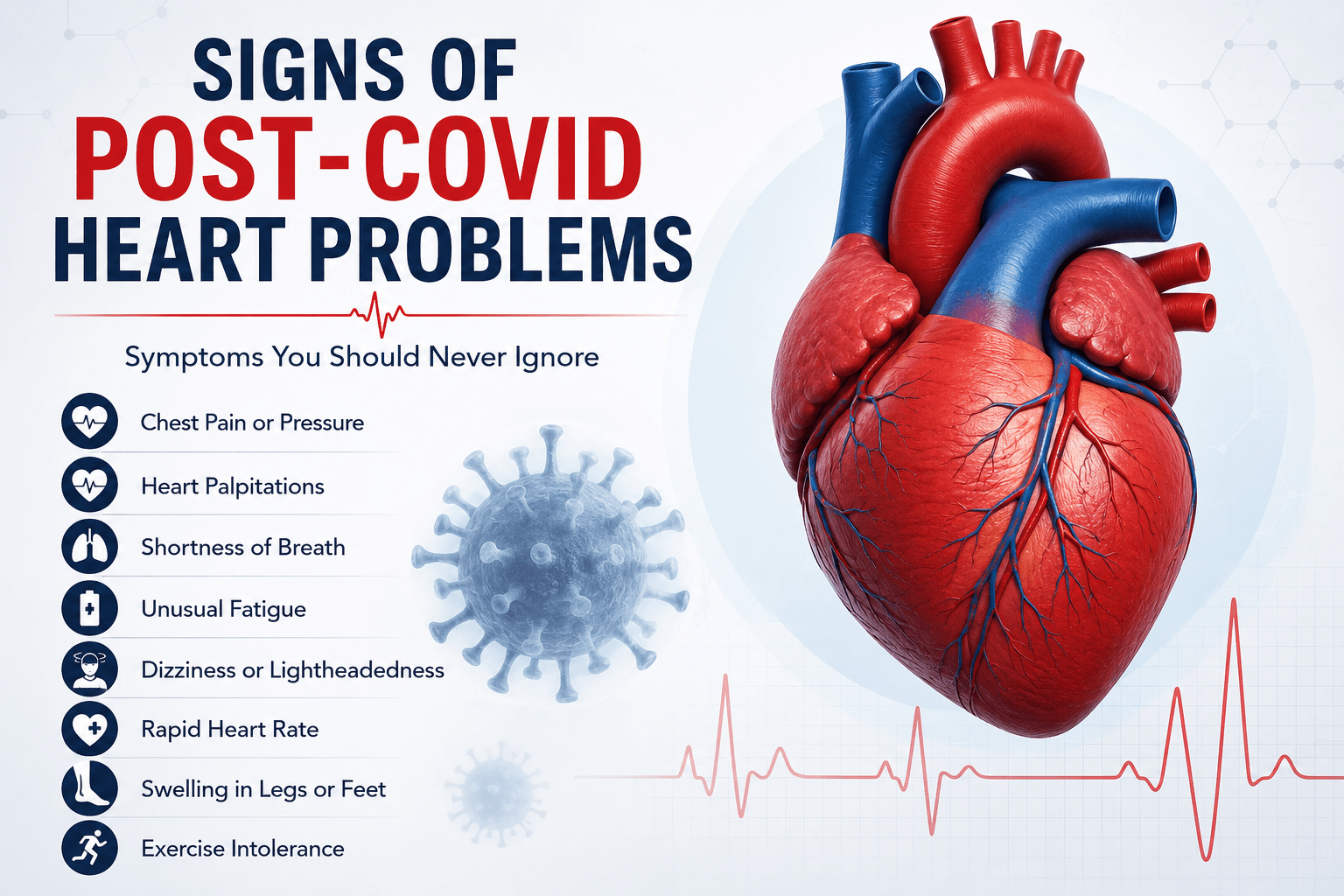

Although most people recover completely from COVID-19, some continue to experience lingering health issues weeks or even months later. Among the most concerning are signs of post-COVID heart problems, which can affect people regardless of age or whether their initial illness was mild or severe.
COVID-19 doesn’t only affect the lungs—it can also impact the heart and blood vessels. Inflammation, immune system responses, and blood clotting changes triggered by the virus may contribute to long-term cardiovascular complications.
Recognizing these warning signs early can help prevent serious complications and improve recovery. In this guide, we’ll explain the symptoms, possible causes, treatment options, and when you should see a cardiologist.
Also Read – How to Recognize Woman High Cholesterol Symptoms
Can COVID-19 Affect the Heart?
Yes. Research has shown that COVID-19 can temporarily or, in some cases, permanently affect the cardiovascular system.
The virus may lead to:
- Heart muscle inflammation (myocarditis)
- Inflammation around the heart (pericarditis)
- Heart rhythm abnormalities (arrhythmias)
- Blood clot formation
- Worsening of existing heart disease
- Damage to blood vessels
- Reduced heart pumping function
Some people notice symptoms immediately after infection, while others develop them several weeks or months later as part of Long COVID.
Also Read – What Are the Best Over-the-Counter Medications for Chest Pain Relief?
Common Signs of Post-COVID Heart Problems
1. Chest Pain or Chest Pressure
Persistent chest discomfort is one of the most common warning signs.
The pain may feel:
- Sharp
- Tight
- Burning
- Heavy
- Pressure-like
Chest pain should never be ignored, especially if it occurs during physical activity or is accompanied by shortness of breath.
2. Heart Palpitations
Many patients recovering from COVID-19 report feeling:
- Racing heartbeat
- Skipped beats
- Fluttering sensations
- Irregular heartbeat
These symptoms may result from inflammation, autonomic nervous system dysfunction, dehydration, or underlying arrhythmias.
3. Shortness of Breath
Feeling breathless during routine activities that were previously easy may indicate:
- Reduced heart function
- Heart inflammation
- Fluid accumulation
- Reduced oxygen delivery
Shortness of breath that continues weeks after COVID deserves medical evaluation.
4. Unusual Fatigue
Persistent exhaustion is one of the hallmark symptoms of Long COVID.
However, when fatigue is accompanied by:
- Chest discomfort
- Palpitations
- Dizziness
- Exercise intolerance
it may suggest underlying cardiovascular involvement.
5. Dizziness or Lightheadedness
Some patients develop problems regulating blood pressure after COVID.
Symptoms include:
- Feeling faint
- Blurred vision
- Lightheadedness
- Rapid heartbeat when standing
These symptoms may be related to autonomic dysfunction, including conditions such as Postural Orthostatic Tachycardia Syndrome (POTS).
6. Rapid Heart Rate
An elevated resting heart rate or sudden increases in heart rate during minimal activity may indicate:
- Inflammation
- Autonomic nervous system dysfunction
- Arrhythmias
- Recovery-related cardiovascular stress
If your heart rate remains unusually high for several days, seek medical advice.
7. Swelling in the Legs or Feet
Fluid retention may occur if the heart is not pumping efficiently.
Watch for:
- Swollen ankles
- Puffy feet
- Tight shoes
- Weight gain from fluid retention
These symptoms may indicate heart failure and require prompt evaluation.
8. Exercise Intolerance
If you become exhausted after activities that were once easy, your heart may not be functioning optimally.
Signs include:
- Fatigue after walking
- Needing frequent breaks
- Rapid heartbeat during mild activity
- Slow recovery after exercise
Gradual evaluation is important before returning to intense physical activity.
Why Do Heart Problems Develop After COVID?
Researchers believe several factors may contribute:
Inflammation
COVID-19 can trigger widespread inflammation throughout the body, including the heart muscle.
Blood Clotting
The virus may increase blood clot formation, affecting blood flow to the heart.
Immune Response
An overactive immune response may continue even after the infection resolves, damaging heart tissue.
Existing Heart Disease
Individuals with:
- High blood pressure
- Diabetes
- Obesity
- High cholesterol
- Coronary artery disease
are at higher risk of post-COVID cardiovascular complications.
Who Is Most at Risk?
Although anyone can develop heart complications after COVID, the risk is higher among:
- Adults over age 50
- People with existing cardiovascular disease
- Individuals with diabetes
- Patients with obesity
- Smokers
- Those hospitalized with COVID-19
- Individuals experiencing Long COVID symptoms
Even young, healthy adults can occasionally develop myocarditis or heart rhythm disorders after infection.
How Are Post-COVID Heart Problems Diagnosed?
A cardiologist may recommend:
- Electrocardiogram (ECG)
- Echocardiogram
- Blood tests
- Holter monitor
- Cardiac MRI
- Stress testing
- Chest imaging
These tests help identify inflammation, rhythm abnormalities, structural heart disease, or reduced heart function.
Treatment Options
Treatment depends on the underlying condition.
Your doctor may recommend:
Lifestyle Changes
- Heart-healthy nutrition
- Adequate hydration
- Quality sleep
- Stress management
- Smoking cessation
- Gradual return to exercise
Medications
Depending on the diagnosis, treatment may include medications for:
- Blood pressure
- Arrhythmias
- Heart failure
- Blood clot prevention
- Inflammation
Cardiac Rehabilitation
Structured rehabilitation programs help patients safely rebuild cardiovascular fitness after illness.
When Should You Seek Immediate Medical Care?
Go to the emergency department immediately if you experience:
- Severe chest pain
- Difficulty breathing
- Fainting
- Blue lips or fingertips
- Sudden weakness
- Confusion
- Persistent rapid heartbeat with dizziness
These symptoms may indicate a medical emergency.
Also Read – Coping With Flare-Ups: Managing POTS Symptoms on Tough Days
Can the Heart Recover After COVID?
The good news is that many people recover completely with appropriate care and monitoring.
Recovery depends on:
- The severity of heart involvement
- Early diagnosis
- Appropriate treatment
- Overall health
- Lifestyle habits
Regular follow-up with a cardiologist helps ensure safe recovery and reduces the risk of long-term complications.
Tips for Protecting Your Heart After COVID
- Resume exercise gradually.
- Stay hydrated.
- Follow a Mediterranean-style diet.
- Monitor your blood pressure and heart rate.
- Avoid smoking and excessive alcohol.
- Prioritize quality sleep.
- Manage stress through mindfulness or relaxation techniques.
- Keep follow-up appointments with your healthcare provider if symptoms persist.
Frequently Asked Questions (FAQs)
1. What are the most common signs of post-COVID heart problems?
Common symptoms include chest pain, heart palpitations, shortness of breath, fatigue, dizziness, rapid heart rate, swelling in the legs, and reduced exercise tolerance.
2. How long after COVID can heart problems appear?
Heart-related symptoms may develop during the infection, within a few weeks, or even several months later as part of Long COVID.
3. Can mild COVID-19 cause heart complications?
Yes. Even people with mild or asymptomatic COVID-19 can develop heart inflammation or rhythm disturbances, although the risk is generally lower than in severe cases.
4. When should I see a doctor after COVID?
Seek medical attention if you experience persistent chest pain, unexplained shortness of breath, frequent palpitations, dizziness, fainting, or worsening fatigue after recovering from COVID-19.
5. Can post-COVID heart problems be treated?
Yes. Many post-COVID heart conditions improve with early diagnosis, appropriate treatment, lifestyle changes, and regular follow-up with a cardiologist.