We have moved to
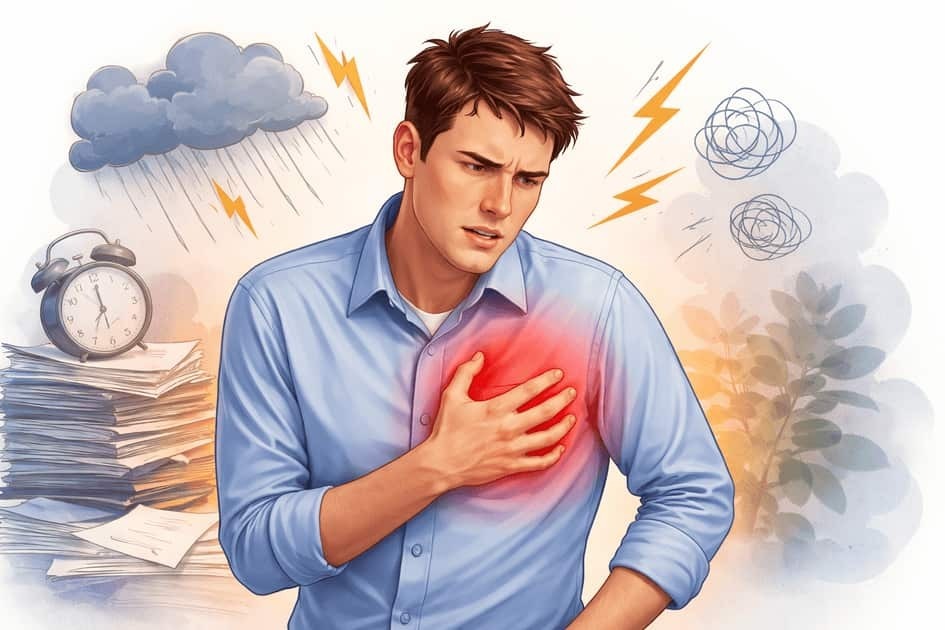

Chest pain especially on the left side can instantly trigger fear. Many people associate it with heart problems, but that’s not always the case. In fact, stress and anxiety are common causes of left-sided chest pain, and understanding this connection can help you respond calmly and correctly.
In this blog, we’ll explore how stress and anxiety can lead to chest pain, how to recognise the symptoms, and when you should seek medical help.
When you need comprehensive, personalized, and convenient cardiology services that attends to your unique needs, visit Dr. Cynthia Thaik and her team serving Los Angeles, Burbank, and Valencia.
Understanding Left Side Chest Pain
The left side of the chest houses vital organs like the heart, lungs, and muscles. Pain in this area can come from several sources, including:
- Heart-related issues
- Muscle strain
- Gas or digestive problems
- Lung conditions
- Stress and anxiety
While it’s important not to ignore chest pain, it’s equally important to know that not all chest pain is life-threatening.
For more information, read this blog: What Can Cause Chest Pain on the Left Side?
Can Stress or Anxiety Really Cause Chest Pain?
Yes, stress and anxiety can absolutely cause chest pain.
When you feel stressed or anxious, your body activates the “fight or flight” response. This natural reaction releases stress hormones like adrenaline, which can lead to physical symptoms, including:
- Tightness in the chest
- Sharp or stabbing pain
- Increased heart rate
- Rapid breathing
These symptoms can feel very similar to heart-related chest pain, which is why they are often confusing and scary.
How Anxiety Causes Left Side Chest Pain
Let’s break down how anxiety leads to chest discomfort:
1. Muscle Tension
Stress causes muscles to tighten, especially in the chest area. This tension can lead to pain that feels sharp or sore.
2. Rapid Breathing (Hyperventilation)
Anxiety often causes fast, shallow breathing. This can reduce oxygen balance in the body, leading to chest tightness and discomfort.
3. Increased Heart Activity
During anxiety, your heart beats faster. This can create a sensation of pressure or pain in the chest.
4. Digestive Issues
Stress can affect digestion, leading to gas or acid reflux, which can also cause pain on the left side of the chest.
Symptoms of Anxiety-Related Chest Pain
Anxiety-induced chest pain can vary from person to person, but common signs include:
- Sharp, stabbing pain
- A feeling of tightness or pressure
- Pain that worsens with stress
- Pain that comes and goes
- Accompanied by panic symptoms like sweating, dizziness, or shortness of breath
One key difference is that anxiety-related chest pain often improves when you relax.
How Is It Different from Heart-Related Chest Pain?
It’s important to distinguish between anxiety and heart-related chest pain.
Anxiety Chest Pain:
- Usually sharp or localised
- May last for a few seconds to minutes
- Often linked to stress or panic
- Improves with relaxation
Heart-Related Chest Pain:
- Feels like pressure, squeezing, or heaviness
- May spread to the arm, jaw, or back
- Often occurs during physical activity
- May be accompanied by nausea or sweating
However, these differences are not always clear. When in doubt, always seek medical advice.
When Should You See a Doctor?
Even though stress can cause chest pain, you should never ignore it.
Seek immediate medical help if you experience:
- Severe or persistent chest pain
- Pain spreading to the arm, neck, or jaw
- Difficulty breathing
- Sudden sweating or dizziness
- A history of heart problems
It’s always better to rule out serious conditions first.
How to Relieve Stress-Induced Chest Pain
If your chest pain is linked to stress or anxiety, there are several ways to manage and reduce it:
1. Practice Deep Breathing
Slow, deep breathing helps calm your nervous system and reduce chest tightness.
2. Relaxation Techniques
Try meditation, yoga, or mindfulness exercises to reduce stress levels.
3. Stay Physically Active
Regular exercise helps release tension and improve overall mental health.
4. Improve Sleep
Lack of sleep can increase anxiety. Aim for 7–8 hours of quality sleep.
5. Limit Caffeine
Too much caffeine can increase anxiety and worsen chest symptoms.
6. Talk About Your Feelings
Sharing your worries with a trusted person or therapist can significantly reduce stress.
Long-Term Management of Anxiety
If anxiety is causing frequent chest pain, consider long-term solutions:
- Cognitive Behavioural Therapy (CBT)
- Stress management programs
- Lifestyle changes
- Professional counseling
Managing anxiety not only reduces chest pain but also improves your overall quality of life.
Read our latest blog: https://shorturl.at/YqbGw
Can Lifestyle Changes Help?
Yes, lifestyle plays a major role in controlling stress and preventing anxiety-related chest pain.
Simple habits like:
- Eating a balanced diet
- Staying hydrated
- Avoiding smoking and alcohol
- Maintaining a routine
can make a big difference.
FAQs
1- Can anxiety chest pain last for days?
Yes, it can come and go over several days, especially during prolonged stress.
2- How do I know if my chest pain is anxiety or heart-related?
It’s best to consult a doctor, as symptoms can overlap.
3- Can panic attacks cause chest pain?
Yes, panic attacks often cause intense chest discomfort.
4- Is left-sided chest pain always serious?
Not always, but it should always be evaluated if persistent.
5- Can breathing exercises help with chest pain?
Yes, they are very effective for anxiety-related chest pain.
You can see this link for more information and get in touch with the doctor: https://g.co/kgs/yAfjNB9