We have moved to
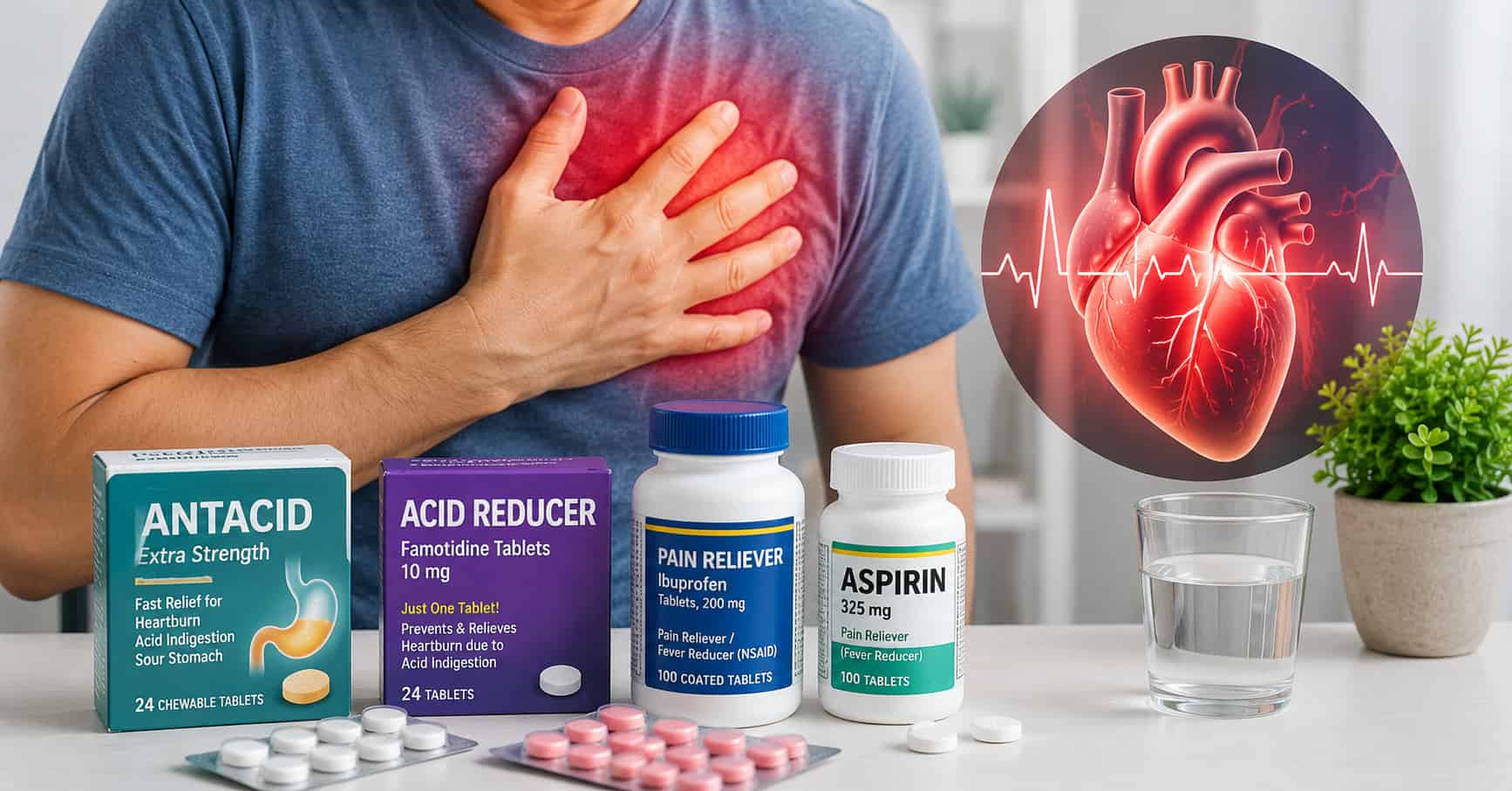

Chest pain can be alarming. Whether it feels like pressure, tightness, burning, or a sharp discomfort, it’s natural to wonder what’s causing it and how to find relief. Many people immediately look for over-the-counter (OTC) medications to ease symptoms, but understanding the source of chest pain is critical before taking any treatment.
The reality is that chest pain can stem from a wide range of conditions, including acid reflux, muscle strain, anxiety, respiratory infections, and heart-related issues. While some causes are relatively harmless, others require immediate medical attention.
In this guide, we’ll discuss the best over-the-counter medications for chest pain relief, explain when they may be appropriate, and outline when it’s time to seek evaluation from an experienced cardiologist. If you’re experiencing recurring symptoms, consulting a trusted cardiologist Burbank CA can help identify the underlying cause and ensure you receive the right treatment.
When you need comprehensive, personalized, and convenient cardiology services that attends to your unique needs, visit Dr. Cynthia Thaik and her team serving Los Angeles, Burbank, and Valencia.
Understanding Chest Pain Before Taking Medication
Before reaching for any medication, it’s important to understand that chest pain is a symptom not a diagnosis. In other words, the discomfort you’re experiencing could stem from several different conditions, some minor and others potentially life-threatening.
For example, common causes of chest pain include:
- Acid reflux and GERD
- Muscle strain or chest wall inflammation
- Anxiety and panic attacks
- Respiratory infections
- Costochondritis
- Coronary artery disease
- Heart attack
- Pericarditis
- Pulmonary embolism
Because heart-related chest pain can sometimes mimic indigestion or muscle discomfort, self-diagnosing can be risky. Therefore, any new, severe, or unexplained chest pain should be evaluated promptly by a healthcare professional.
Best Over-the-Counter Medications for Chest Pain Relief
The right OTC medication depends entirely on what’s causing the discomfort. Therefore, understanding the underlying cause is the first step toward effective treatment.
1. Antacids for Acid Reflux-Related Chest Pain
Many people experience chest pain caused by gastroesophageal reflux disease (GERD). Stomach acid can travel back into the esophagus, creating a burning sensation often mistaken for heart pain.
Common OTC antacids include:
- Calcium carbonate products
- Magnesium hydroxide products
- Aluminum hydroxide formulations
These medications work by neutralizing stomach acid and can provide rapid relief for heartburn-related discomfort.
However, if chest pain persists despite antacid use or occurs with exertion, it should not be assumed to be acid reflux.
2. H2 Blockers
For individuals with frequent acid-related symptoms, H2 blockers may help reduce acid production.
Examples include:
- Famotidine
- Cimetidine
These medications may provide longer-lasting relief than standard antacids and can be beneficial for chronic reflux sufferers.
3. Proton Pump Inhibitors (PPIs)
PPIs are often recommended for recurring GERD symptoms.
Examples include:
- Omeprazole
- Lansoprazole
These medications reduce acid production and may help prevent recurring episodes of chest discomfort related to reflux disease.
4. Nonsteroidal Anti-Inflammatory Drugs (NSAIDs)
When chest pain is caused by inflammation of muscles, joints, or cartilage, NSAIDs may help.
Common options include:
- Ibuprofen
- Naproxen sodium
These medications can be effective for:
- Costochondritis
- Muscle strain
- Minor chest wall injuries
However, NSAIDs should be used cautiously in individuals with cardiovascular disease because prolonged use may increase certain heart risks.
5. Acetaminophen
Acetaminophen may be a suitable option for mild chest discomfort associated with muscle soreness when anti-inflammatory medication isn’t appropriate.
While it can help reduce pain, it does not treat inflammation.
6. Aspirin: A Special Consideration
Aspirin occupies a unique place in chest pain management.
If a heart attack is suspected and emergency services have been contacted, chewing a regular aspirin may help reduce blood clot formation. However, aspirin should not be routinely taken for unexplained chest pain without medical guidance.
Recent cardiovascular guidelines emphasize that aspirin is not appropriate for everyone and may increase bleeding risks in some individuals.
Chest Pain Symptoms That Require Immediate Medical Attention
While OTC medications can provide relief for certain non-cardiac causes of chest pain, some symptoms should never be ignored.
Seek emergency care immediately if chest pain is accompanied by:
- Shortness of breath
- Pain spreading to the arm, jaw, neck, or back
- Nausea or vomiting
- Cold sweats
- Dizziness
- Fainting
- Severe pressure or squeezing sensations
- Rapid or irregular heartbeat
These symptoms may indicate a heart attack or other serious cardiovascular emergency.
Why Professional Evaluation Matters
One of the biggest mistakes people make is assuming that chest pain is simply indigestion or stress.
Heart disease remains one of the leading causes of death worldwide. Early diagnosis often makes the difference between successful treatment and serious complications.
An experienced cardiologist Burbank CA can perform advanced testing to determine whether symptoms are related to:
- Coronary artery disease
- Arrhythmias
- Heart valve disorders
- Pericarditis
- Structural heart conditions
Accurate diagnosis allows for targeted treatment rather than temporary symptom relief.
A Holistic Approach to Chest Pain and Heart Health
Many patients today are seeking comprehensive care that addresses more than just symptoms. This has led to growing interest in finding holistic cardiologists near me who integrate traditional cardiovascular medicine with lifestyle-focused strategies.
A holistic approach may include:
Nutrition Counseling
Heart-healthy nutrition plays a critical role in reducing cardiovascular risk.
Recommendations often include:
- Increasing fruits and vegetables
- Choosing lean protein sources
- Limiting processed foods
- Reducing excess sodium intake
- Managing cholesterol levels
Stress Management
Chronic stress can contribute to elevated blood pressure, inflammation, and cardiovascular strain.
Helpful techniques may include:
- Meditation
- Yoga
- Breathing exercises
- Mindfulness practices
Physical Activity
Regular movement supports:
- Healthy blood pressure
- Improved circulation
- Weight management
- Better heart function
Sleep Optimization
Poor sleep quality has been linked to increased cardiovascular risk factors, making adequate rest an essential component of heart health.
For individuals searching online for holistic cardiologists near me, finding a provider who combines evidence-based medicine with preventive wellness strategies can offer significant long-term benefits.
How Chest Pain Is Diagnosed
If chest pain becomes recurrent, a physician may recommend several diagnostic tests.
These may include:
Electrocardiogram (ECG)
Measures the heart’s electrical activity and helps detect rhythm abnormalities or signs of a heart attack.
Echocardiogram
Uses ultrasound technology to evaluate heart structure and function.
Stress Testing
Assesses how the heart performs during physical activity.
Coronary Calcium Scoring
Helps identify early plaque buildup within the coronary arteries.
Blood Tests
Can reveal markers associated with heart damage or inflammation.
A qualified cardiologist Burbank CA can determine which tests are appropriate based on your symptoms and medical history.
Preventing Future Episodes of Chest Pain
Preventive care remains one of the most effective ways to reduce recurring chest pain and protect cardiovascular health.
Key strategies include:
- Maintaining healthy blood pressure
- Managing cholesterol levels
- Avoiding tobacco products
- Exercising regularly
- Maintaining a healthy weight
- Managing diabetes effectively
- Following a heart-healthy diet
- Attending regular cardiovascular screenings
Patients who prioritize prevention often experience better long-term outcomes and improved quality of life.
Final Thoughts
Over-the-counter medications can sometimes help relieve chest pain caused by acid reflux, muscle strain, or minor inflammation. However, they should never be used as a substitute for proper medical evaluation when symptoms are persistent, severe, or unexplained.
Because chest pain can signal serious cardiovascular conditions, obtaining an accurate diagnosis is essential. Whether you’re seeking answers about recurring symptoms or looking for holistic cardiologists near me, working with an experienced heart specialist can provide peace of mind and potentially life-saving care.
If you are experiencing ongoing chest pain, consulting a trusted cardiologist Burbank CA can help identify the root cause and create a personalized treatment plan designed to support both immediate relief and long-term heart health.