We have moved to
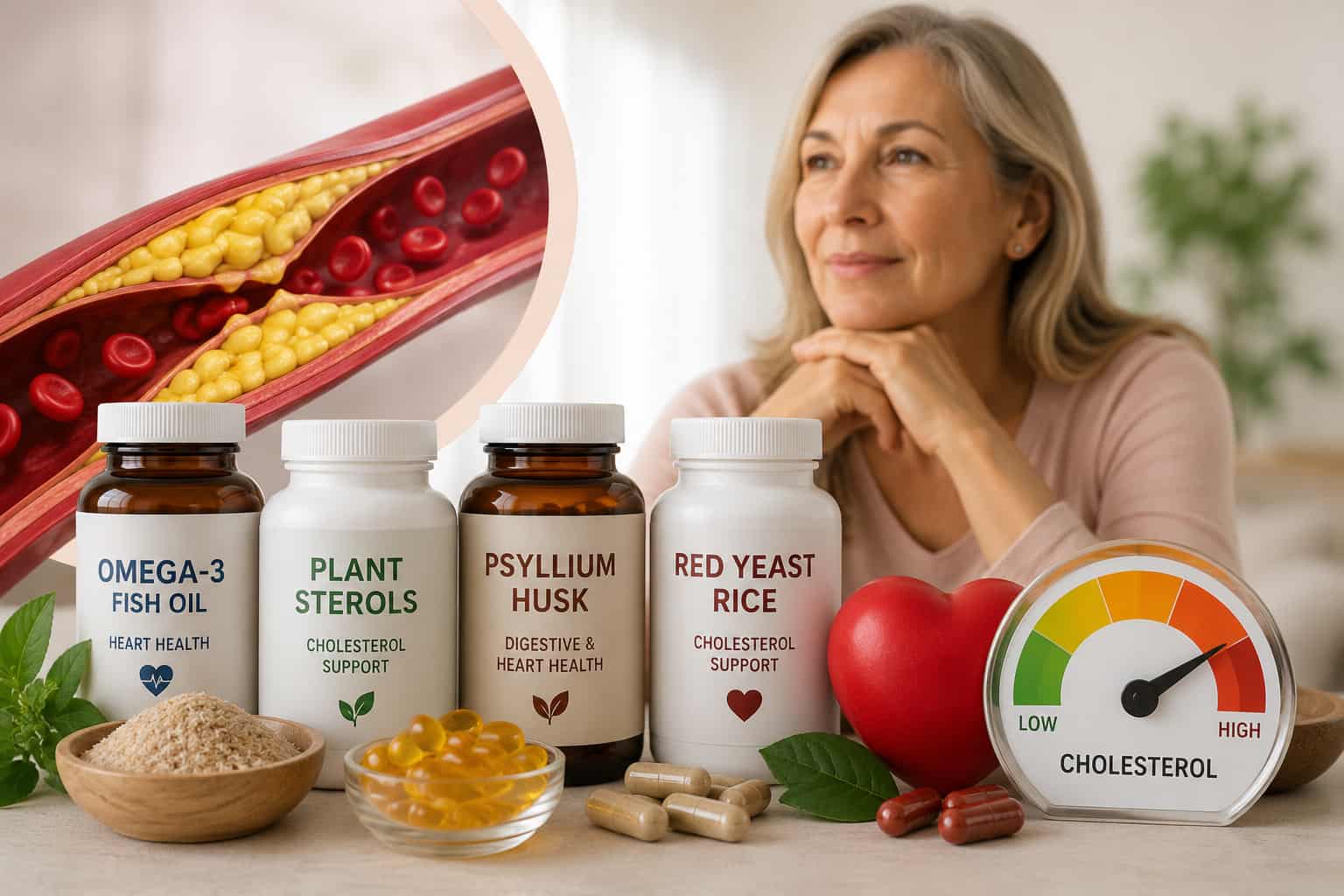

Many women search for supplements for high cholesterol in women after learning that elevated cholesterol levels can increase the risk of heart disease and stroke. While prescription medications remain an important treatment option for some individuals, certain over-the-counter supplements may offer additional support when combined with healthy lifestyle habits. Understanding what science says about these supplements can help women make informed decisions about their cardiovascular health.
Because of this, many women begin searching for natural ways to support healthy cholesterol levels, including over-the-counter supplements. While supplements can play a role in a heart-healthy lifestyle, it’s important to understand what science actually says about their effectiveness, safety, and limitations.
At the practice of Dr Cynthia Thaik, patient education is considered an essential part of preventive heart care. Understanding which supplements may help—and which may simply be marketing hype—can help women make informed decisions about their cardiovascular health.
Understanding Cholesterol and Women’s Heart Health
Cholesterol is a waxy substance found in the blood that helps build cells and produce hormones. The body naturally makes cholesterol, but it can also come from certain foods.
There are two main types:
- LDL (Low-Density Lipoprotein) – Often called “bad cholesterol”
- HDL (High-Density Lipoprotein) – Known as “good cholesterol”
When LDL cholesterol becomes too high, plaque can build up inside the arteries, increasing the risk of:
- Heart disease
- Heart attack
- Stroke
- Peripheral artery disease
Women face unique cholesterol-related challenges due to hormonal changes, especially during menopause. Declining estrogen levels can contribute to rising LDL cholesterol and lower HDL cholesterol, making heart health monitoring increasingly important with age.
Why Many Women Turn to Supplements
While prescription medications such as statins remain one of the most effective treatments for significantly elevated cholesterol levels, many women also explore supportive lifestyle strategies.
- Have mildly elevated cholesterol
- Want additional support alongside lifestyle changes
- Prefer a more natural approach
- Cannot tolerate certain medications
- Want preventive cardiovascular support
While supplements should never replace professional medical advice, some have demonstrated promising results in clinical research.
1. Plant Sterols and Plant Stanols
Among the most researched cholesterol-lowering supplements are plant sterols and plant stanols.
These naturally occurring compounds resemble cholesterol in structure and compete with cholesterol absorption in the digestive tract.
What Research Shows
Studies suggest that consuming adequate amounts of plant sterols may reduce LDL cholesterol by approximately 5% to 15%.
Potential Benefits
- Supports healthy LDL cholesterol levels
- Widely studied
- Generally well tolerated
- Available in supplements and fortified foods
Considerations
In addition, plant sterols tend to work best when combined with regular exercise, a heart-healthy diet, and healthy weight management.
2. Psyllium Husk
Psyllium is a soluble fiber commonly used for digestive health, but it may also benefit cholesterol levels.
When consumed regularly, psyllium forms a gel-like substance in the digestive tract that can help reduce cholesterol absorption.
Scientific Evidence
Research indicates that daily psyllium supplementation may modestly lower LDL cholesterol while supporting digestive regularity.
Additional Benefits
- Supports gut health
- Promotes feelings of fullness
- Helps maintain healthy blood sugar levels
Tips for Use
Always increase water intake when taking fiber supplements to avoid digestive discomfort.
3. Omega-3 Fatty Acids
Omega-3 fatty acids are among the most widely used heart supplements.
Common sources include:
- Fish oil
- Krill oil
- Algal oil
What Omega-3s Do
Omega-3 supplements are particularly effective for reducing elevated triglycerides rather than lowering LDL cholesterol.
They may also support:
- Heart rhythm stability
- Blood vessel function
- Overall cardiovascular health
Women and Omega-3s
Women who consume little fatty fish may benefit from discussing omega-3 supplementation with their healthcare provider.
4. Red Yeast Rice
Red yeast rice has attracted attention because it contains naturally occurring compounds similar to statin medications.
Potential Benefits
Some studies have found meaningful reductions in LDL cholesterol among users.
Important Safety Concerns
Unlike prescription medications, red yeast rice supplements can vary significantly in quality and potency.
Potential concerns include:
- Inconsistent active ingredients
- Possible muscle-related side effects
- Drug interactions
- Liver-related risks
Because of these concerns, professional guidance is strongly recommended before use.
5. Garlic Supplements
Garlic has been used medicinally for centuries and continues to be studied for heart benefits.
Research Findings
Evidence suggests garlic may provide modest improvements in cholesterol levels and blood pressure.
Additional Heart Health Benefits
Garlic may support:
- Healthy circulation
- Blood vessel function
- Antioxidant activity
Limitations
The cholesterol-lowering effect is generally mild and should not be viewed as a substitute for medical treatment when cholesterol levels are significantly elevated.
6. Flaxseed
Flaxseed contains both soluble fiber and omega-3 fatty acids, making it an attractive option for cardiovascular support.
Potential Benefits
Research suggests flaxseed may help:
- Lower LDL cholesterol
- Improve digestive health
- Support healthy inflammation levels
How to Use It
Ground flaxseed can easily be added to:
- Smoothies
- Yogurt
- Oatmeal
- Baked goods
Many women prefer this whole-food approach over capsules.
7. Berberine
Berberine is a plant-derived compound gaining popularity for metabolic and cardiovascular support.
What Studies Suggest
Research indicates berberine may help improve:
- Cholesterol levels
- Blood sugar regulation
- Insulin sensitivity
Important Considerations
Berberine can interact with medications, making medical supervision important before beginning supplementation.
8. Green Tea Extract
Green tea contains antioxidants called catechins that may support heart wellness.
Potential Effects
Some studies suggest green tea extract may contribute to:
- Lower LDL cholesterol
- Improved vascular function
- Reduced oxidative stress
Safety Note
High-dose extracts may affect liver health in some individuals, so choosing reputable products is essential.
Can Supplements Replace Cholesterol Medication?
This is one of the most common questions cardiologists hear.
The answer depends on several factors, including:
- Current cholesterol levels
- Family history
- Cardiovascular risk factors
- Existing heart disease
- Diabetes status
For women at high cardiovascular risk, supplements should not be considered a replacement for medically recommended treatment.
Instead, supplements may serve as part of a broader heart-health strategy that includes:
- Healthy nutrition
- Physical activity
- Stress management
- Regular medical monitoring
At Dr Cynthia Thaik’s practice, treatment recommendations are personalized to each patient’s health profile rather than relying on a one-size-fits-all approach.
Lifestyle Changes That Often Matter More Than Supplements
While supplements can be helpful, lifestyle changes consistently produce the most meaningful long-term improvements.
Follow a Heart-Healthy Diet
Focus on:
- Fruits
- Vegetables
- Whole grains
- Lean proteins
- Healthy fats
Limit:
- Processed foods
- Excess sugar
- Saturated fats
- Trans fats
Stay Physically Active
Regular exercise can:
- Raise HDL cholesterol
- Improve circulation
- Support weight management
- Reduce cardiovascular risk
Aim for at least 150 minutes of moderate physical activity each week.
Manage Stress
Chronic stress may negatively affect heart health over time.
Helpful strategies include:
- Meditation
- Yoga
- Deep breathing exercises
- Quality sleep
Avoid Tobacco
Smoking damages blood vessels and significantly increases heart disease risk.
Know the Warning Signs of Cardiovascular Problems
One challenge with high cholesterol is that it often produces no obvious symptoms. That’s why regular screenings are so important.
However, women should pay attention to signs that may indicate underlying cardiovascular concerns, including:
- Chest discomfort
- Shortness of breath
- Fatigue
- Dizziness
- Heart palpitations
Some women also experience symptoms related to autonomic dysfunction. For example, pots symptoms may include:
- Rapid heartbeat upon standing
- Lightheadedness
- Fatigue
- Exercise intolerance
- Brain fog
Although pots symptoms are not directly caused by high cholesterol, both conditions can affect overall heart wellness and should be evaluated by a qualified healthcare professional.
Understanding Symptoms of High Cholesterol in Females
Many people search online for symptoms of high cholesterol in females, but the reality is that high cholesterol often develops silently.
Most women experience no symptoms at all until cholesterol buildup begins affecting blood flow.
When complications arise, women may notice:
- Chest pain
- Shortness of breath
- Leg discomfort during activity
- Fatigue
- Cardiovascular events such as heart attack or stroke
This is why awareness of symptoms of high cholesterol in females should be paired with routine cholesterol screening rather than symptom monitoring alone.
Healthcare providers frequently emphasize that relying solely on visible symptoms of high cholesterol in females may delay diagnosis and treatment.
Choosing Quality Supplements
Not all supplements are created equal.
Before purchasing a cholesterol supplement:
- Look for third-party testing
- Choose reputable manufacturers
- Avoid exaggerated marketing claims
- Discuss usage with your healthcare provider
- Review potential medication interactions
Quality and consistency matter significantly when evaluating supplement effectiveness and safety.
When to See a Cardiologist
Consider scheduling a cardiovascular evaluation if you:
- Have elevated cholesterol levels
- Have a family history of heart disease
- Experience unexplained chest discomfort
- Notice persistent heart palpitations
- Have diabetes or high blood pressure
- Are concerned about symptoms of high cholesterol in females
Early intervention often leads to better outcomes and may prevent future cardiovascular complications.
Read Our Latest Blog:- https://drcynthia.com/blog/what-services-do-functional-medicine-cardiologists-offer-for-heart-health/
Final Thoughts
The best over-the-counter supplements for high cholesterol in women can offer valuable support when used as part of a comprehensive heart-health plan. Options such as plant sterols, psyllium fiber, omega-3 fatty acids, flaxseed, garlic, and berberine have shown varying levels of scientific support.
However, supplements work best when combined with healthy lifestyle habits and regular medical monitoring. Women should remember that symptoms of high cholesterol in females are often absent, making routine screenings one of the most important tools for protecting long-term cardiovascular health.
If you have concerns about cholesterol levels, cardiovascular risk factors, or related issues such as pots symptoms, consulting an experienced cardiologist like Dr Cynthia Thaik can help you develop a personalized plan that supports both immediate and long-term heart health.