We have moved to
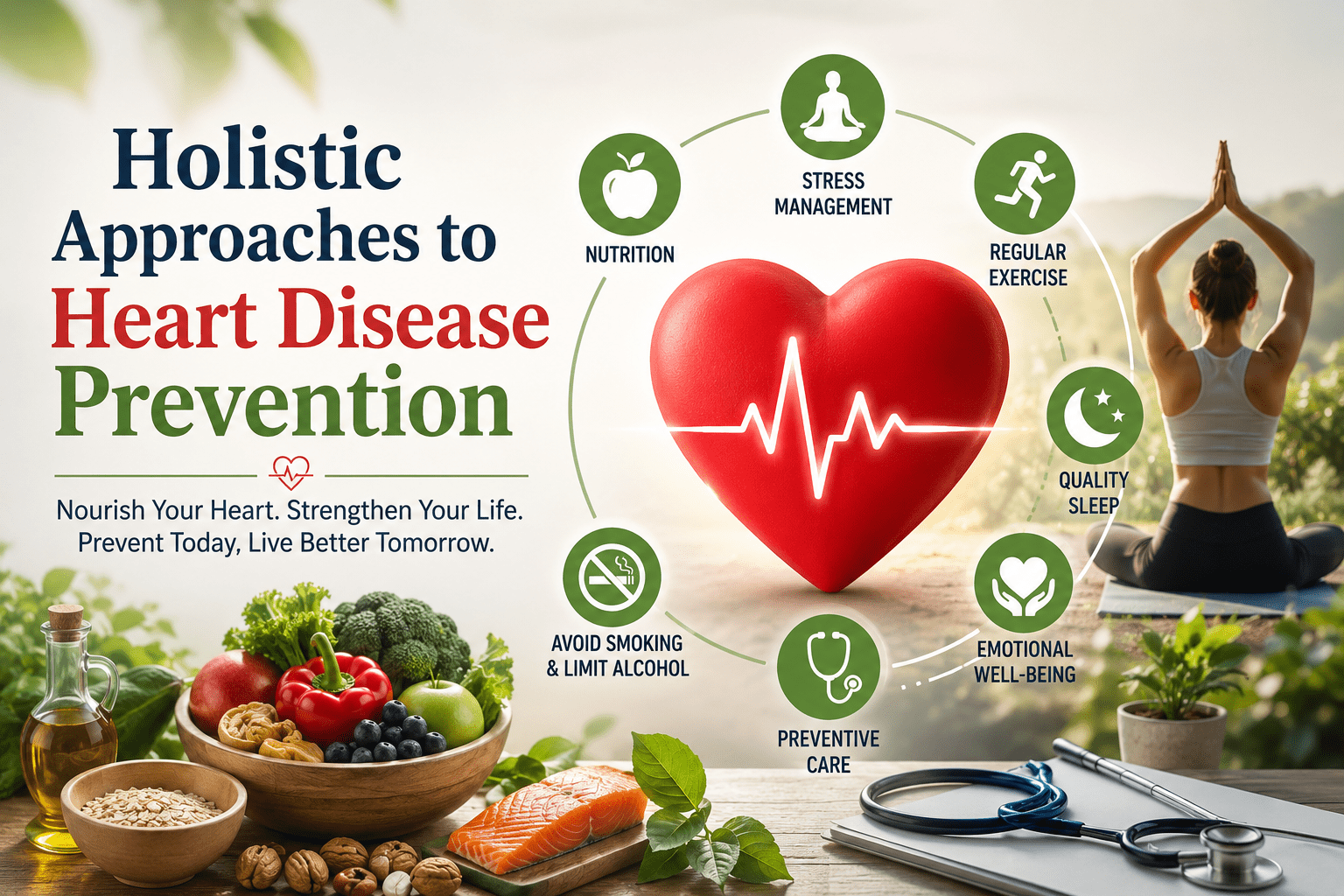

Heart disease remains one of the leading health concerns worldwide, but many risk factors can be improved through proactive lifestyle choices. While medical treatments play an important role in managing cardiovascular conditions, a holistic approach to heart disease prevention focuses on the complete picture of health including nutrition, physical activity, stress management, sleep quality, emotional well-being, and preventive care.
A heart-healthy lifestyle is not just about avoiding disease; it is about building habits that support long-term energy, vitality, and overall wellness. In this guide, we explore evidence-based holistic approaches to preventing heart disease and how small daily changes can contribute to better cardiovascular health.
Also Read – Coping With Flare-Ups: Managing POTS Symptoms on Tough Days
What Is a Holistic Approach to Heart Disease Prevention?
A holistic approach to heart disease prevention considers the connection between the body, mind, and lifestyle. Instead of focusing only on individual risk factors like cholesterol or blood pressure, holistic heart care addresses multiple areas that influence cardiovascular health.
This approach may include:
- Heart-healthy nutrition
- Regular physical activity
- Stress reduction techniques
- Quality sleep habits
- Maintaining healthy blood pressure and cholesterol levels
- Emotional wellness support
- Preventive health screenings
By addressing the root causes and contributing factors of heart disease, holistic strategies can complement traditional medical care and support overall heart wellness.
Also Read – Medicinal Spices That Help Lower Blood Pressure
1. Follow a Heart-Healthy Nutrition Plan
Nutrition plays a major role in preventing heart disease naturally. The foods you eat can influence cholesterol levels, inflammation, blood pressure, and overall cardiovascular function.
A heart-supportive diet should include:
Fruits and Vegetables
Colorful fruits and vegetables provide antioxidants, vitamins, minerals, and fiber that help protect blood vessels and reduce inflammation.
Examples include:
- Leafy greens
- Berries
- Citrus fruits
- Tomatoes
- Broccoli
- Bell peppers
Healthy Fats
Not all fats are harmful. Healthy fats can support heart health when consumed in moderation.
Sources include:
- Olive oil
- Avocados
- Nuts and seeds
- Fatty fish such as salmon and sardines
Whole Grains and Fiber-Rich Foods
Fiber helps support healthy cholesterol levels and promotes better metabolic health.
Choose:
- Oats
- Brown rice
- Quinoa
- Whole-grain breads
- Legumes
Limit Processed Foods
Reducing intake of:
- Excess sodium
- Added sugars
- Trans fats
- Highly processed foods
can help lower cardiovascular risk.
2. Manage Stress for Better Heart Health
Chronic stress can negatively affect cardiovascular health by increasing inflammation, blood pressure, and unhealthy coping behaviors.
A holistic heart health plan includes stress management techniques such as:
Meditation
Mindfulness meditation may help promote relaxation, reduce stress levels, and support emotional balance.
Deep Breathing Exercises
Breathing techniques can activate the body’s relaxation response and help calm the nervous system.
Yoga and Gentle Movement
Yoga combines physical movement, breathing, and mindfulness, making it a valuable practice for stress reduction and overall wellness.
Spending Time in Nature
Outdoor activities can support mental well-being and encourage healthy movement.
3. Prioritize Regular Physical Activity
Exercise is one of the most effective ways to support cardiovascular health.
Regular physical activity can help:
- Strengthen the heart muscle
- Improve circulation
- Maintain healthy blood pressure
- Support healthy cholesterol levels
- Manage body weight
- Reduce stress
Aim for a combination of:
Aerobic Exercise
Examples:
- Walking
- Cycling
- Swimming
- Dancing
Strength Training
Resistance exercises help maintain muscle mass, metabolism, and overall physical function.
Flexibility and Balance Exercises
Activities like stretching and yoga can support mobility and reduce stress.
4. Improve Sleep Quality
Sleep is an essential part of holistic heart disease prevention. Poor sleep quality has been linked with increased cardiovascular risks, including high blood pressure and metabolic changes.
Healthy sleep habits include:
- Maintaining a consistent sleep schedule
- Creating a relaxing bedtime routine
- Limiting screen exposure before bed
- Keeping your bedroom comfortable and quiet
- Managing stress before sleeping
Most adults benefit from approximately 7–9 hours of quality sleep each night.
5. Maintain Healthy Blood Pressure and Cholesterol Levels
High blood pressure and elevated cholesterol are major risk factors for heart disease.
Natural lifestyle strategies that support healthy levels include:
- Reducing sodium intake
- Eating more potassium-rich foods
- Exercising regularly
- Maintaining a healthy weight
- Avoiding smoking
- Managing stress
Regular health screenings can help identify concerns early and allow for timely action.
6. Support Emotional and Mental Wellness
Emotional health is closely connected to heart health. Conditions such as chronic stress, anxiety, and emotional distress can influence lifestyle habits and cardiovascular function.
Supporting emotional wellness may include:
- Practicing gratitude
- Building supportive relationships
- Seeking professional guidance when needed
- Developing healthy coping strategies
- Engaging in enjoyable activities
A balanced emotional state contributes to a healthier lifestyle overall.
7. Avoid Smoking and Limit Alcohol Consumption
Smoking is one of the strongest preventable risk factors for heart disease. It damages blood vessels, increases inflammation, and raises the risk of cardiovascular complications.
Quitting smoking can significantly improve heart health at any age.
For alcohol, moderation is important. Excessive alcohol intake may increase blood pressure and contribute to heart-related problems.
8. Consider Functional and Integrative Heart Health Approaches
Integrative heart health combines conventional medical knowledge with lifestyle-focused strategies.
A personalized approach may include:
- Nutrition assessment
- Lifestyle coaching
- Stress management support
- Exercise planning
- Preventive screenings
- Understanding individual risk factors
Working with healthcare professionals can help create a heart health plan tailored to your specific needs.
9. Build Sustainable Daily Habits
The most effective natural ways to prevent heart disease involve consistent habits rather than quick fixes.
Simple daily actions include:
- Taking a daily walk
- Eating more whole foods
- Drinking enough water
- Practicing relaxation techniques
- Prioritizing sleep
- Staying socially connected
Small improvements over time can create meaningful benefits for cardiovascular health.
A holistic approach to wellness should also include maintaining good oral health. Healthy teeth and gums can make it easier to eat a balanced diet, stay comfortable during daily activities, and maintain overall quality of life. For individuals experiencing tooth loss, dental implants can offer a long-term solution designed to restore chewing function and support a natural-looking smile. Including regular dental care alongside heart-healthy nutrition, physical activity, stress management, and preventive healthcare can help support a more complete approach to overall wellness.
Frequently Asked Questions (FAQs)
1. What is a holistic approach to heart disease prevention?
A holistic approach focuses on improving heart health through lifestyle factors such as nutrition, exercise, stress management, sleep, emotional wellness, and preventive care.
2. Can lifestyle changes reduce the risk of heart disease?
Yes, healthy lifestyle changes such as regular exercise, balanced nutrition, stress management, and avoiding smoking can help reduce several major heart disease risk factors.
3. What foods are best for preventing heart disease?
Heart-healthy foods include fruits, vegetables, whole grains, nuts, seeds, olive oil, legumes, and omega-3-rich fish.
4. How does stress affect heart health?
Chronic stress may contribute to increased blood pressure, inflammation, and unhealthy habits that can raise cardiovascular risk.
5. Is exercise important for preventing heart disease?
Yes. Regular physical activity strengthens the heart, improves circulation, supports healthy weight management, and helps regulate blood pressure.
6. Can sleep affect heart health?
Yes. Poor sleep quality and insufficient sleep may increase the risk of conditions linked to heart disease, including high blood pressure and metabolic problems.