We have moved to
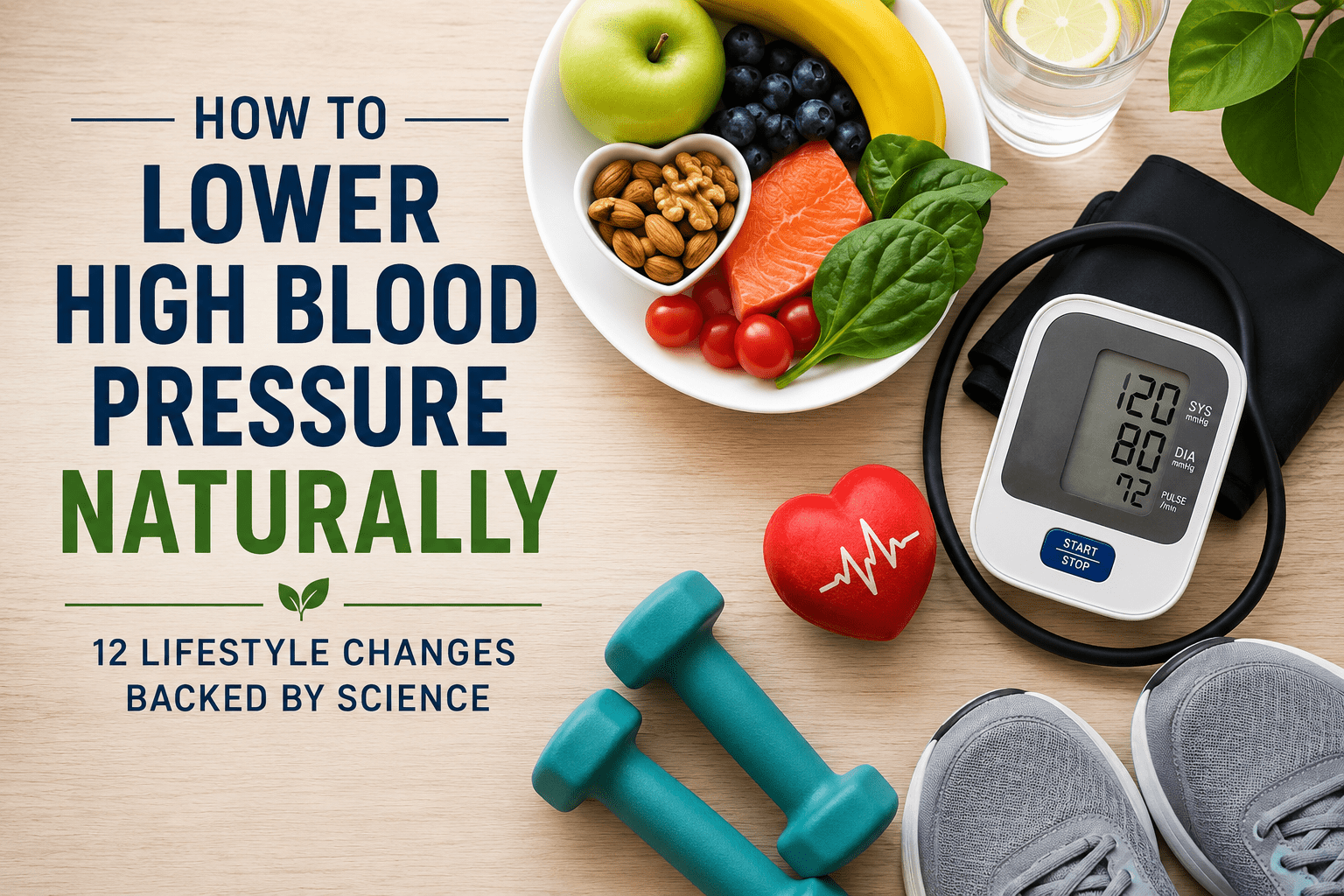

High blood pressure, also known as hypertension, is often called the “silent killer” because it rarely causes noticeable symptoms until serious complications develop. Left unmanaged, it can increase your risk of heart disease, stroke, kidney disease, and other health problems.
The good news is that many people can significantly improve their blood pressure through healthy lifestyle changes. Whether you have been diagnosed with hypertension or want to reduce your future risk, adopting evidence-based habits can make a meaningful difference.
In this guide, we’ll explore 12 natural ways to lower high blood pressure, all supported by scientific research.
What Is High Blood Pressure?
Blood pressure measures the force of blood pushing against your artery walls.
According to widely used clinical guidelines:
- Normal: Less than 120/80 mmHg
- Elevated: 120–129 / less than 80 mmHg
- Stage 1 Hypertension: 130–139 / 80–89 mmHg
- Stage 2 Hypertension: 140/90 mmHg or higher
Consistently high readings should be evaluated by a healthcare professional.
Why Is High Blood Pressure Dangerous?
Untreated hypertension can damage blood vessels and vital organs over time.
Potential complications include:
- Heart attack
- Stroke
- Heart failure
- Kidney disease
- Vision loss
- Cognitive decline
Managing blood pressure early helps reduce the risk of these serious conditions.
12 Lifestyle Changes to Lower High Blood Pressure Naturally
1. Follow the DASH Diet
One of the most effective dietary approaches is the DASH (Dietary Approaches to Stop Hypertension) diet.
Focus on eating:
- Fruits
- Vegetables
- Whole grains
- Low-fat dairy
- Lean protein
- Nuts and seeds
Limit:
- Processed foods
- Sugary drinks
- Saturated fats
This eating pattern has been shown to help lower blood pressure and improve heart health.
2. Reduce Sodium Intake
Too much sodium can cause your body to retain fluid, increasing blood pressure.
Aim to:
- Choose fresh foods over processed meals
- Read food labels
- Limit salty snacks
- Cook with herbs and spices instead of extra salt
Even moderate sodium reduction may benefit many people with hypertension.
3. Eat More Potassium-Rich Foods
Potassium helps balance sodium levels and supports healthy blood pressure.
Good sources include:
- Bananas
- Sweet potatoes
- Spinach
- Avocados
- Beans
- Tomatoes
- Oranges
If you have kidney disease, speak with your healthcare provider before increasing potassium intake.
4. Exercise Regularly
Physical activity strengthens the heart, allowing it to pump blood more efficiently.
Aim for at least:
- 150 minutes of moderate-intensity exercise per week, such as brisk walking or cycling.
Other beneficial activities include:
- Swimming
- Jogging
- Dancing
- Strength training
Consistency matters more than intensity.
5. Maintain a Healthy Weight
Excess body weight places additional strain on the heart and blood vessels.
Even losing a modest amount of weight can help improve blood pressure in many individuals.
Focus on sustainable changes rather than restrictive diets.
6. Limit Alcohol Consumption
Drinking excessive alcohol can contribute to elevated blood pressure.
If you drink, moderation is important. Reducing alcohol intake may improve cardiovascular health and support healthier blood pressure levels.
7. Quit Smoking
Every cigarette temporarily raises blood pressure and damages blood vessels.
Stopping smoking provides immediate and long-term benefits for your heart and overall health.
If quitting is difficult, speak with your healthcare provider about available support options.
8. Manage Stress Effectively
Chronic stress may contribute to higher blood pressure in some individuals.
Helpful stress-management techniques include:
- Meditation
- Deep breathing
- Yoga
- Mindfulness
- Spending time outdoors
- Listening to music
- Talking with family or friends
Building healthy coping strategies supports both mental and physical well-being.
9. Prioritise Quality Sleep
Poor sleep has been linked to an increased risk of hypertension.
Aim for 7–9 hours of quality sleep each night by:
- Maintaining a consistent sleep schedule
- Limiting screen time before bed
- Creating a comfortable sleep environment
- Avoiding caffeine late in the day
10. Reduce Added Sugar and Refined Carbohydrates
Highly processed foods and sugary beverages may contribute to weight gain and metabolic changes that affect blood pressure.
Choose:
- Whole grains
- Fresh fruit
- Vegetables
- Healthy fats
- Lean protein
Replacing sugary snacks with nutrient-rich foods supports overall cardiovascular health.
11. Monitor Your Blood Pressure at Home
Home monitoring helps you understand how your lifestyle changes are affecting your blood pressure.
Keep a record of your readings and discuss them with your healthcare provider during routine appointments.
Never change prescribed medications without medical advice.
12. Stay Consistent with Healthy Habits
Natural blood pressure management isn’t about making one perfect choice—it’s about maintaining healthy habits over time.
Small daily improvements often produce meaningful long-term results.
Foods That May Help Lower Blood Pressure
Including heart-friendly foods in your diet may support healthy blood pressure.
Some nutritious options include:
- Leafy green vegetables
- Berries
- Oats
- Salmon
- Nuts
- Seeds
- Olive oil
- Garlic
- Yogurt
- Legumes
A balanced eating pattern is generally more effective than relying on any single “superfood.”
When Should You See a Doctor?
Lifestyle changes are important, but they may not be enough for everyone.
Seek medical advice if you:
- Consistently record high blood pressure readings
- Experience chest pain
- Have severe headaches
- Notice vision changes
- Feel short of breath
- Have dizziness or fainting
Emergency symptoms require immediate medical attention.
Frequently Asked Questions
Can high blood pressure be lowered naturally?
Yes. Many people can improve their blood pressure through healthy eating, regular exercise, weight management, stress reduction, and other lifestyle changes. However, some individuals may also require medication.
What foods help lower blood pressure?
Foods rich in potassium, fibre, and healthy fats—such as fruits, vegetables, whole grains, legumes, and oily fish—can support healthy blood pressure.
Is walking good for high blood pressure?
Yes. Brisk walking is a moderate-intensity exercise that can improve heart health and help lower blood pressure when performed regularly.
How quickly can lifestyle changes work?
Some people notice improvements within a few weeks, while others may require several months of consistent healthy habits. Individual results vary.
Can stress increase blood pressure?
Yes. Chronic stress may contribute to elevated blood pressure and unhealthy coping behaviours. Managing stress is an important part of overall cardiovascular health.