We have moved to
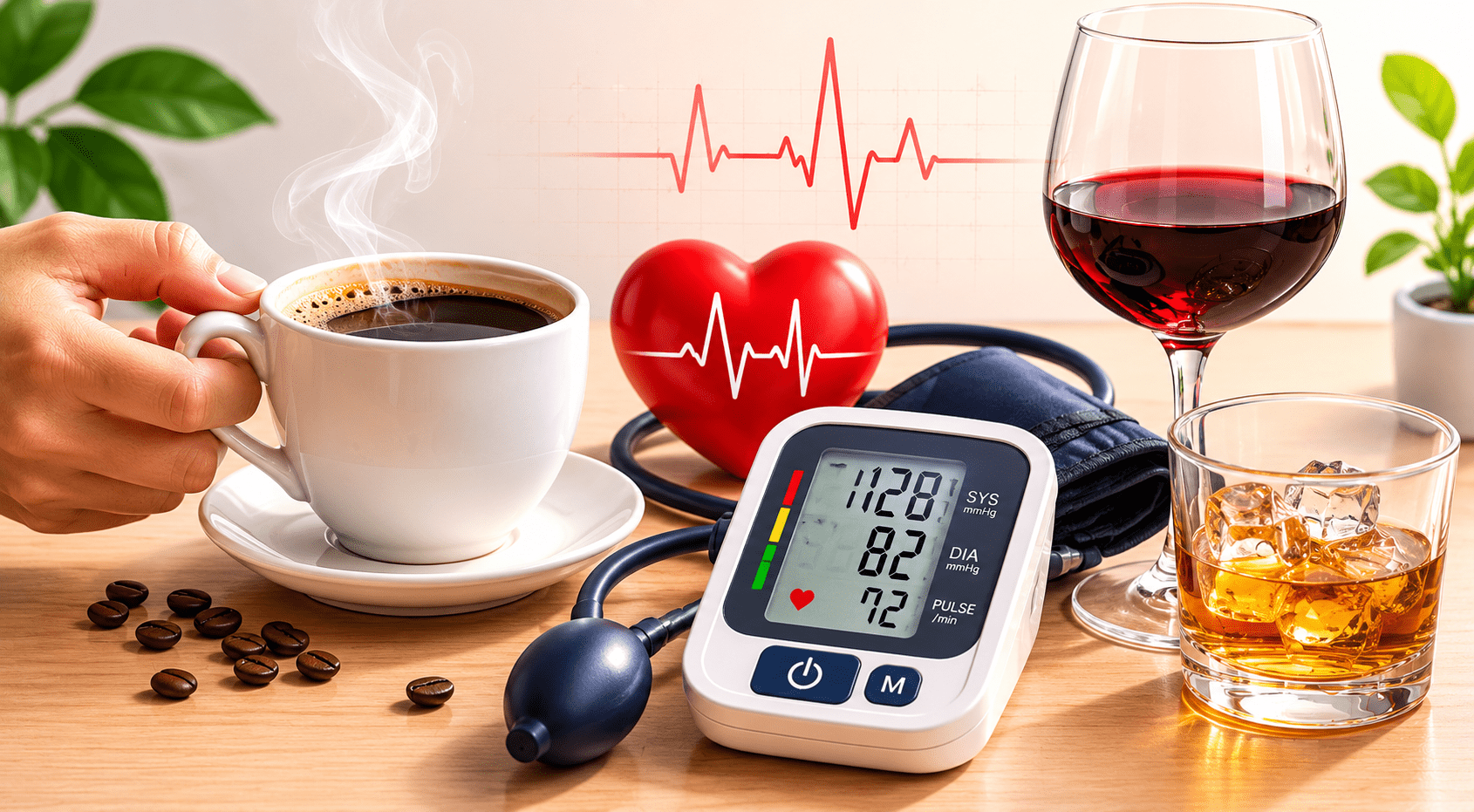

High blood pressure, also known as hypertension, is one of the most common health conditions worldwide. It often develops silently without noticeable symptoms, which is why it is sometimes called the “silent killer.” Over time, uncontrolled high blood pressure can increase the risk of heart disease, stroke, kidney problems, and other serious health issues.
Many lifestyle factors contribute to high blood pressure, including diet, stress, physical inactivity, smoking, alcohol consumption, and caffeine intake. Among these, alcohol and caffeine are commonly discussed because they are part of many people’s daily routines. But do they actually raise blood pressure? The answer depends on how much and how often they are consumed.
Understanding the relationship between alcohol, caffeine, and blood pressure can help people make healthier choices for long-term heart health.
How Blood Pressure Works
Blood pressure measures the force of blood pushing against artery walls as the heart pumps. It is recorded using two numbers:
- Systolic pressure: the pressure when the heart beats
- Diastolic pressure: the pressure when the heart rests between beats
Normal blood pressure is generally considered around 120/80 mmHg. When blood pressure stays consistently high, the heart and blood vessels work harder than they should.
Lifestyle habits can strongly influence these numbers over time.
Does Alcohol Raise Blood Pressure?
Yes, excessive alcohol consumption can contribute to high blood pressure. Drinking too much alcohol regularly may damage blood vessels, increase stress hormones, and affect the heart’s ability to function properly.
Heavy alcohol intake can:
- Increase blood pressure levels
- Cause weight gain
- Raise triglyceride levels
- Affects sleep quality
- Increase the risk of heart disease
Alcohol may also interfere with medications used to treat hypertension.
Read our latest blog: https://drcynthia.com/blog/how-smoking-raises-your-blood-pressure-and-risks/
How Much Alcohol Is Too Much?
Moderate drinking may not affect everyone the same way, but frequent or excessive drinking is linked to a higher risk of hypertension.
Examples of excessive drinking include:
- Binge drinking
- Daily heavy alcohol use
- Regular consumption of large quantities over time
Even people without existing hypertension may experience temporary spikes in blood pressure after drinking heavily.
Reducing alcohol intake often helps lower blood pressure naturally.
Can Moderate Alcohol Consumption Be Safe?
Some studies suggest that small amounts of alcohol may have limited cardiovascular benefits for certain adults. However, health experts now emphasise that these potential benefits do not outweigh the risks for many people.
For individuals with high blood pressure or heart disease risk factors, limiting alcohol is generally recommended.
People who should be especially cautious include:
- Those with hypertension
- Pregnant women
- People taking blood pressure medications
- Individuals with liver disease
- People with heart conditions
The safest approach is moderation or avoiding alcohol altogether if advised by a doctor.
Does Caffeine Increase Blood Pressure?
Caffeine is a stimulant found in coffee, tea, energy drinks, chocolate, and some medications. It can temporarily raise blood pressure by stimulating the nervous system and increasing heart rate.
For some people, caffeine causes only a mild and short-term increase in blood pressure. Others may be more sensitive and experience stronger effects.
The exact reason caffeine raises blood pressure is not completely understood, but possible factors include:
- Narrowing of blood vessels
- Increased adrenaline release
- Temporary stress response in the body
Are Coffee Drinkers at Higher Risk of Hypertension?
The relationship between coffee and high blood pressure is complex. Regular coffee drinkers may build some tolerance to caffeine over time, meaning the effects on blood pressure become less noticeable.
Research suggests that moderate coffee consumption may not significantly increase long-term hypertension risk in healthy adults. However, excessive caffeine intake can still affect some individuals negatively.
People who may be more sensitive include:
- Individuals with uncontrolled hypertension
- People with anxiety disorders
- Those sensitive to caffeine
- Individuals consuming energy drinks frequently
Monitoring how your body responds to caffeine is important.
Energy Drinks and Blood Pressure
Energy drinks deserve special attention because they often contain very high amounts of caffeine along with sugar and stimulants. These drinks can rapidly increase heart rate and blood pressure.
Frequent energy drink consumption has been linked to:
- Heart palpitations
- Elevated blood pressure
- Sleep disturbances
- Increased stress on the heart
Young adults and teenagers may be especially vulnerable to these effects.
Read this blog for more information: https://drcynthia.com/blog/sedentary-lifestyle-a-major-contributor-to-high-blood-pressure/
Signs You May Be Sensitive to Caffeine
Some people tolerate caffeine well, while others experience symptoms even with small amounts.
Possible signs of caffeine sensitivity include:
- Rapid heartbeat
- Nervousness
- Headaches
- Anxiety
- Trouble sleeping
- Jitters
- Increased blood pressure
If these symptoms occur regularly, reducing caffeine intake may help.
Healthy Ways to Protect Blood Pressure
Managing blood pressure involves more than simply reducing alcohol or caffeine. Overall, lifestyle habits play a major role in cardiovascular health.
Helpful strategies include:
- Eating a balanced diet rich in fruits and vegetables
- Reducing excess salt intake
- Exercising regularly
- Managing stress
- Sleeping well
- Staying hydrated
- Maintaining a healthy weight
- Avoiding smoking
Small daily habits can significantly improve long-term heart health.
Should You Completely Avoid Alcohol and Caffeine?
Not everyone needs to eliminate alcohol or caffeine. The impact varies from person to person depending on genetics, medical history, lifestyle, and overall health.
However, moderation is essential. People with high blood pressure should monitor how their body reacts and discuss concerns with a healthcare provider.
Simple adjustments such as:
- Drinking less alcohol
- Switching to lower-caffeine beverages
- Avoiding late-night caffeine
- Limiting energy drinks
may help improve blood pressure control.
Final Thoughts
Alcohol and caffeine can both influence blood pressure, especially when consumed in excess. Heavy alcohol use is strongly associated with hypertension and long-term heart health risks. Caffeine may cause temporary increases in blood pressure, particularly in sensitive individuals or those consuming large amounts.
The key is balance and awareness. Paying attention to your body’s response, maintaining healthy lifestyle habits, and making informed choices can help protect cardiovascular health over time.
If you already have high blood pressure or other heart-related conditions, speaking with a healthcare professional about alcohol and caffeine intake is always a smart step toward better long-term wellness.