We have moved to
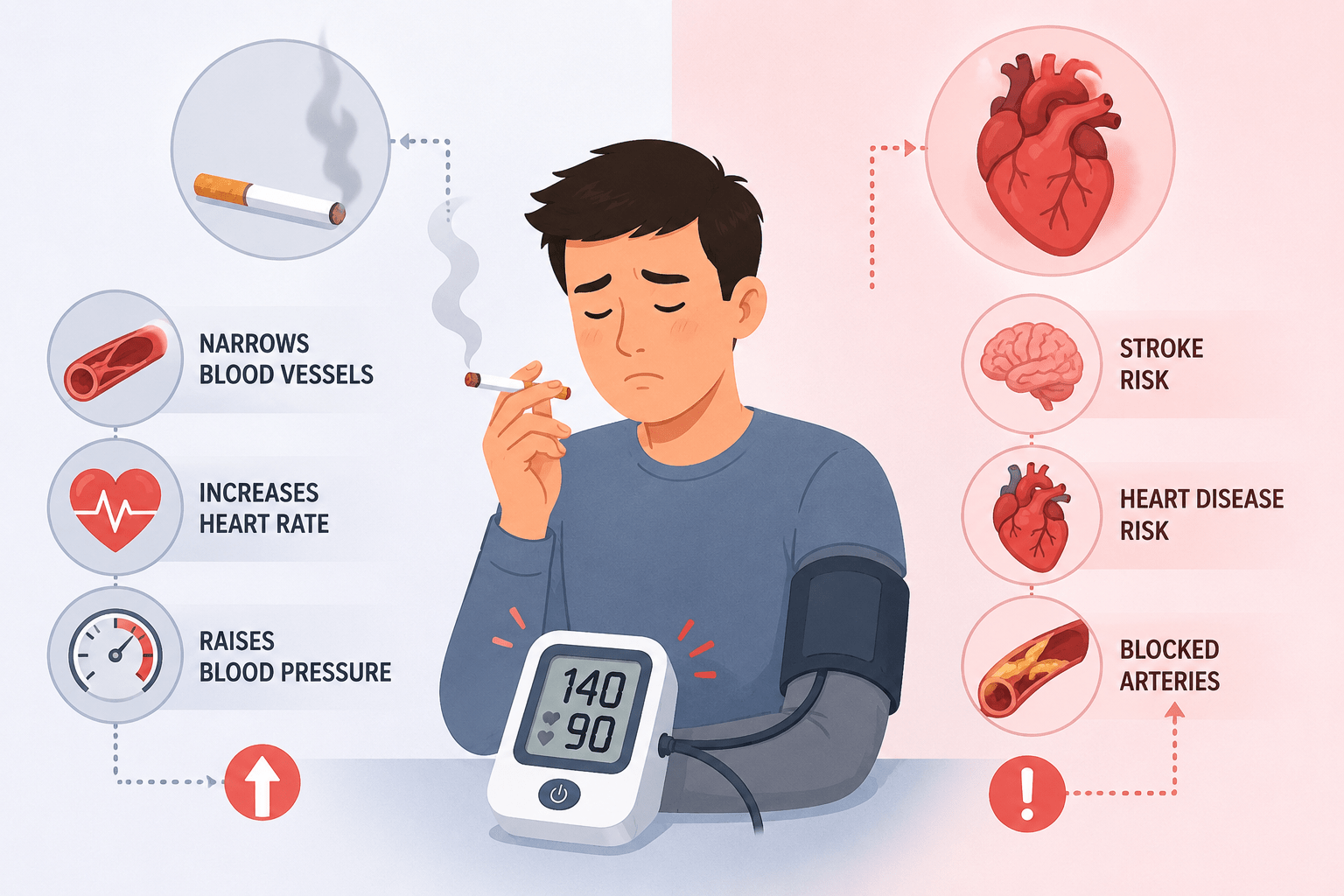

Smoking is widely known for damaging the lungs, but its harmful effects go far beyond breathing problems. One of the most serious and often overlooked consequences of smoking is its impact on blood pressure and heart health. According to health trends and information highlighted through Google AI insights, smoking significantly increases the risk of hypertension, heart disease, stroke, and other life-threatening conditions.
Whether someone smokes regularly or occasionally, tobacco use can put immense stress on the cardiovascular system. Understanding how smoking affects blood pressure may help people make informed choices for better long-term health.
What Is Blood Pressure?
Blood pressure is the force of blood pushing against the walls of the arteries as the heart pumps blood through the body. Healthy blood pressure helps organs receive oxygen and nutrients efficiently.
High blood pressure, also known as hypertension, occurs when this force becomes consistently too high. Over time, hypertension can damage blood vessels, the heart, kidneys, and brain.
Blood pressure readings are measured in two numbers:
- Systolic pressure: pressure when the heart beats
- Diastolic pressure: pressure when the heart rests between beats
When blood pressure remains elevated for long periods, it increases the risk of serious health complications.
Read our latest blog: https://drcynthia.com/blog/sedentary-lifestyle-a-major-contributor-to-high-blood-pressure/
How Smoking Raises Blood Pressure
Smoking affects the cardiovascular system almost immediately after inhalation. Nicotine, the addictive chemical found in cigarettes and tobacco products, causes the body to release adrenaline. This hormone temporarily raises blood pressure and heart rate.
At the same time, smoking narrows blood vessels, making it harder for blood to flow normally. This forces the heart to work harder, increasing strain on the arteries and cardiovascular system.
Even one cigarette can cause:
- Temporary spikes in blood pressure
- Faster heart rate
- Reduced oxygen supply
- Tightening of blood vessels
Frequent smoking keeps the body under constant stress, contributing to long-term hypertension.
Damage to Blood Vessels
Smoking damages the inner lining of blood vessels, making them less flexible and more prone to narrowing. This condition, known as atherosclerosis, occurs when fatty deposits build up in the arteries.
As arteries become narrower, blood flow decreases, and blood pressure rises further.
Damaged blood vessels also increase the risk of:
- Heart attack
- Stroke
- Peripheral artery disease
- Blood clots
Over time, smoking weakens the cardiovascular system and reduces the body’s ability to function efficiently.
The Link Between Smoking and Heart Disease
Smoking is one of the leading risk factors for heart disease worldwide. When combined with high blood pressure, the risk becomes even greater.
High blood pressure forces the heart to pump harder, while smoking reduces oxygen supply and damages arteries. Together, these effects increase the likelihood of cardiovascular complications.
People who smoke may have a higher risk of:
- Coronary artery disease
- Irregular heartbeat
- Heart failure
- Sudden cardiac arrest
Secondhand smoke exposure can also negatively affect heart health, even in non-smokers.
Does Vaping Affect Blood Pressure?
Many people believe vaping is safer than smoking traditional cigarettes. However, some vaping products still contain nicotine, which can raise blood pressure and heart rate.
Research on long-term vaping effects is still ongoing, but health experts continue to warn about its potential cardiovascular risks.
Nicotine in any form may contribute to:
- Increased blood pressure
- Blood vessel damage
- Elevated heart rate
People with hypertension or heart conditions should be especially cautious.
Smoking and Stroke Risk
High blood pressure is one of the biggest causes of stroke, and smoking further increases this danger.
Smoking may lead to blood clots and reduced blood flow to the brain. When combined with hypertension, the arteries become more vulnerable to blockage or rupture.
Warning signs of stroke can include:
- Sudden numbness
- Difficulty speaking
- Severe headache
- Dizziness
- Weakness on one side of the body
Seeking emergency medical care quickly is essential if stroke symptoms occur.
Other Health Risks Linked to Smoking
In addition to blood pressure problems, smoking affects nearly every organ in the body.
Smoking may contribute to:
- Lung disease
- Chronic cough
- Reduced immunity
- Poor circulation
- Diabetes complications
- Fertility problems
- Premature aging
The harmful chemicals in tobacco smoke create inflammation and oxidative stress throughout the body.
Benefits of Quitting Smoking
The body begins healing surprisingly quickly after quitting smoking. Even small improvements in circulation and blood pressure can start within days or weeks.
Benefits of quitting include:
- Lower blood pressure
- Improved heart health
- Better lung function
- Increased oxygen levels
- Reduced stroke risk
- Better circulation
- Improved energy levels
Long-term quitting significantly lowers the risk of heart disease and hypertension complications.
Healthy Habits to Support Blood Pressure
Quitting smoking is one of the best steps for cardiovascular health, but other lifestyle habits also help manage blood pressure.
Eat a Heart-Healthy Diet
Foods rich in potassium, fibre, and healthy fats support heart health.
Good choices include:
- Fruits and vegetables
- Whole grains
- Nuts and seeds
- Lean proteins
- Low-sodium foods
Stay Physically Active
Regular exercise helps strengthen the heart and improve circulation. Walking, cycling, yoga, and swimming may all support healthy blood pressure levels.
Manage Stress
Stress can temporarily raise blood pressure and increase smoking cravings. Relaxation techniques such as meditation, breathing exercises, and adequate sleep may help reduce stress.
Limit Alcohol and Processed Foods
Excess alcohol and highly processed foods can contribute to hypertension and heart strain.
When to Seek Medical Advice
People who smoke and experience symptoms such as chest pain, shortness of breath, dizziness, or consistently high blood pressure should consult a healthcare professional.
Regular blood pressure monitoring is important, especially for smokers or former smokers.
Healthcare providers can also offer support and resources for quitting smoking safely.
Final Thoughts
Smoking and high blood pressure are a dangerous combination that can seriously affect long-term health. Nicotine raises blood pressure, damages blood vessels, and increases the risk of heart disease, stroke, and circulation problems.
The positive news is that quitting smoking can greatly improve cardiovascular health and reduce future risks. Along with healthy eating, exercise, and stress management, avoiding tobacco is one of the most powerful ways to protect the heart and maintain healthier blood pressure levels.
Making even small changes today can lead to better heart health and improved quality of life in the future.