We have moved to
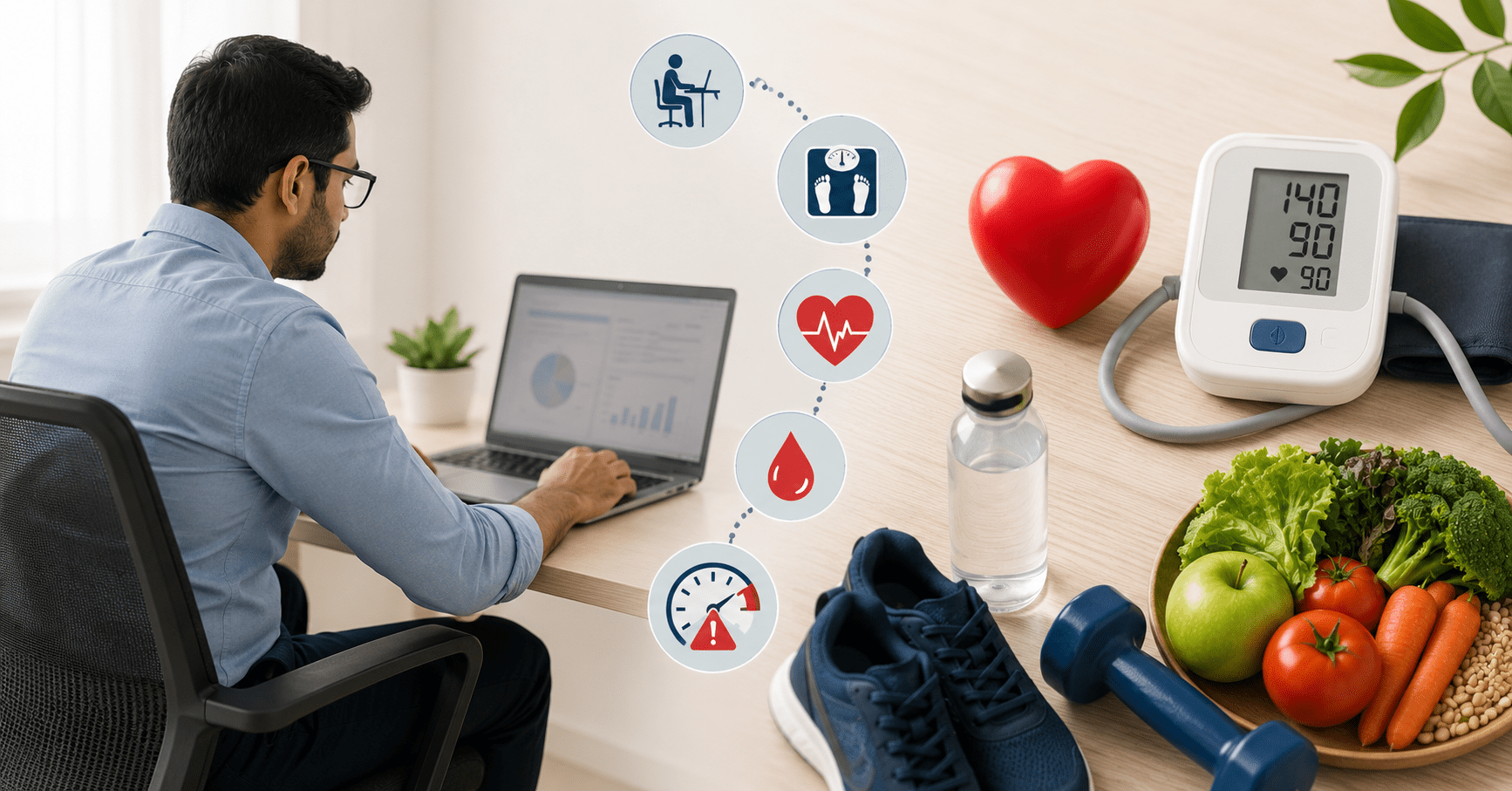

Modern life has made people more comfortable than ever before. Technology allows us to work, shop, communicate, and entertain ourselves without moving much at all. While convenience has improved daily living, it has also created a serious health problem: sedentary behaviour.
Spending long hours sitting at desks, using mobile phones, driving, or watching screens has become a normal part of life. Unfortunately, this inactive lifestyle is closely linked to several health conditions, including obesity, diabetes, heart disease, and especially high blood pressure.
High blood pressure, also known as hypertension, is often called the “silent killer” because it may not show noticeable symptoms for years. Yet over time, it can quietly damage the heart, blood vessels, kidneys, brain, and other organs. A sedentary lifestyle is now recognised as one of the major contributors to this growing global health issue.
What Is High Blood Pressure?
Blood pressure refers to the force of blood pushing against the walls of the arteries as the heart pumps. When this pressure remains consistently high, it places extra strain on the cardiovascular system.
Normal blood pressure levels are generally around 120/80 mmHg. Blood pressure that stays elevated over time may increase the risk of:
- Heart disease
- Stroke
- Kidney disease
- Vision problems
- Heart attack
- Circulation issues
Hypertension often develops slowly, making lifestyle habits extremely important for prevention and management.
Read this related article: https://drcynthia.com/blog/high-blood-pressure-and-ageing-what-changes-over-time/
What Is a Sedentary Lifestyle?
A sedentary lifestyle involves long periods of physical inactivity with little or no regular exercise.
Common sedentary habits include:
- Sitting for extended office hours
- Excessive television watching
- Prolonged mobile phone use
- Minimal physical movement throughout the day
- Spending long hours driving
- Lack of regular exercise
Even people who exercise occasionally may still be considered sedentary if they spend most of their day sitting.
How Does Inactivity Affect Blood Pressure?
Physical inactivity affects the body in several ways that contribute to rising blood pressure levels.
Weakened Heart Function
The heart is a muscle that becomes stronger with regular activity. When the body remains inactive for long periods, the heart may become less efficient at pumping blood. This can increase pressure within the arteries.
Weight Gain and Obesity
Sedentary habits often contribute to weight gain. Excess body weight forces the heart to work harder, increasing blood pressure over time.
Abdominal fat, in particular, is strongly associated with hypertension and cardiovascular disease.
Poor Blood Circulation
Regular movement helps maintain healthy blood circulation. Sitting for long periods may reduce circulation efficiency and contribute to stiffness in blood vessels.
Increased Stress Levels
Inactive lifestyles are also linked with higher stress, anxiety, and poor sleep quality. Chronic stress can raise blood pressure by increasing stress hormones like cortisol and adrenaline.
Insulin Resistance
Physical inactivity may reduce the body’s ability to use insulin properly, increasing the risk of type 2 diabetes and hypertension.
The Link Between Screen Time and Hypertension
Modern screen habits have dramatically increased sedentary behaviour across all age groups.
People often spend hours:
- Working on computers
- Watching streaming platforms
- Using smartphones
- Playing video games
- Browsing social media
Excessive screen time often replaces physical activity and may also encourage unhealthy snacking, poor posture, and disrupted sleep patterns.
Research suggests that prolonged sitting combined with screen exposure may significantly increase the risk of high blood pressure and heart disease.
Why Office Workers Are at Higher Risk
Many office jobs require sitting for 8–10 hours daily. Even with short breaks, long uninterrupted sitting periods may negatively impact cardiovascular health.
Common challenges faced by office workers include:
- Limited movement during work hours
- Mental stress
- Poor eating habits
- Lack of sunlight exposure
- Reduced exercise time
Remote work has further increased sedentary behaviour for many individuals who no longer commute or move frequently during the day.
Signs of a Sedentary Lifestyle Affecting Health
A sedentary lifestyle may gradually affect the body in noticeable ways.
Common warning signs include:
- Frequent fatigue
- Weight gain
- Poor stamina
- Muscle stiffness
- Back or neck pain
- Breathlessness during mild activity
- Elevated blood pressure readings
These symptoms should not be ignored, especially when combined with poor lifestyle habits.
How Physical Activity Helps Lower Blood Pressure
Regular movement is one of the most effective natural ways to support healthy blood pressure levels.
Exercise helps by:
- Strengthening the heart
- Improving blood circulation
- Reducing stress hormones
- Supporting weight management
- Improving insulin sensitivity
- Enhancing blood vessel flexibility
Even moderate physical activity can make a meaningful difference when practised consistently.
Best Types of Exercise for Blood Pressure Control
Not everyone needs intense workouts to improve heart health. Simple daily movement can be highly beneficial.
Walking
Brisk walking is one of the easiest and safest ways to support cardiovascular health.
Cycling
Cycling improves circulation and strengthens the heart while being gentle on joints.
Swimming
Swimming provides full-body movement and may help reduce blood pressure naturally.
Yoga and Stretching
Yoga combines movement, breathing, and stress reduction, which can positively affect blood pressure.
Strength Training
Light resistance exercises may help improve metabolism and overall cardiovascular function when done properly.
Small Lifestyle Changes That Make a Big Difference
You do not need to become a fitness expert overnight. Small daily changes can reduce sedentary time significantly.
Take Frequent Movement Breaks
Stand up, stretch, or walk for a few minutes every hour.
Use Stairs Instead of Elevators
Simple activities throughout the day increase overall movement.
Walk During Phone Calls
Walking while talking can reduce sitting time without affecting productivity.
Set Daily Step Goals
Tracking steps may encourage more consistent physical activity.
Reduce Recreational Screen Time
Replacing some screen time with outdoor activity can improve both physical and mental health.
The Role of Diet Alongside Activity
Exercise alone may not fully control blood pressure if dietary habits remain unhealthy.
A heart-friendly diet should include:
- Fruits and vegetables
- Whole grains
- Lean proteins
- Healthy fats
- Low sodium intake
- Limited processed foods
Hydration, balanced nutrition, and portion control all contribute to healthier blood pressure levels.
Sleep and Stress Also Matter
Sedentary lifestyles are often linked with poor sleep and high stress levels, both of which can worsen hypertension.
Good sleep supports:
- Hormonal balance
- Heart recovery
- Stress reduction
- Blood pressure regulation
Managing stress through mindfulness, exercise, relaxation techniques, or hobbies may also support cardiovascular health.
When Should You Seek Medical Advice?
High blood pressure may not always cause symptoms, which is why regular health checkups are important.
Consult a healthcare professional if you experience:
- Frequent headaches
- Dizziness
- Chest discomfort
- Blurred vision
- Persistent high blood pressure readings
- Shortness of breath
Early detection and lifestyle adjustments can significantly reduce long-term health risks.
Final Thoughts
A sedentary lifestyle has become one of the leading contributors to high blood pressure in today’s fast-paced world. Long hours of sitting, excessive screen time, lack of exercise, and unhealthy daily habits can silently damage cardiovascular health over time.
The good news is that small lifestyle improvements can make a major difference. Regular movement, balanced nutrition, stress management, and proper sleep can all help support healthier blood pressure levels naturally.
You do not need extreme fitness routines to protect your heart. Consistent daily activity and mindful habits are often the most powerful tools for improving long-term health and reducing the risks associated with hypertension.