We have moved to
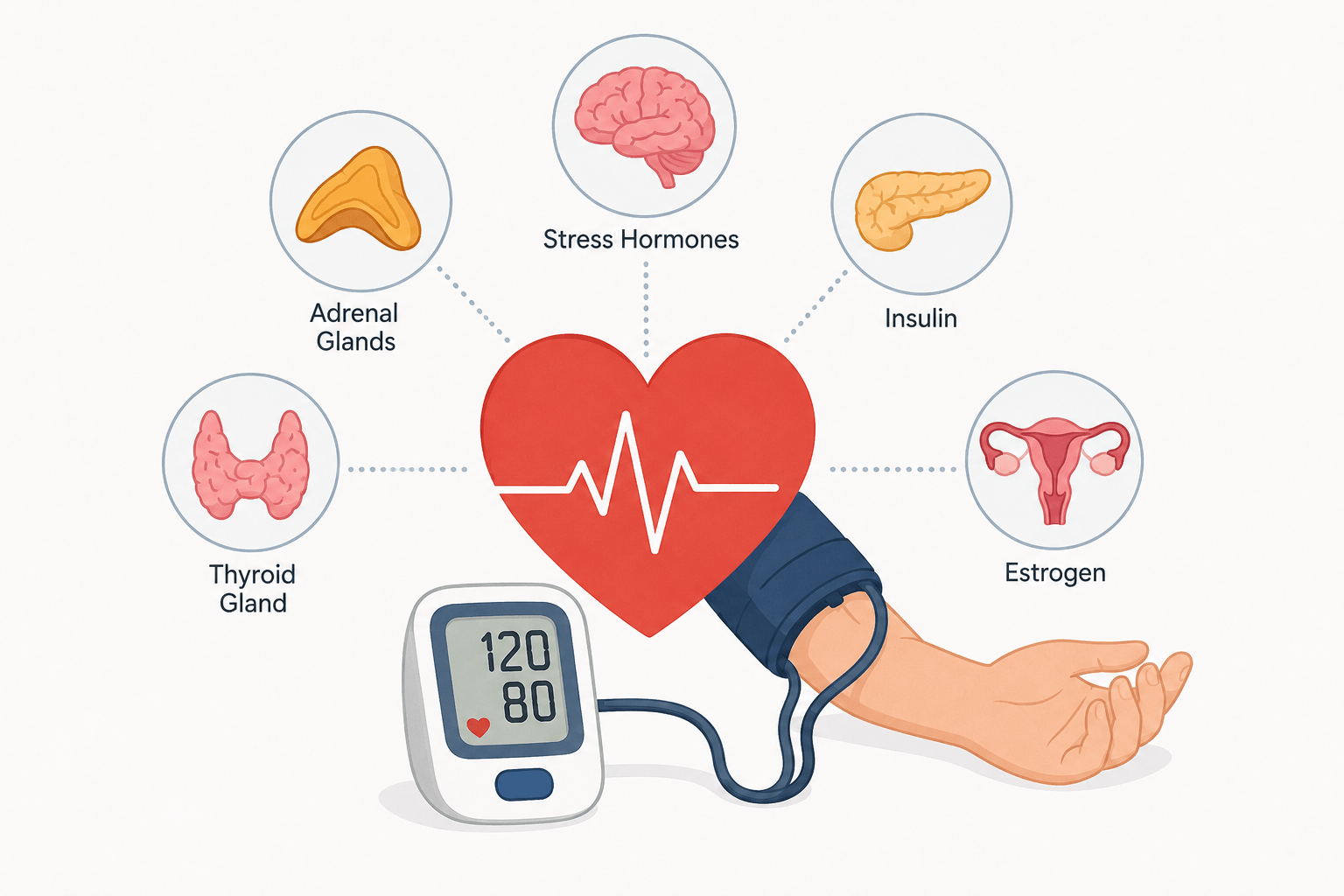

High blood pressure, also known as hypertension, is one of the most common health concerns worldwide. While factors such as poor diet, lack of exercise, stress, and genetics are often blamed, hormonal imbalances can also play a major role in the development of hypertension. Hormones regulate many essential functions in the body, including heart rate, blood vessel function, metabolism, and fluid balance. When these hormones become unbalanced, blood pressure can rise and create long-term health risks.
Understanding the connection between hormones and hypertension can help people recognise symptoms early and seek proper treatment before complications occur.
What Is Hypertension?
Hypertension occurs when the force of blood pushing against artery walls remains consistently too high. Over time, this extra pressure can damage blood vessels and increase the risk of heart disease, stroke, kidney disease, and other complications.
Blood pressure is measured using two numbers:
- Systolic pressure: The pressure when the heart beats
- Diastolic pressure: The pressure when the heart rests between beats
A normal blood pressure reading is generally around 120/80 mmHg. Readings consistently above 130/80 mmHg may indicate hypertension.
While lifestyle factors are important, hormonal changes can silently affect blood pressure regulation in many people.
Read our latest Blog: https://drcynthia.com/blog/how-kidney-disease-contributes-to-high-blood-pressure/
How Hormones Affect Blood Pressure
Hormones act as chemical messengers that help regulate many essential body functions. In particular, several hormones directly influence blood pressure by controlling:
- Salt and water balance
- Blood vessel constriction
- Heart function
- Stress responses
- Metabolism
When hormone production becomes excessive or insufficient, these regulatory systems can become disrupted. As a result, blood pressure may rise and remain persistently elevated.
Hormones Commonly Linked to Hypertension
Aldosterone
Aldosterone is a hormone produced by the adrenal glands. Its main job is to help regulate sodium and potassium levels in the body.
When the body produces too much aldosterone, it causes sodium and water retention. This increases blood volume and raises blood pressure.
This condition is called primary aldosteronism and is considered one of the most common hormone-related causes of hypertension.
Symptoms may include:
- High blood pressure that is difficult to control
- Muscle weakness
- Frequent urination
- Fatigue
Cortisol
Cortisol is often referred to as the “stress hormone” because it helps the body respond to physical and emotional challenges.
However, chronically elevated cortisol levels can contribute to hypertension in several ways. For example, excess cortisol may narrow blood vessels, increase heart rate, raise blood sugar levels, and promote fluid retention.
Consequently, conditions such as Cushing’s syndrome, prolonged stress, and long-term steroid use can significantly increase the risk of developing high blood pressure.
Thyroid Hormones
The thyroid gland controls metabolism through hormones called T3 and T4.
Both an underactive thyroid (hypothyroidism) and an overactive thyroid (hyperthyroidism) can affect blood pressure.
- Hyperthyroidism may increase heart rate and systolic blood pressure.
- Hypothyroidism may increase diastolic blood pressure by stiffening blood vessels.
People with thyroid-related hypertension may also experience:
- Weight changes
- Fatigue
- Anxiety
- Temperature sensitivity
- Irregular heartbeat
Insulin
Insulin plays a crucial role in regulating blood sugar levels. Nevertheless, insulin resistance, which is commonly associated with obesity and type 2 diabetes, has been strongly linked to hypertension.
Elevated insulin levels can increase sodium retention, stimulate the nervous system, and constrict blood vessels. Together, these effects contribute to higher blood pressure and an increased risk of cardiovascular disease.
Estrogen and Progesterone
Female hormones such as estrogen and progesterone influence blood vessel health and circulation.
Hormonal fluctuations during:
- Menstruation
- Pregnancy
- Perimenopause
- Menopause
can all impact blood pressure levels.
After menopause, declining estrogen levels may contribute to:
- Stiffer blood vessels
- Weight gain
- Increased cardiovascular risk
Some women notice changes in blood pressure during hormone replacement therapy or while taking birth control pills.
Adrenaline and Noradrenaline
Adrenaline and noradrenaline are released during periods of stress or perceived danger, activating the body’s “fight or flight” response.
As a result, heart rate increases, blood vessels tighten, and blood pressure rises temporarily. In rare cases, tumours known as pheochromocytomas cause excessive production of these hormones, leading to severe and sudden spikes in blood pressure.
Symptoms of Hormone-Related Hypertension
Hormonal hypertension may not always cause obvious symptoms. However, some warning signs can include:
- Persistent headaches
- Rapid heartbeat
- Fatigue
- Sweating
- Anxiety
- Weight gain or loss
- Muscle weakness
- Trouble sleeping
- Irregular menstrual cycles
- Excessive thirst or urination
In many cases, high blood pressure is discovered during routine health checkups.
Who Is at Higher Risk?
Certain factors can increase the likelihood of hormonal hypertension, including:
- Family history of endocrine disorders
- Obesity
- Chronic stress
- Diabetes
- Thyroid disease
- Polycystic ovary syndrome (PCOS)
- Menopause
- Long-term steroid use
Women may experience hormone-related blood pressure changes more often during major hormonal transitions such as pregnancy and menopause.
Diagnosis and Testing
Doctors may suspect hormonal hypertension when blood pressure:
- Appears at a young age
- Is difficult to control with medication
- Fluctuates suddenly
- Occurs alongside hormone-related symptoms
Diagnostic tests may include:
- Blood hormone levels
- Urine tests
- Thyroid function tests
- CT or MRI scans of the adrenal glands
- Blood sugar testing
- Electrolyte testing
Finding the root hormonal cause is important for creating an effective treatment plan.
Treatment Options
Treatment depends on the specific hormone imbalance involved.
Medications
Doctors may prescribe:
- Blood pressure medications
- Hormone-regulating drugs
- Thyroid medications
- Medications that block aldosterone effects
In some cases, surgery may be needed to remove hormone-producing tumours.
Lifestyle Changes That Help
Lifestyle improvements can significantly support hormone balance and blood pressure control.
Eat a Balanced Diet
Focus on:
- Fruits and vegetables
- Whole grains
- Lean proteins
- Healthy fats
Reducing salt intake can help lower blood pressure, especially in hormone-sensitive individuals.
Exercise Regularly3.0.29
Physical activity improves:
- Heart health
- Insulin sensitivity
- Stress levels
- Hormonal balance
Aim for at least 30 minutes of moderate exercise most days of the week.
Manage Stress
Since stress hormones affect blood pressure, stress management is essential.
Helpful techniques include:
- Meditation
- Yoga
- Deep breathing
- Quality sleep
- Spending time outdoors
Maintain a Healthy Weight
Excess body weight can worsen hormone imbalances and hypertension. Even modest weight loss may improve blood pressure levels.
The Importance of Early Detection
Hormonal causes of hypertension are sometimes overlooked because symptoms can mimic other conditions. Early diagnosis is important because treating the hormone imbalance may significantly improve blood pressure control and reduce the risk of complications.
Ignoring chronic hypertension can increase the risk of:
- Heart attack
- Stroke
- Kidney disease
- Vision problems
- Heart failure
Routine health screenings and monitoring hormone-related symptoms can help detect problems early.
Conclusion
Hormonal imbalances can have a powerful impact on blood pressure and overall cardiovascular health. Hormones such as cortisol, aldosterone, insulin, thyroid hormones, and estrogen all play important roles in regulating circulation, fluid balance, and heart function. When these hormones become disrupted, hypertension may develop or worsen.
Understanding the connection between hormones and blood pressure allows for more accurate diagnosis and targeted treatment. Along with medical care, healthy lifestyle habits such as balanced nutrition, stress management, exercise, and proper sleep can help support both hormonal health and blood pressure control.
If high blood pressure appears suddenly, becomes difficult to manage, or occurs alongside unusual symptoms, it may be worth exploring whether a hormonal imbalance is contributing to the condition.