We have moved to
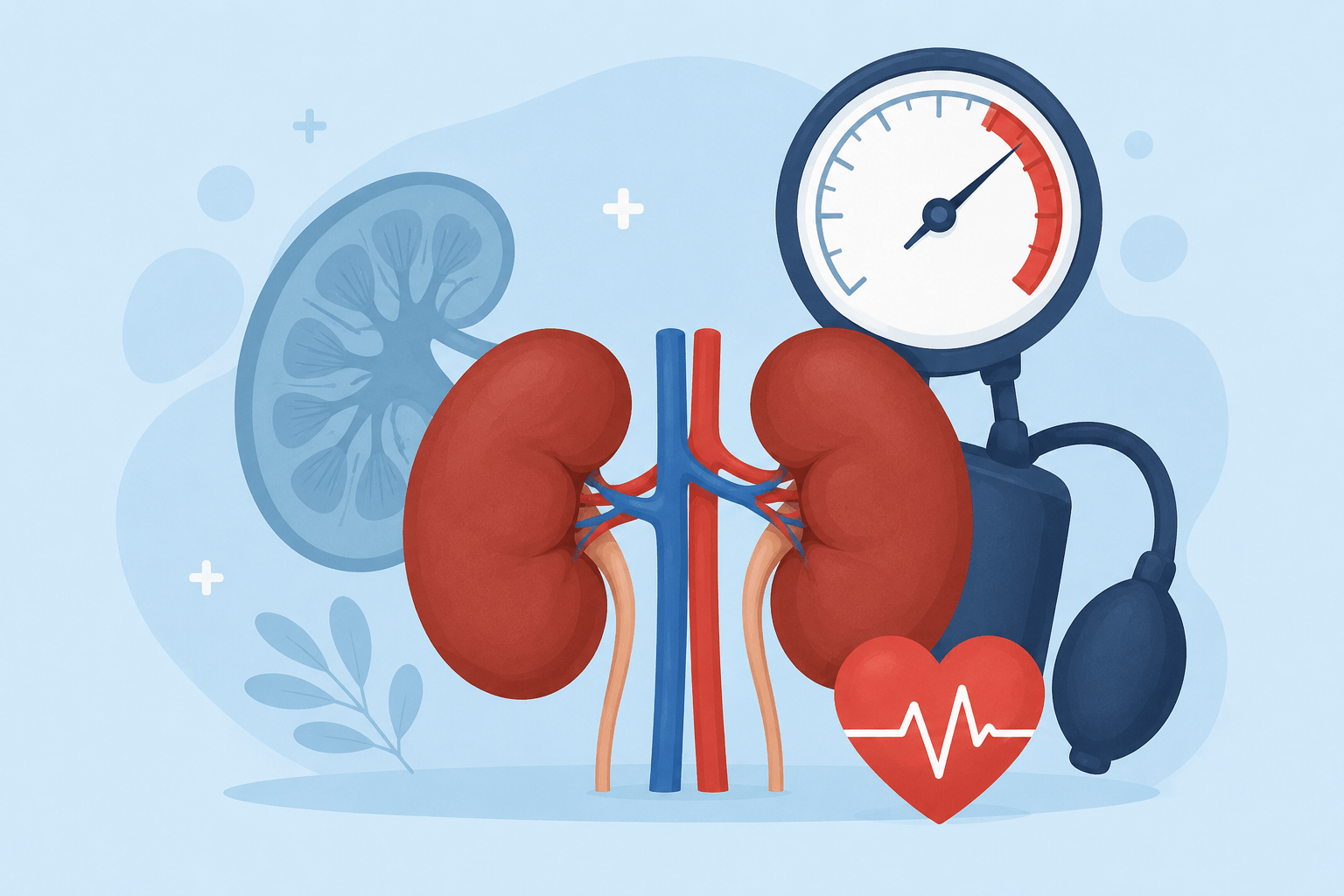

High blood pressure and kidney disease are closely connected health conditions that often influence each other. In many cases, kidney disease can lead to high blood pressure, while uncontrolled hypertension can also damage the kidneys over time. This creates a dangerous cycle that can increase the risk of heart disease, stroke, and kidney failure if left untreated.
Understanding how kidney disease contributes to high blood pressure can help individuals recognise symptoms early, seek proper treatment, and make lifestyle changes that protect overall health.
Understanding the Role of the Kidneys
The kidneys are two bean-shaped organs located near the lower back. Their main job is to filter waste products, toxins, and excess fluids from the blood. They also help maintain the balance of minerals, control fluid levels, and regulate blood pressure.
Healthy kidneys perform several important functions, including:
- Removing waste through urine
- Balancing sodium and potassium
- Producing hormones that regulate blood pressure
- Supporting red blood cell production
- Managing fluid balance in the body
When the kidneys become damaged or diseased, they cannot function properly. This affects many systems in the body, including blood pressure regulation.
What Is High Blood Pressure?
High blood pressure, also known as hypertension, occurs when the force of blood against artery walls remains consistently too high. Over time, this extra pressure damages blood vessels and organs.
Blood pressure is measured using two numbers:
- Systolic pressure: pressure during heartbeats
- Diastolic pressure: pressure between heartbeats
A normal blood pressure reading is generally around 120/80 mmHg. Persistent readings above this range may indicate hypertension.
Read our blog: https://drcynthia.com/blog/high-blood-pressure-and-ageing-what-changes-over-time/
The Link Between Kidney Disease and High Blood Pressure
The kidneys play a major role in controlling blood pressure. When kidney function declines, the body struggles to regulate fluids, hormones, and blood vessel function properly. This often results in increased blood pressure.
1. Fluid and Sodium Retention
Damaged kidneys may fail to remove excess sodium and fluid from the bloodstream. This extra fluid increases the volume of blood circulating through the body.
More fluid inside blood vessels means greater pressure on artery walls, which raises blood pressure levels.
Excess sodium also causes the body to retain water, further worsening hypertension.
2. Hormonal Imbalance
The kidneys produce hormones that help regulate blood pressure. One important system involved is the renin-angiotensin-aldosterone system (RAAS).
When kidney disease disrupts this system, the body may:
- Narrow blood vessels
- Retain more sodium
- Hold excess fluid
These effects increase blood pressure significantly.
3. Blood Vessel Damage
Kidney disease can damage small blood vessels throughout the body. Narrowed or stiffened blood vessels reduce healthy blood flow and increase resistance inside the arteries.
As resistance rises, the heart must work harder to pump blood, causing blood pressure to climb.
4. Reduced Kidney Function
When kidneys lose filtering ability, toxins and waste products build up in the bloodstream. This can trigger inflammation and place extra strain on the cardiovascular system.
Over time, poor kidney function and hypertension often worsen together.
Chronic Kidney Disease and Hypertension
Chronic Kidney Disease (CKD) is one of the most common causes of secondary hypertension. CKD develops gradually over months or years and often has no early symptoms.
Many people discover kidney disease only after high blood pressure becomes difficult to control.
Common causes of CKD include:
- Diabetes
- High blood pressure
- Kidney infections
- Polycystic kidney disease
- Autoimmune disorders
Nearly every stage of chronic kidney disease can contribute to elevated blood pressure levels.
Symptoms to Watch For
Kidney disease and high blood pressure may remain silent for a long time. However, some warning signs may include:
- Swelling in feet or ankles
- Fatigue
- Frequent urination
- Foamy urine
- Headaches
- Shortness of breath
- Difficulty concentrating
- Chest pain
- Nausea
In some cases, there may be no noticeable symptoms until significant kidney damage occurs.
How High Blood Pressure Further Damages the Kidneys
The relationship between kidney disease and hypertension is bidirectional. High blood pressure damages delicate blood vessels inside the kidneys.
Over time, elevated pressure weakens the kidney’s filtering units, called nephrons. Damaged nephrons cannot effectively filter waste from the blood.
As kidney function worsens, blood pressure often rises even further, creating a harmful cycle.
Without treatment, this cycle may eventually lead to kidney failure.
Risk Factors
Several factors increase the risk of developing kidney disease-related hypertension:
- Diabetes
- Obesity
- Smoking
- Family history of kidney disease
- Older age
- High-sodium diet
- Lack of exercise
- Excess alcohol intake
- Heart disease
People with diabetes and long-term hypertension face the highest risk.
Diagnosis
Doctors use several tests to identify kidney disease and evaluate blood pressure problems.
Blood Pressure Monitoring
Regular blood pressure checks help detect persistent hypertension.
Blood Tests
Kidney function tests measure creatinine and estimated glomerular filtration rate (eGFR).
Urine Tests
Protein in the urine may indicate kidney damage.
Imaging Tests
Ultrasound or CT scans can evaluate kidney structure and blood flow.
Early diagnosis improves treatment outcomes and helps prevent complications.
Treatment Options
Managing kidney disease-related hypertension usually requires a combination of medication and lifestyle changes.
Medications
Doctors may prescribe:
- ACE inhibitors
- ARBs (Angiotensin receptor blockers)
- Diuretics
- Calcium channel blockers
- Beta blockers
These medications help lower blood pressure and protect kidney function.
Lifestyle Changes
Healthy habits play a major role in treatment success.
Reduce Sodium Intake
Lowering salt intake helps reduce fluid retention and blood pressure.
Stay Physically Active
Regular exercise supports heart and kidney health.
Maintain a Healthy Weight
Weight management reduces strain on blood vessels and kidneys.
Quit Smoking
Smoking damages blood vessels and worsens kidney disease.
Control Blood Sugar
Diabetes management is essential for kidney protection.
Limit Alcohol
Excess alcohol can raise blood pressure levels.
Can Kidney Disease Be Prevented?
While not all kidney disease can be prevented, many cases are linked to lifestyle factors that can be managed.
Helpful prevention strategies include:
- Monitoring blood pressure regularly
- Managing diabetes effectively
- Drinking enough water
- Eating a balanced diet
- Exercising consistently
- Avoiding excessive painkiller use
- Getting routine medical checkups
Early intervention is one of the best ways to reduce long-term complications.
When to See a Doctor
Medical attention is important if you experience:
- Persistent high blood pressure
- Swelling in the legs or face
- Changes in urination
- Severe fatigue
- Chest discomfort
- Ongoing headaches
People with diabetes or a family history of kidney disease should schedule regular kidney screenings.
Conclusion
Kidney disease and high blood pressure are deeply interconnected conditions that can seriously affect long-term health. Damaged kidneys struggle to regulate fluids, sodium, hormones, and blood vessel function, leading to elevated blood pressure levels. At the same time, uncontrolled hypertension further damages the kidneys, creating a dangerous cycle.
Fortunately, early diagnosis, proper treatment, and healthy lifestyle choices can help manage both conditions effectively. Monitoring blood pressure, protecting kidney health, and seeking regular medical care are essential steps toward preventing severe complications and maintaining overall well-being.