We have moved to
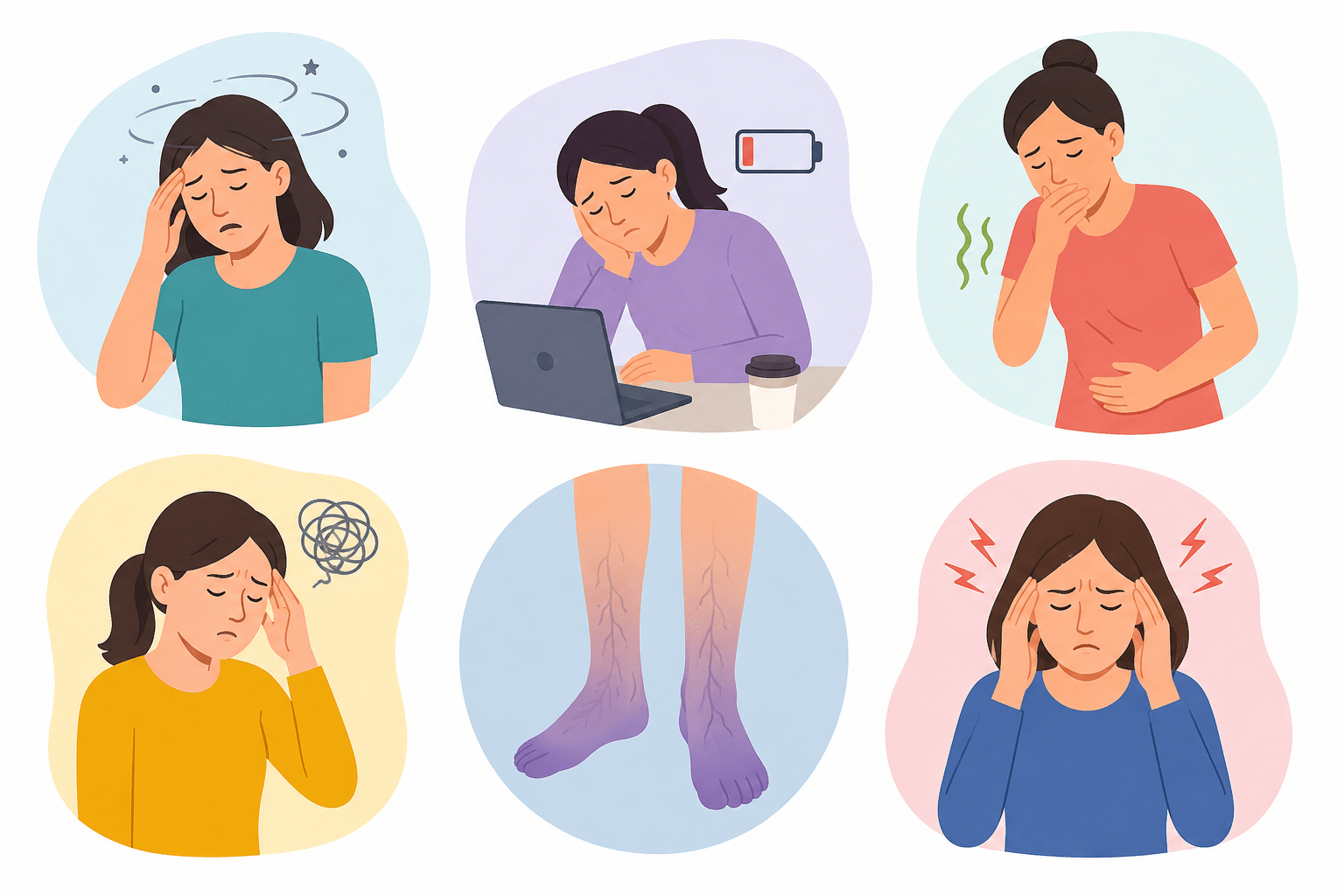

Postural Orthostatic Tachycardia Syndrome, commonly known as Postural Orthostatic Tachycardia Syndrome, is a condition that affects blood circulation and the autonomic nervous system. People with POTS often experience symptoms when they move from sitting or lying down to standing. While some symptoms are very common and widely recognised, others are rare and can make diagnosis more confusing.
Because POTS affects multiple body systems, symptoms can vary greatly from one person to another. Understanding the difference between common and rare POTS symptoms can help patients seek proper care, avoid unnecessary worry, and recognise when medical attention is needed.
What Is POTS?
POTS is a form of dysautonomia, meaning the autonomic nervous system does not regulate body functions properly. One hallmark sign is a rapid increase in heart rate when standing. This can lead to dizziness, weakness, fatigue, and many other symptoms that affect daily life.
POTS is more commonly diagnosed in women, especially between the ages of 15 and 50, although anyone can develop it. Symptoms may appear suddenly after illness, surgery, pregnancy, or periods of intense stress.
Common POTS Symptoms
These symptoms are frequently reported by people living with POTS and are usually the first signs doctors look for during diagnosis.
1. Rapid Heart Rate Upon Standing
One of the most recognised symptoms of POTS is a significant increase in heart rate after standing up. Many people describe feeling their hearts race even after mild activity.
Common experiences include:
- Palpitations
- Fluttering heartbeat
- Chest discomfort
- Feeling shaky or anxious
This happens because the body struggles to regulate blood flow properly when upright.
2. Dizziness and Lightheadedness
Many people with POTS feel dizzy when standing for long periods. Some may even feel close to fainting.
This symptom often worsens:
- In hot weather
- After dehydration
- During illness
- After long periods of standing
3. Chronic Fatigue
Fatigue in POTS is more than simple tiredness. Many patients describe extreme exhaustion that interferes with work, school, and daily activities.
Even after sleeping, individuals may still feel drained or physically weak throughout the day.
4. Brain Fog
Brain fog refers to difficulty concentrating, memory problems, and mental fatigue. Patients may struggle to:
- Focus on conversations
- Remember tasks
- Process information quickly
Brain fog can significantly affect productivity and emotional well-being.
5. Exercise Intolerance
People with POTS may feel exhausted or symptomatic after physical activity. Activities that seem simple for others can trigger:
- Rapid heartbeat
- Shortness of breath
- Dizziness
- Weakness
Because of this, exercise routines often need to be modified gradually.
6. Headaches and Migraines
Frequent headaches are common in POTS patients. Some experience migraines triggered by blood flow changes, dehydration, or nervous system dysfunction.
7. Digestive Issues
The autonomic nervous system also affects digestion, so many individuals with POTS experience gastrointestinal symptoms such as:
- Nausea
- Bloating
- Constipation
- Diarrhea
- Stomach pain
Some people notice symptoms become worse after large meals.
Read our latest blog: https://drcynthia.com/blog/digestive-symptoms-of-pots-nausea-bloating-and-gi-issues-explained/
Rare POTS Symptoms
While less common, rare POTS symptoms can still occur and may surprise patients or healthcare providers.
1. Purple or Bluish Legs When Standing
Some individuals develop blood pooling in the lower limbs, causing the legs or feet to appear reddish, purple, or bluish after standing.
This happens because blood circulation is not functioning efficiently.
2. Tremors or Shaking
Some POTS patients experience visible shaking or tremors, especially during symptom flare-ups. These episodes may resemble anxiety attacks but are related to autonomic dysfunction.
3. Temperature Regulation Problems
Rarely, individuals may struggle to regulate body temperature. Symptoms can include:
- Excessive sweating
- Feeling unusually cold
- Heat intolerance
- Sudden hot flashes
Weather changes can sometimes trigger symptom flares.
4. Vision Changes
Some people with POTS report:
- Blurred vision
- Tunnel vision
- Light sensitivity
- Difficulty focusing
These symptoms often happen during dizziness episodes or before fainting.
5. Shortness of Breath Without Lung Disease
Even with healthy lungs, some patients feel unable to take a deep breath. This symptom may become more noticeable during standing or physical exertion.
6. Sleep Disturbances
Although fatigue is common, sleep disorders themselves are less frequently discussed. Some people experience:
- Insomnia
- Restless sleep
- Frequent waking
- Night sweats
Poor sleep can worsen daytime symptoms significantly.
7. Sensitivity to Noise or Light
Some individuals develop heightened sensory sensitivity, making crowded or bright environments overwhelming.
This symptom may overlap with migraines or nervous system overstimulation.
Why POTS Symptoms Vary So Much
POTS is a complex condition with several possible underlying causes. Factors that influence symptoms include:
- Blood circulation abnormalities
- Nervous system dysfunction
- Hormonal changes
- Autoimmune conditions
- Deconditioning
- Dehydration
Some people mainly experience cardiovascular symptoms, while others struggle more with digestive, neurological, or fatigue-related issues.
When Symptoms May Signal Something More Serious
Although POTS itself can be challenging, certain symptoms should never be ignored. Seek medical care if symptoms include:
- Severe chest pain
- Difficulty breathing
- Loss of consciousness
- New neurological symptoms
- High fever
- Sudden weakness on one side of the body
These may indicate conditions unrelated to POTS that require urgent evaluation.
How POTS Symptoms Are Managed
There is no single cure for POTS, but many people improve with proper management. Treatment often includes:
- Increasing fluid intake
- Higher salt intake is recommended by a doctor
- Compression stockings
- Gentle exercise programs
- Stress management
- Medications prescribed for heart rate or blood pressure support
Lifestyle changes can play a major role in reducing symptom severity over time.
Living With POTS
Living with POTS can feel frustrating because symptoms are often invisible to others and may change from day to day. Many patients spend years searching for answers before receiving a diagnosis.
Learning which symptoms are common and which are rare can help patients better understand their condition and communicate effectively with healthcare providers. Tracking symptoms, staying hydrated, and building supportive routines can make daily life more manageable.
Final Thoughts
POTS affects each person differently. Common symptoms like dizziness, rapid heartbeat, fatigue, and brain fog are widely recognised, while rare symptoms such as vision changes, temperature issues, or blood pooling may be overlooked.
Recognising the difference between common and rare POTS symptoms can help individuals seek timely support and feel more informed about their health journey. With proper management and awareness, many people with POTS can improve their quality of life and regain greater control over their symptoms.