We have moved to
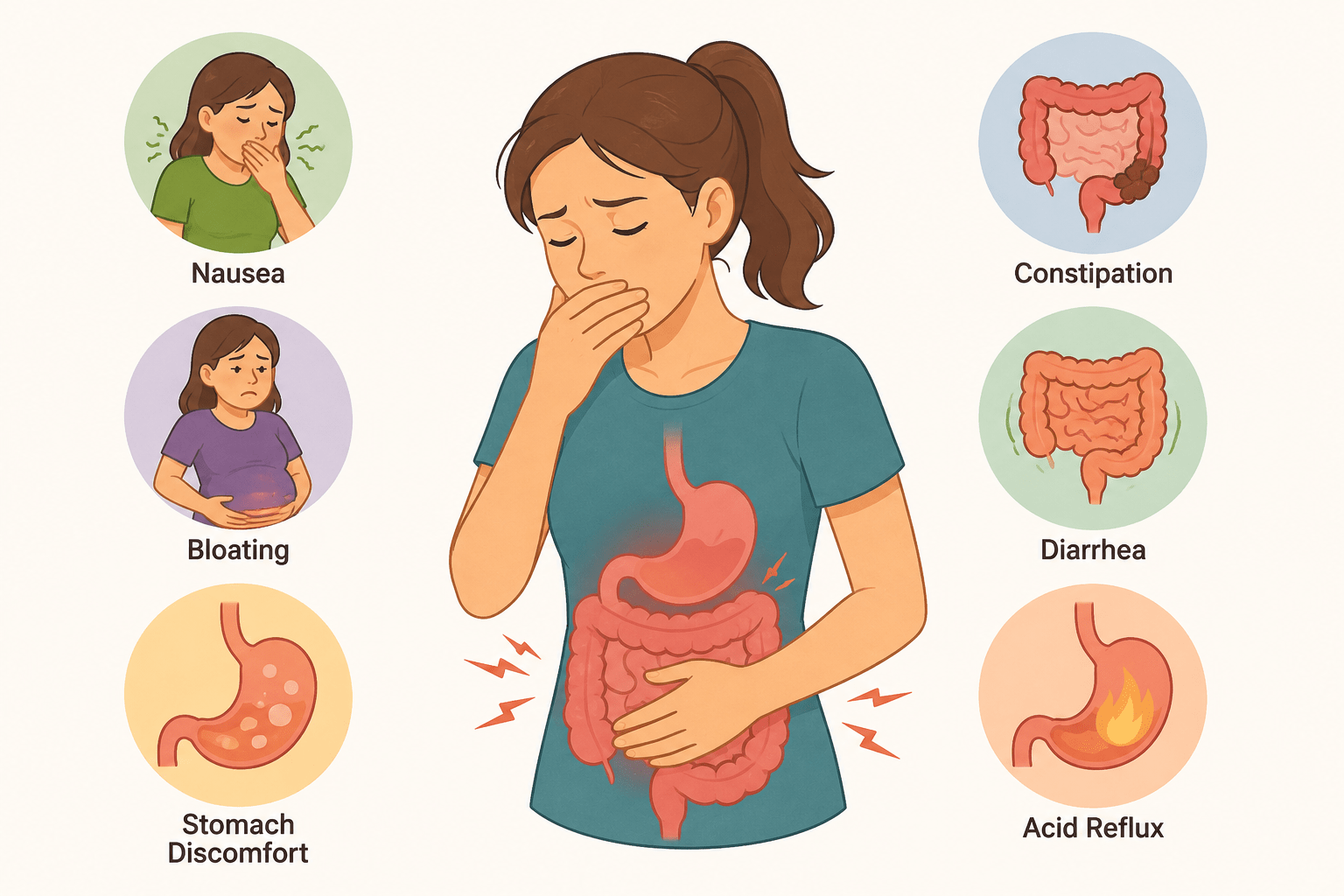

Living with Postural Orthostatic Tachycardia Syndrome can feel overwhelming, especially when digestive symptoms become part of daily life. While many people associate POTS with dizziness, rapid heartbeat, and fatigue, gastrointestinal (GI) issues are also extremely common. Nausea, bloating, stomach pain, constipation, diarrhoea, and poor appetite can significantly affect comfort, nutrition, and quality of life.
For many patients, these digestive problems are confusing because they may not immediately seem connected to a nervous system disorder. However, the digestive system and the autonomic nervous system are closely linked. When autonomic function is disrupted in POTS, digestion can also slow down or become irregular.
Understanding why these symptoms happen and how to manage them can make daily life more manageable and improve overall well-being.
What Is POTS?
Postural Orthostatic Tachycardia Syndrome is a condition that affects the autonomic nervous system, which controls automatic body functions such as heart rate, blood pressure, digestion, temperature regulation, and breathing.
People with POTS typically experience symptoms when moving from sitting or lying down to standing. The heart rate increases abnormally, and blood circulation may not function efficiently. Common symptoms include:
- Rapid heartbeat
- Dizziness or lightheadedness
- Fatigue
- Brain fog
- Weakness
- Fainting
- Headaches
However, digestive symptoms are also very common and can sometimes become one of the most troublesome parts of the condition.
Why Does POTS Affect Digestion?
The digestive tract depends heavily on the autonomic nervous system to move food through the stomach and intestines properly. In POTS, autonomic dysfunction can interfere with normal digestive movement, blood flow, and signalling between the brain and gut.
When digestion slows down or becomes irregular, symptoms such as nausea, bloating, and abdominal discomfort may develop.
Several factors contribute to GI symptoms in POTS:
Reduced Blood Flow to the Digestive System
In POTS, blood circulation may prioritise the heart and brain when standing, reducing blood flow to the stomach and intestines. This can lead to digestive discomfort, nausea, or fullness after eating.
Delayed Stomach Emptying
Some people with POTS experience gastroparesis, a condition where the stomach empties too slowly. Food remains in the stomach longer than normal, causing:
- Nausea
- Vomiting
- Bloating
- Early fullness
- Stomach pain
Abnormal Gut Motility
The intestines may move too slowly or too quickly, leading to constipation or diarrhoea. This irregular movement can also contribute to gas buildup and abdominal cramping.
Increased Sensitivity
People with POTS may develop heightened sensitivity in the digestive tract, making normal digestion feel painful or uncomfortable.
Read our latest blog: https://drcynthia.com/blog/pots-and-anxiety-symptom-overlap-or-separate-conditions/
Common Digestive Symptoms of POTS
Digestive symptoms vary from person to person. Some individuals experience mild discomfort occasionally, while others struggle daily.
Nausea
Nausea is one of the most common GI symptoms in POTS. It may occur:
- After meals
- When standing
- During flare-ups
- In the morning
- Alongside dizziness
Some people feel constantly nauseated, while others experience episodes triggered by stress, dehydration, or certain foods.
Bloating
Bloating occurs when the digestive system slows down, or gas builds up in the intestines. The abdomen may feel tight, swollen, or uncomfortable after eating even small meals.
This can become frustrating because it may happen regardless of food quantity.
Abdominal Pain
Cramping, pressure, or stomach discomfort can occur due to slow digestion, gas buildup, or altered gut motility.
Pain may worsen after meals or during periods of stress and fatigue.
Constipation
Sluggish intestinal movement can cause constipation in many people with POTS. Symptoms may include:
- Hard stools
- Infrequent bowel movements
- Straining
- Feeling incompletely emptied
Dehydration can make constipation worse.
Diarrhea
Some individuals experience diarrhoea instead of constipation. Rapid intestinal movement can lead to urgency, loose stools, and abdominal cramping.
Early Fullness
Feeling full after only a few bites may indicate delayed stomach emptying. This symptom can make it difficult to eat enough calories or maintain proper nutrition.
Acid Reflux
Digestive dysfunction may also contribute to reflux or heartburn, especially when stomach emptying is delayed.
How Digestive Symptoms Affect Daily Life
GI symptoms in POTS can have a major impact on physical and emotional health.
Many people struggle with:
- Difficulty eating regular meals
- Fear of symptom flare-ups
- Weight changes
- Nutritional deficiencies
- Fatigue from inadequate calorie intake
- Anxiety around food
Digestive issues may also worsen dehydration, which can further intensify POTS symptoms such as dizziness and rapid heartbeat.
This creates a frustrating cycle where digestive symptoms and autonomic symptoms feed into each other.
Foods That May Trigger Symptoms
Triggers vary widely, but some foods commonly worsen GI symptoms in people with POTS.
Potential triggers include:
- Large meals
- Greasy or fried foods
- Highly processed foods
- Excess sugar
- Carbonated beverages
- Alcohol
- Spicy foods
- High-fat meals
Heavy meals may divert more blood to the digestive system, worsening dizziness and fatigue after eating.
Keeping a food and symptom journal may help identify personal triggers.
Tips to Manage Digestive Symptoms in POTS
Although symptoms can be challenging, lifestyle changes often help reduce discomfort and improve digestion.
Eat Smaller, More Frequent Meals
Large meals can worsen bloating and nausea. Smaller meals spread throughout the day may be easier to digest.
Stay Hydrated
Proper hydration is essential for both POTS and digestive health. Drinking enough fluids may help improve circulation and bowel function.
Many people with POTS are also advised by healthcare providers to increase electrolyte intake.
Increase Salt Intake if Recommended
Some individuals with POTS benefit from increased sodium intake to help maintain blood volume. However, this should only be done under medical guidance.
Avoid Lying Down Immediately After Eating
Remaining upright after meals may reduce reflux and help digestion move more effectively.
Focus on Easily Digestible Foods
Simple foods may be gentler on the stomach during flare-ups. Examples include:
- Rice
- Bananas
- Toast
- Applesauce
- Oatmeal
- Soups
Manage Stress
Stress and anxiety can worsen GI symptoms by affecting the gut-brain connection. Relaxation techniques, breathing exercises, and gentle movement may help.
Consider Gentle Physical Activity
Light movement, such as short walks, may support digestion and circulation when tolerated.
When to See a Doctor
Digestive symptoms should not be ignored, especially if they become severe or persistent.
Seek medical evaluation if symptoms include:
- Frequent vomiting
- Significant weight loss
- Blood in stool
- Severe abdominal pain
- Difficulty eating
- Ongoing dehydration
- Malnutrition
A healthcare provider may recommend testing to evaluate conditions such as gastroparesis, food intolerances, or other GI disorders that can occur alongside POTS.
Treatment plans may include dietary strategies, medications, hydration therapy, or referrals to gastroenterology specialists.
The Connection Between POTS and the Gut
Researchers continue studying the strong relationship between the autonomic nervous system and digestive health. Many people with POTS also experience related conditions such as:
- Irritable bowel syndrome (IBS)
- Mast cell activation syndrome (MCAS)
- Ehlers-Danlos syndrome (EDS)
- Food sensitivities
Because symptoms overlap, proper diagnosis and individualised treatment are important.
Understanding that digestive symptoms are part of POTS—not “just stress” or “all in your head”—can help patients feel validated and supported.
Final Thoughts
Digestive symptoms in Postural Orthostatic Tachycardia Syndrome are common and can greatly affect daily life. Nausea, bloating, constipation, diarrhoea, and abdominal discomfort often result from autonomic nervous system dysfunction affecting the digestive tract.
While symptoms can be frustrating, identifying triggers, improving hydration, eating smaller meals, and working with healthcare professionals can help manage GI issues more effectively.
Every person with POTS experiences symptoms differently, so finding the right combination of lifestyle adjustments and medical support may take time. With proper care and understanding, many individuals can improve digestive comfort and overall quality of life.