We have moved to
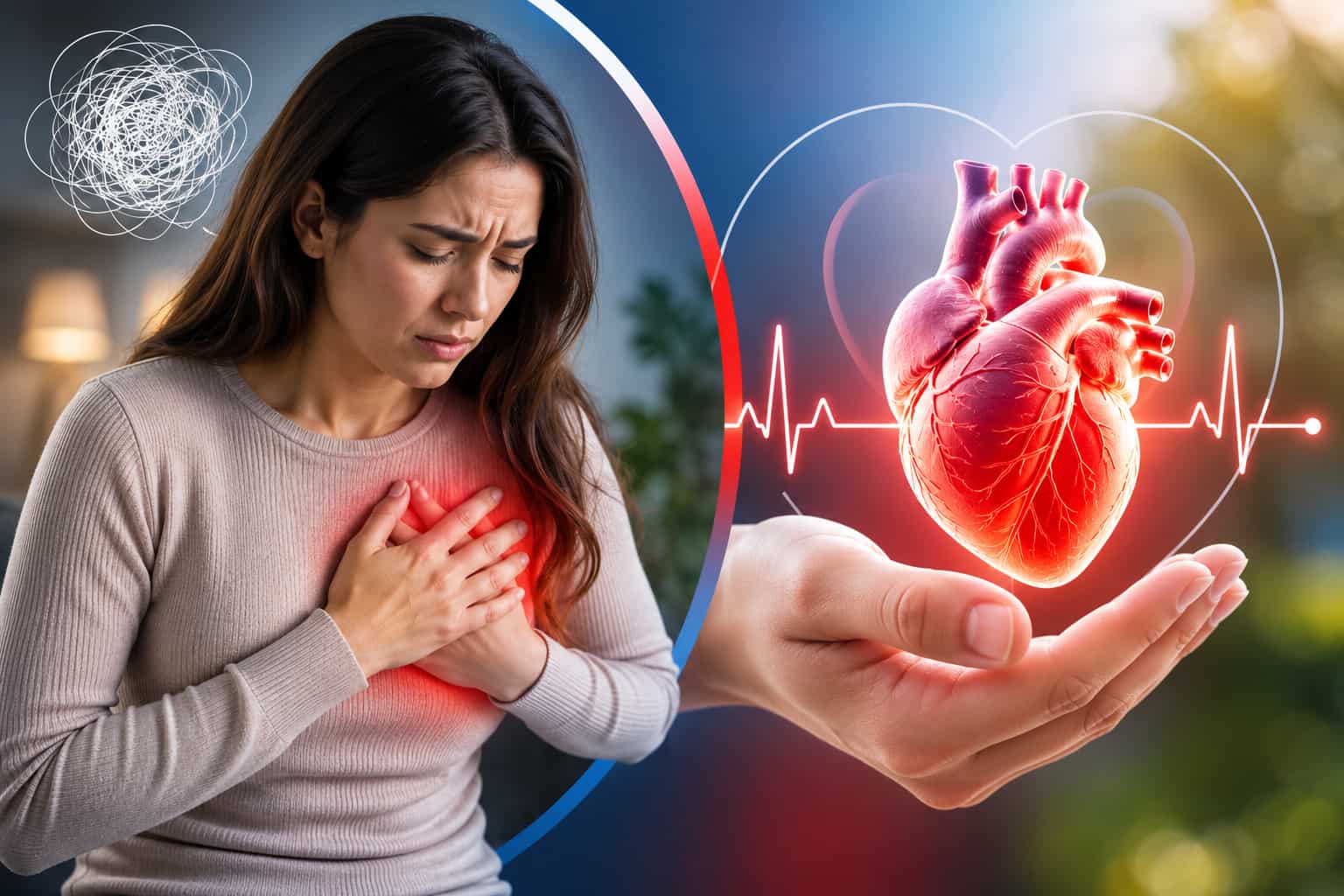

Chest pain is one of the most alarming symptoms a person can experience. The moment discomfort develops in the chest, many people immediately fear the worst—a heart attack or serious cardiac condition. While those concerns should never be ignored, not every episode of chest pain is caused by a heart problem.
In fact, anxiety and stress can trigger physical symptoms that closely resemble heart-related conditions. For many patients, pain in left side of chest, tightness, shortness of breath, and even a heart palpitation can occur during periods of heightened stress.
Understanding the difference between anxiety-related symptoms and potential heart issues can help reduce unnecessary panic while ensuring that serious conditions receive prompt medical attention. The challenge is that both conditions may feel remarkably similar, making it difficult to know what is happening in the moment.
Can Anxiety Really Cause Chest Pain?
The short answer is yes.
Anxiety is not simply a mental or emotional experience. It produces genuine physical reactions throughout the body. When stress levels rise, the body’s fight-or-flight response activates, releasing hormones such as adrenaline and cortisol.
These hormones prepare the body to respond to perceived danger by increasing heart rate, raising blood pressure, and directing blood flow toward major muscle groups.
As a result, individuals may experience:
- Chest tightness
- Rapid heartbeat
- Shortness of breath
- Muscle tension
- Dizziness
- Sweating
- A heart palpitation
- Pain in left side of chest
Although these symptoms can be frightening, they do not necessarily indicate heart disease.
Why Anxiety Causes Pain in the Left Side of the Chest
Many patients become especially concerned when discomfort develops specifically on the left side of the chest.
Because the heart is located slightly left of center, pain in left side of chest often raises concerns about a cardiac event. However, anxiety can affect the muscles, nerves, and breathing patterns throughout the chest wall.
During periods of stress, people often unconsciously tighten muscles in the shoulders, neck, and chest. Prolonged muscle tension can create soreness, aching, or sharp discomfort that may be mistaken for heart-related pain.
Hyperventilation can also contribute to symptoms. Rapid breathing changes oxygen and carbon dioxide levels in the body, potentially causing chest discomfort, tingling sensations, and feelings of pressure.
This combination of muscular tension and altered breathing patterns frequently explains anxiety-related chest pain.
Understanding Heart Palpitations and Anxiety
A heart palpitation is another symptom that commonly causes alarm.
Palpitations may feel like:
- Fluttering in the chest
- Skipped heartbeats
- Racing heartbeat
- Pounding sensations
- Irregular heart rhythm awareness
Stress and anxiety are among the most common triggers of palpitations.
When adrenaline levels increase, the heart naturally responds by beating faster and more forcefully. Many people become highly aware of these changes, particularly during anxiety attacks or stressful situations.
While anxiety-induced palpitations are often harmless, persistent or severe symptoms should always be evaluated by a healthcare professional.
Anxiety Chest Pain vs Heart-Related Chest Pain
Although symptoms can overlap, there are often subtle differences between anxiety-related chest pain and pain caused by heart disease.
Common Features of Anxiety-Related Chest Pain
Anxiety-related discomfort often:
- Appears suddenly during stressful situations
- Occurs during panic attacks
- Feels sharp, stabbing, or localized
- Lasts from a few minutes to several hours
- Improves as anxiety decreases
- May be accompanied by trembling or hyperventilation
The pain may shift location or feel worse when focusing attention on it.
Common Features of Heart-Related Chest Pain
Heart-related pain may:
- Feel like pressure, squeezing, or heaviness
- Occur during physical activity
- Spread to the arm, jaw, neck, or back
- Be associated with nausea
- Cause unexplained fatigue
- Persist despite changes in mood or stress levels
However, these distinctions are not always clear-cut. This is why medical evaluation remains important when symptoms are new, severe, or unusual.
Panic Attacks and Chest Pain
One of the most common causes of anxiety-related pain in left side of chest is a panic attack.
Panic attacks can occur unexpectedly and often create intense physical symptoms that mimic a heart attack.
Symptoms may include:
- Sudden chest pain
- Rapid heartbeat
- Sweating
- Dizziness
- Feeling out of control
- Shortness of breath
- Tingling sensations
- Fear of dying
The experience can be so intense that many people seek emergency medical care, believing they are having a cardiac event.
While panic attacks themselves are not life-threatening, proper diagnosis is important because similar symptoms can occur during genuine heart emergencies.
Risk Factors That Increase Concern for Heart Disease
While anxiety is a common cause of chest pain, certain risk factors increase the likelihood that symptoms may be heart-related.
These include:
- High blood pressure
- Diabetes
- High cholesterol
- Smoking
- Obesity
- Family history of heart disease
- Previous heart conditions
- Advanced age
Individuals with these risk factors should take new or unexplained chest symptoms seriously and seek prompt medical evaluation.
When to Seek Immediate Medical Attention
Never assume that chest discomfort is “just anxiety.”
Emergency medical care should be sought immediately if chest pain is accompanied by:
- Severe pressure or crushing sensations
- Pain spreading to the jaw or left arm
- Difficulty breathing
- Fainting
- Cold sweats
- Sudden weakness
- Persistent symptoms lasting more than several minutes
Even individuals with known anxiety disorders can develop heart problems. When in doubt, it is always safer to seek medical assessment.
How Doctors Evaluate Chest Pain
When a patient presents with pain in left side of chest, healthcare providers focus first on ruling out potentially serious conditions.
Evaluation may include:
Medical History
Doctors will ask about:
- Symptom duration
- Pain characteristics
- Triggers
- Family history
- Existing medical conditions
Physical Examination
A thorough examination helps identify potential cardiovascular, respiratory, or musculoskeletal causes.
Diagnostic Testing
Depending on symptoms, testing may include:
- Electrocardiogram (ECG)
- Blood tests
- Chest X-rays
- Echocardiograms
- Stress testing
These evaluations help determine whether symptoms are related to anxiety, heart disease, or another medical condition.
Managing Anxiety-Related Chest Pain
Once serious medical conditions have been excluded, treatment often focuses on reducing anxiety and stress.
Practice Controlled Breathing
Slow, deep breathing helps regulate oxygen levels and calm the nervous system.
A simple technique involves:
- Inhaling through the nose for four seconds
- Holding for four seconds
- Exhaling slowly for six seconds
This can reduce both heart palpitation symptoms and chest discomfort.
Improve Stress Management
Regular stress reduction strategies may include:
- Meditation
- Mindfulness exercises
- Yoga
- Journaling
- Relaxation techniques
Stay Physically Active
Exercise supports both cardiovascular health and mental wellbeing.
Regular movement can reduce anxiety symptoms while improving overall health.
Prioritize Sleep
Poor sleep often worsens anxiety and increases sensitivity to physical symptoms.
Aim for consistent, high-quality sleep whenever possible.
Seek Professional Support
Persistent anxiety may benefit from professional treatment such as:
- Cognitive behavioral therapy (CBT)
- Counseling
- Stress management programs
- Medication when appropriate
Addressing underlying anxiety can significantly reduce episodes of chest pain and heart palpitation symptoms.
Why Anxiety Symptoms Feel So Real
One reason anxiety causes so much concern is that the physical symptoms are genuine.
Patients are not imagining their discomfort.
Stress activates measurable physiological changes throughout the body, including increased heart rate, muscle tension, and altered breathing patterns. These changes can create very real pain in left side of chest and sensations that closely resemble heart disease.
Understanding this connection often helps patients feel more empowered and less fearful when symptoms occur.
The Importance of Listening to Your Body
While anxiety is a common explanation for chest discomfort, self-diagnosis should never replace professional medical care.
Every episode of new, unusual, or severe chest pain deserves attention, especially when accompanied by other concerning symptoms.
The goal is not to assume the worst, but also not to dismiss warning signs that may require medical evaluation.
Read Our Latest Blog:- https://drcynthia.com/blog/questions-to-ask-during-your-first-pots-consultation/
Final Thoughts
Distinguishing between anxiety-related chest pain and heart problems can be challenging because the symptoms often overlap. Anxiety can cause very real physical reactions, including pain in left side of chest, shortness of breath, and a noticeable heart palpitation.
While these symptoms are frequently linked to stress and panic disorders, they should never be ignored without proper evaluation. Understanding your risk factors, recognizing symptom patterns, and seeking timely medical advice are essential steps in protecting your health.
If you regularly experience chest discomfort, palpitations, or anxiety-related symptoms, speaking with a qualified healthcare provider can help identify the underlying cause and guide you toward the most appropriate treatment plan. Peace of mind often begins with understanding what your body is trying to tell you.