We have moved to
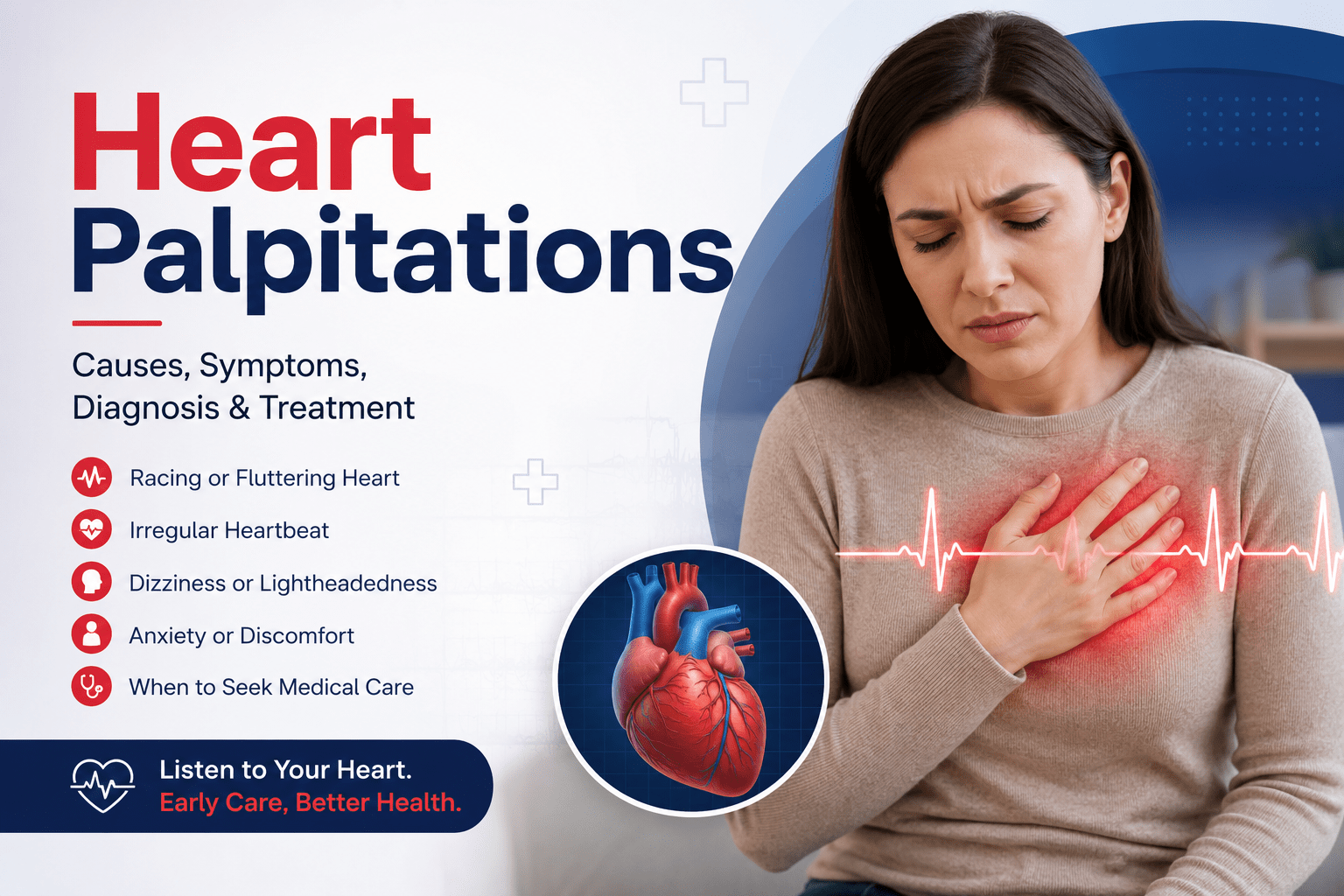

Have you ever felt your heart suddenly flutter, pound, race, or skip a beat? These sensations are known as heart palpitations, and while they can be alarming, they are often harmless. However, in some cases, heart palpitations may signal an underlying heart condition that requires prompt medical attention.
Understanding the causes, symptoms, and available treatment options can help you recognize when your symptoms are normal and when it’s time to seek expert care. At Dr. Cynthia Thaik’s holistic cardiology practice, the focus is on identifying the root cause of heart palpitations while supporting long-term cardiovascular wellness through personalized treatment.
What Are Heart Palpitations?
Heart palpitations are sensations where you become unusually aware of your heartbeat. Your heart may feel like it is:
- Racing
- Fluttering
- Pounding
- Skipping beats
- Beating irregularly
- Thumping forcefully
These sensations can occur while resting, exercising, lying down, or even during periods of emotional stress. Palpitations may last for just a few seconds or continue for several minutes.
Although many people experience heart palpitations occasionally, frequent or persistent episodes deserve evaluation by a cardiologist.
Also Read – Coping With Flare-Ups: Managing POTS Symptoms on Tough Days
Common Causes of Heart Palpitations
Heart palpitations can result from a wide variety of physical, emotional, and medical factors.
1. Stress and Anxiety
Emotional stress is among the most common triggers. During periods of anxiety, your body releases adrenaline, which increases heart rate and may cause noticeable palpitations.
Common stress-related triggers include:
- Panic attacks
- Emotional distress
- Lack of sleep
- High-pressure situations
2. Caffeine and Stimulants
Large amounts of caffeine can stimulate your nervous system and temporarily increase your heart rate.
Common stimulants include:
- Coffee
- Energy drinks
- Strong tea
- Certain weight-loss supplements
- Nicotine
3. Hormonal Changes
Fluctuations in hormone levels may contribute to heart palpitations, especially during:
- Pregnancy
- Menopause
- Menstrual cycles
- Thyroid disorders
4. Heart Rhythm Disorders (Arrhythmias)
Some palpitations are caused by abnormal electrical activity within the heart.
Examples include:
- Atrial fibrillation
- Supraventricular tachycardia (SVT)
- Premature atrial contractions (PACs)
- Premature ventricular contractions (PVCs)
These conditions often require specialized cardiac evaluation.
5. Medications
Certain medications may increase heart rate, including:
- Asthma inhalers
- Decongestants
- Thyroid medications
- Some antidepressants
- ADHD medications
Never stop prescribed medication without consulting your physician.
6. Medical Conditions
Several health conditions may contribute to heart palpitations, including:
- High blood pressure
- Anemia
- Hyperthyroidism
- Low blood sugar
- Fever
- Electrolyte imbalances
- Dehydration
Treating the underlying condition often improves symptoms.
Heart Palpitations Symptoms
People experience heart palpitations differently.
Common symptoms include:
- Rapid heartbeat
- Fluttering sensation in the chest
- Heart skipping beats
- Strong pounding heartbeat
- Chest discomfort
- Feeling your heartbeat in your neck or throat
Some people experience additional symptoms such as:
- Dizziness
- Lightheadedness
- Fatigue
- Shortness of breath
- Mild chest pressure
When Are Heart Palpitations Dangerous?
While many cases are harmless, you should seek immediate medical care if heart palpitations occur alongside:
- Chest pain
- Severe shortness of breath
- Fainting
- Loss of consciousness
- Persistent rapid heartbeat
- Severe dizziness
- Sudden weakness
These symptoms may indicate a potentially serious heart condition requiring emergency evaluation.
Also Read – Medicinal Spices That Help Lower Blood Pressure
How Are Heart Palpitations Diagnosed?
Diagnosing heart palpitations begins with a comprehensive medical history and physical examination.
Your cardiologist may recommend:
Electrocardiogram (ECG)
Measures the heart’s electrical activity and detects abnormal rhythms.
Holter Monitor
A portable monitor worn for 24–48 hours to record heart rhythms during daily activities.
Event Monitor
Used for intermittent symptoms over several days or weeks.
Echocardiogram
An ultrasound of the heart that evaluates heart structure, valves, and pumping function.
Blood Tests
These may check for:
- Thyroid function
- Electrolyte levels
- Anemia
- Inflammation
- Other metabolic conditions
Stress Test
Assesses how your heart performs during exercise and helps identify exercise-related rhythm abnormalities.
Treatment for Heart Palpitations
Treatment depends on the underlying cause.
Lifestyle Changes
Many patients improve with simple lifestyle adjustments:
- Reduce caffeine intake
- Stay hydrated
- Get adequate sleep
- Limit alcohol
- Quit smoking
- Exercise regularly
- Practice stress management
Stress Reduction
Because anxiety frequently contributes to heart palpitations, relaxation techniques can help, including:
- Deep breathing
- Meditation
- Yoga
- Mindfulness
- Counseling when appropriate
Medication
If an arrhythmia or another medical condition is identified, your physician may prescribe medications to regulate heart rhythm or address the underlying cause.
Advanced Cardiac Care
Some rhythm disorders may require:
- Catheter ablation
- Pacemaker implantation
- Ongoing cardiac monitoring
- Specialized electrophysiology care
Your treatment plan should always be individualized based on your diagnosis and overall health.
Holistic Heart Care for Heart Palpitations
A holistic approach recognizes that heart health is influenced by more than the heart itself. Nutrition, stress, sleep, physical activity, hormonal balance, and overall wellness all play important roles.
Comprehensive care may include:
- Personalized nutrition guidance
- Lifestyle modification
- Stress management techniques
- Preventive cardiovascular screenings
- Risk factor assessment
- Ongoing monitoring and follow-up
Addressing these factors alongside conventional medical evaluation can support better long-term heart health and quality of life.
Tips to Help Prevent Heart Palpitations
Although not every episode can be prevented, healthy habits may reduce their frequency:
- Drink enough water daily.
- Limit caffeine and energy drinks.
- Avoid tobacco products.
- Manage stress effectively.
- Maintain a healthy weight.
- Exercise regularly with your physician’s guidance.
- Get 7–9 hours of sleep each night.
- Keep blood pressure, cholesterol, and blood sugar under control.
- Follow up regularly if you have a known heart condition.
When Should You See a Cardiologist?
Schedule an appointment if you experience:
- Frequent heart palpitations
- New or worsening symptoms
- Palpitations lasting several minutes
- Episodes during exercise
- Family history of sudden cardiac death
- Known heart disease
- Palpitations associated with dizziness or shortness of breath
Early evaluation can help identify the cause and determine whether treatment is necessary.
Frequently Asked Questions (FAQs)
1. Are heart palpitations always a sign of heart disease?
No. Many heart palpitations are triggered by stress, caffeine, dehydration, or hormonal changes. However, persistent or severe symptoms should be evaluated to rule out an underlying heart condition.
2. What is the most common cause of heart palpitations?
Stress, anxiety, caffeine, and stimulant use are among the most common causes. Medical conditions such as thyroid disorders or heart rhythm abnormalities can also contribute.
3. Can dehydration cause heart palpitations?
Yes. Dehydration can affect electrolyte balance and blood volume, which may lead to heart palpitations in some people.
4. When should I seek emergency care for heart palpitations?
Seek immediate medical attention if palpitations occur with chest pain, fainting, severe shortness of breath, or persistent rapid heart rate.
5. Can lifestyle changes help reduce heart palpitations?
Yes. Staying hydrated, limiting caffeine and alcohol, managing stress, getting enough sleep, exercising regularly, and avoiding tobacco can reduce the frequency of palpitations for many individuals.