We have moved to
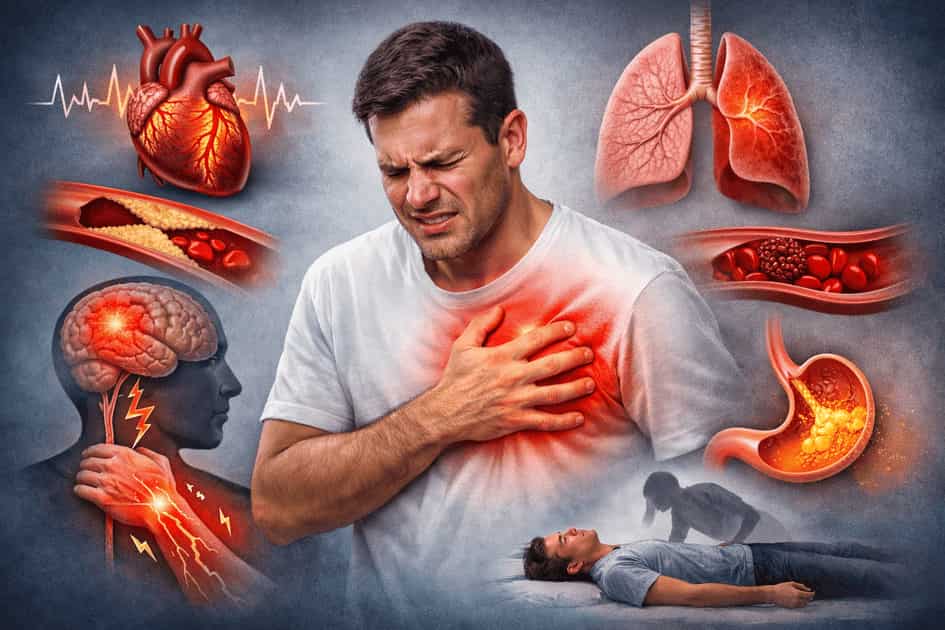

Chest pain is one of those symptoms people rarely ignore. The moment it appears—especially on the left side—it often triggers concern about the heart. While not every episode of chest pain signals a heart emergency, understanding the chest left side pain reason behind it can make a critical difference in how quickly someone seeks care.
From muscular strain to heart-related conditions, left-sided chest pain can have many causes. The key is knowing which symptoms are harmless and which demand immediate medical attention. With guidance rooted in holistic cardiology, experts like Dr Cynthia Thaik emphasize understanding the body as a whole rather than viewing chest pain as a single isolated symptom.
In this guide, we’ll break down the common reasons behind chest pain on the left side, the warning signs you should never ignore, and when it’s time to seek emergency care.
Why Chest Pain on the Left Side Feels So Concerning
The heart sits slightly toward the left side of the chest. Because of that positioning, people often associate any discomfort there with heart disease or a heart attack. While that’s not always the case, the concern is understandable.
A chest left side pain reason may originate from several systems in the body, including:
- The cardiovascular system
- The lungs
- The digestive system
- Muscles and bones
- Nerves and connective tissue
In many cases, the cause may be minor. However, chest pain should never be dismissed without understanding the context and accompanying symptoms.
Within holistic cardiology, physicians look at lifestyle, stress levels, inflammation, and overall wellness to determine the root cause of chest discomfort rather than focusing solely on symptoms.
Common Chest Left Side Pain Reasons
Understanding the most common triggers can help you determine whether symptoms might require urgent care.
1. Heart-Related Causes
When people experience chest pain, their first concern is usually a cardiac issue. And in some situations, that concern is justified.
Potential heart-related causes include:
- Heart attack
- Angina (reduced blood flow to the heart)
- Pericarditis (inflammation of the heart lining)
- Coronary artery disease
These conditions can reduce oxygen supply to heart tissue, creating pressure or pain that often radiates through the chest.
According to Dr Cynthia Thaik, identifying cardiac chest pain early is crucial because delayed treatment can significantly increase complications.
Heart-related chest pain may feel like:
- Tightness or pressure
- A squeezing sensation
- Burning discomfort
- Pain spreading to the left arm or jaw
If these symptoms appear suddenly or worsen quickly, emergency evaluation is essential.
2. Musculoskeletal Strain
One surprisingly common chest left side pain reason is muscle strain.
Everyday activities can trigger this type of discomfort, including:
- Heavy lifting
- Intense workouts
- Sudden movements
- Poor posture
- Prolonged desk work
Unlike heart-related chest pain, musculoskeletal pain often:
- Worsens with movement
- Is tender when touched
- Improves with rest
While it can feel alarming, this type of chest pain is generally less dangerous.
However, if the pain persists or occurs alongside other symptoms like shortness of breath, medical evaluation is still important.
3. Digestive Issues
Digestive conditions are another frequent but overlooked cause of chest pain on the left side.
Common digestive triggers include:
- Acid reflux
- Gastroesophageal reflux disease (GERD)
- Esophageal spasms
- Gas buildup
These conditions can create burning or pressure sensations that mimic heart pain.
In holistic cardiology, physicians often look closely at diet, stress levels, and gut health because digestive inflammation can sometimes contribute to symptoms mistaken for heart problems.
People experiencing digestive-related chest pain may notice symptoms after:
- Large meals
- Spicy foods
- Alcohol consumption
- Lying down shortly after eating
4. Lung-Related Conditions
Certain lung conditions can also explain a chest left side pain reason, especially when breathing is involved.
Examples include:
- Pneumonia
- Pulmonary embolism
- Pleurisy (inflammation of lung lining)
- Collapsed lung
These conditions typically produce additional symptoms such as:
- Sharp pain during breathing
- Persistent cough
- Fever
- Shortness of breath
Some lung-related causes—like pulmonary embolism—can be life-threatening and require immediate care.
5. Stress and Anxiety
Many people are surprised to learn that stress and anxiety can trigger significant chest pain.
During anxiety episodes, the body activates the “fight or flight” response, which may cause:
- Rapid heartbeat
- Muscle tension
- Tightness in the chest
- Difficulty breathing
Chronic stress can also increase inflammation and affect heart health over time.
This is why holistic cardiology emphasizes mental well-being alongside physical heart care. Physicians like Dr Cynthia Thaik often address stress management, breathing techniques, and lifestyle balance as part of cardiovascular health.
Symptoms That Require Immediate Medical Attention
While many cases of chest discomfort turn out to be harmless, some symptoms should never be ignored.
Seek emergency medical care if chest pain occurs alongside:
- Pressure or squeezing sensation in the chest
- Pain spreading to the arm, neck, or jaw
- Shortness of breath
- Cold sweats
- Nausea or vomiting
- Sudden dizziness or fainting
- Extreme fatigue
These symptoms may indicate a heart attack or other serious cardiovascular condition.
Understanding the chest left side pain reason quickly can be life-saving.
When Chest Pain Is Not an Emergency
Not every case of chest pain signals a serious health problem.
Less urgent causes may include:
- Muscle soreness after exercise
- Mild acid reflux
- Temporary anxiety
- Minor inflammation
However, even mild chest discomfort should be evaluated if:
- It lasts longer than a few days
- It keeps returning
- It worsens over time
- You have a history of heart disease
According to Dr Cynthia Thaik, prevention and early detection remain the best strategies for protecting long-term heart health.
The Holistic Cardiology Approach to Chest Pain
Traditional cardiology often focuses on diagnosing and treating heart disease once symptoms appear. Holistic cardiology, however, takes a broader approach.
It looks at how lifestyle and whole-body health influence cardiovascular wellness.
A holistic evaluation may include:
- Stress levels
- Sleep patterns
- Diet and nutrition
- Inflammation markers
- Emotional health
- Exercise habits
By addressing these factors, physicians aim to uncover the deeper chest left side pain reason instead of simply managing symptoms.
Dr Cynthia Thaik, a pioneer in holistic cardiology, emphasizes combining conventional cardiology with lifestyle medicine to support long-term heart health.
Preventing Chest Pain Through Lifestyle Choices
While not all causes of chest pain are preventable, certain lifestyle habits can significantly reduce risk.
Maintain Heart-Healthy Nutrition
A balanced diet supports cardiovascular health and reduces inflammation.
Heart-friendly foods include:
- Leafy greens
- Whole grains
- Omega-3 rich fish
- Nuts and seeds
- Fresh fruits
Limiting processed foods, sugar, and excess sodium can also help protect the heart.
Manage Stress Levels
Chronic stress contributes to heart disease and can trigger chest discomfort.
Helpful strategies include:
- Meditation
- Deep breathing exercises
- Regular physical activity
- Time outdoors
- Adequate sleep
These practices are core elements of holistic cardiology.
Stay Physically Active
Regular exercise strengthens the heart and improves circulation.
Most adults benefit from:
- 150 minutes of moderate activity weekly
- Strength training twice per week
- Daily movement to avoid prolonged sitting
Physical activity can also reduce anxiety-related chest pain.
Schedule Regular Heart Checkups
Routine cardiovascular screenings can detect potential problems early.
Depending on age and risk factors, doctors may recommend:
- Blood pressure monitoring
- Cholesterol testing
- Cardiac imaging
- Stress testing
Working with a cardiologist familiar with holistic health—like Dr Cynthia Thaik—can help patients address both immediate symptoms and long-term prevention.
Final Thoughts
Experiencing chest pain—especially on the left side—can be frightening. While many causes are harmless, others require urgent medical care.
Understanding the possible chest left side pain reason helps people respond quickly and appropriately when symptoms arise.
Whether the cause is muscular strain, digestive discomfort, stress, or a heart condition, evaluating chest pain promptly is always the safest choice.
By combining modern medical diagnostics with lifestyle-focused care, holistic cardiology offers a comprehensive approach to protecting heart health.
Experts like Dr Cynthia Thaik continue to highlight the importance of listening to the body’s warning signals and addressing chest pain with both medical expertise and whole-body awareness.
When it comes to heart health, paying attention today can make all the difference tomorrow.