We have moved to
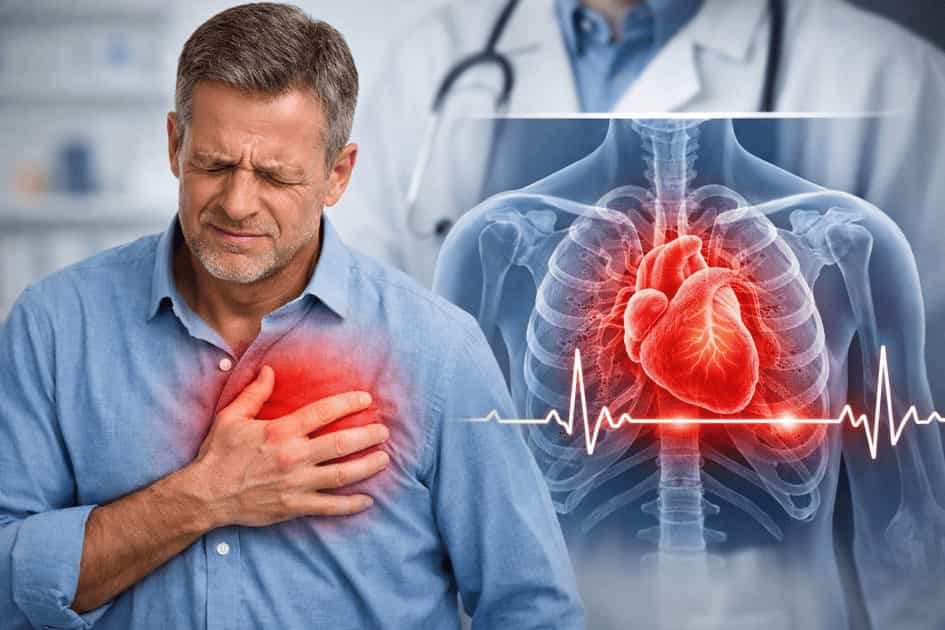

Chest tightness or pressure can be deeply unsettling. For some people, it feels like mild heaviness that comes and goes. For others, however, it’s sharp, persistent, and alarming. While not every case signals a serious medical emergency, ignoring ongoing chest pain symptoms can quietly compromise your long-term heart health.
If you’ve been wondering whether your symptoms are serious—or whether it’s time to seek expert care—this guide will help you understand the real causes, warning signs, and treatment options.
What Does Chest Tightness or Pressure Feel Like?
Chest discomfort doesn’t always feel like pain. Many patients describe it as:
- A squeezing or heavy sensation in the center of the chest
- Pressure that radiates to the shoulders, jaw, or arms
- Burning or tightness after physical activity
- Shortness of breath with mild exertion
These chest pain symptoms can vary widely depending on the underlying cause. That’s why proper diagnosis is essential.
Common Causes of Chest Tightness or Pressure
Chest pain isn’t always heart-related, but cardiac causes are among the most critical to rule out early. Here are the most common triggers.
1. Heart-Related Causes
Cardiac issues remain one of the leading causes of chest pain worldwide. Conditions that may lead to pressure or tightness include:
- Coronary artery disease (blocked arteries)
- Angina (reduced blood flow to the heart)
- Heart valve disorders
- Congestive heart failure
In congestive heart failure, the heart struggles to pump blood efficiently. This can lead to fluid buildup, fatigue, swelling, and persistent chest heaviness. Early intervention significantly improves outcomes and quality of life.
If you notice recurring chest pain symptoms accompanied by breathlessness or fatigue, it’s important not to delay evaluation.
- Gastrointestinal Causes
Surprisingly, digestive problems are a frequent cause of chest discomfort. These may include:
- Acid reflux (GERD)
- Esophageal spasms
- Gastritis or ulcers
The pain may feel like burning or pressure, often worsening after meals or when lying down. While not directly linked to heart health, these conditions can mimic cardiac symptoms closely.
3. Musculoskeletal Causes
Sometimes the cause is far less serious. Muscle strain, rib inflammation, or poor posture can create localized chest pain.
Common triggers include:
- Heavy lifting
- Intense exercise
- Long hours at a desk
- Costochondritis (rib cartilage inflammation)
The pain usually worsens with movement or touch and improves with rest.
4. Anxiety and Stress
Emotional stress can manifest physically. Panic attacks and chronic anxiety often lead to:
- Chest tightness
- Rapid heartbeat
- Dizziness
- Shortness of breath
While stress-related symptoms are real and uncomfortable, they still require proper evaluation to rule out underlying heart conditions.
Warning Signs You Should Never Ignore
Not all chest pain is dangerous, but some red flags require immediate medical attention. Seek care urgently if chest tightness is accompanied by:
- Sudden shortness of breath
- Pain spreading to the left arm or jaw
- Cold sweats
- Nausea or dizziness
- Severe fatigue
These may signal a heart attack or advanced congestive heart failure. Timely treatment can be life-saving.
How Chest Pain Is Diagnosed
A thorough diagnosis is the cornerstone of effective treatment. An experienced cardiologist will evaluate both symptoms and risk factors before recommending tests.
Clinical Evaluation
Your doctor will assess:
- Duration and intensity of chest pain symptoms
- Medical history and family history
- Lifestyle factors such as smoking or inactivity
This initial conversation often provides valuable clues.
Diagnostic Tests
Depending on your symptoms, you may undergo:
- ECG (Electrocardiogram) to assess heart rhythm
- Echocardiogram to evaluate heart function
- Stress tests to detect blocked arteries
- Blood tests for cardiac markers
- Advanced imaging like CT angiography
These tests help differentiate between cardiac and non-cardiac causes while identifying early signs of heart disease.
Treatment Options Based on the Cause
Treatment for chest tightness or pressure varies depending on the diagnosis. A personalized approach ensures better recovery and long-term heart health.
1. Lifestyle Modifications
For mild or early-stage conditions, lifestyle changes can make a significant difference:
- Regular physical activity
- Heart-healthy diet
- Stress management
- Adequate sleep
- Smoking cessation
These foundational steps support overall cardiovascular wellness.
2. Medications
Doctors may prescribe medications such as:
- Blood pressure regulators
- Cholesterol-lowering drugs
- Blood thinners
- Diuretics (especially for congestive heart failure)
Medication plans are tailored based on severity and risk profile.
3. Interventional Procedures
When blockages or structural issues are detected, minimally invasive procedures may be recommended:
- Angioplasty and stenting
- Pacemaker implantation
- Valve repair procedures
Modern cardiology offers advanced solutions with faster recovery and improved outcomes.
4. Managing Congestive Heart Failure
Treatment for congestive heart failure focuses on improving heart function and preventing progression. This often involves a combination of:
- Medications
- Dietary changes (low sodium)
- Fluid management
- Regular monitoring
With consistent care, many patients lead active, fulfilling lives.
Why Early Detection Matters
Ignoring recurring chest pain symptoms can lead to delayed diagnosis and complications. Early detection allows:
- Better treatment outcomes
- Lower risk of heart attack
- Improved quality of life
- Reduced hospitalization rates
When it comes to heart health, prevention and early intervention go hand in hand.
Simple Ways to Protect Your Heart Health
Even if your symptoms are mild, proactive care goes a long way. Consider these preventive measures:
- Get regular heart screenings
- Maintain a healthy weight
- Stay physically active
- Limit processed foods
- Monitor blood pressure and sugar levels
These habits not only prevent heart disease but also improve overall well-being.
When Should You See a Specialist?
You should consult a cardiologist if you experience:
- Recurrent chest tightness
- Breathlessness during daily activities
- Unexplained fatigue
- Family history of heart disease
- Existing conditions like diabetes or hypertension
A specialist can identify subtle warning signs that general evaluations might miss.
Expert Care Makes the Difference
Ultimately, chest pain is never something to self-diagnose. While some causes are harmless, others require timely medical attention. Therefore, consulting an experienced heart specialist ensures accurate diagnosis and tailored treatment.
If you’ve been experiencing persistent chest pain symptoms, don’t wait for them to worsen. Instead, prioritize your heart health before complications arise
Take the First Step Toward Better Heart Health
If chest tightness or pressure has been worrying you, seeking clarity is the smartest next step. Early evaluation not only helps rule out serious conditions like congestive heart failure but also provides peace of mind.
Your heart deserves expert attention. So, if you’re noticing recurring symptoms or simply want a preventive check-up, now is the right time to act.
Book an appointment today and take a proactive step toward safeguarding your heart health.