We have moved to


A friend of mine got her cholesterol checked last spring. Doctor said it looked fine, told her to exercise more, and that was that. Five minutes, maybe less. She walked out with no idea whether “fine” actually meant fine for her.
Plenty of people have had that exact visit. Heart disease is still the leading cause of death in the US, and it often builds for years without any symptoms. A quick “you’re okay” doesn’t tell you much about that. So what does a more personal approach look like? Here’s how a holistic cardiologist usually goes about it.
Why Generic Prevention Advice Falls Short
Standard advice is written for the average person, and almost nobody is the average person.
Take two people with the same cholesterol numbers. One has a father who had a heart attack at 50 and sleeps four hours a night. The other has no family history but runs on stress and sugar all day. Same lab result, very different reasons for risk, and the same handout won’t help both. That’s the problem with generic advice. It skips the “why.”
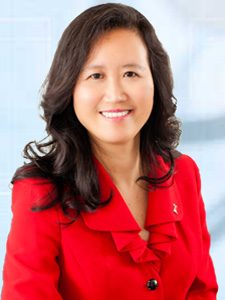
Dr. Cynthia Thaik practices on the opposite idea. She’s a board-certified cardiologist who mixes regular cardiology with functional and integrative medicine, and the starting question is why this particular person is at risk.
Step 1: It Starts With a Real Conversation
Before any test gets ordered, you talk. A lot of appointments skip this part because there isn’t time. In a prevention visit it matters more than almost anything else.
Your Story, Not Just Your Chart
What have you noticed lately? Getting winded on the stairs, a flutter in your chest at night, crashing at 3 p.m. every day? Small things count. One patient review on Dr. Thaik’s site mentions “looking for root causes,” and this is where that begins. Your own description often points somewhere your lab results can’t.
Family History and Daily Life
Who in your family had heart trouble, and how old were they? That one question changes a lot. Then comes the everyday stuff, like what you eat, how you sleep, how much you sit, and what’s stressing you out. Nobody’s grading you. Your cardiologist just needs the real picture to build anything useful.
Step 2: Testing Beyond the Basics
After the conversation, testing fills in the gaps. Some of it is routine and some goes deeper. What you need depends on what came up in step one.
The Numbers Everyone Gets
Blood pressure, a cholesterol panel, blood sugar, and usually a resting ECG. These are the baseline, and they’re useful. But a lot of people with normal baseline numbers still have hidden risk, which is why a prevention-focused doctor often looks a bit further. If one of these numbers is already off, her pages on high blood pressure and high cholesterol explain how she handles each.
Deeper Markers Worth Asking About
Depending on your situation, your doctor might check ApoB, which counts the particles that carry cholesterol, or lipoprotein(a), which is mostly inherited. Inflammation markers such as hs-CRP and early signs of insulin resistance can come up too. You probably won’t need all of them. A good doctor tells you why each test is being ordered and what they’d do differently based on the result.
Vascular, Autonomic and Genetic Screening
Dr. Thaik’s practice also lists the EndoPAT test (a test of how well your blood vessels respond), Max Pulse screening, autonomic function testing, and cardiovascular genomics. Whether any of these make sense for you is a conversation to have with her. Some people need none of them. If you’d like a broader check-up in one visit, there’s also an executive heart physical.
Step 3: Turning Results Into a Plan
This is the part everyone’s waiting for. Lifestyle gets treated as real treatment here, and medication stays on the table when it’s warranted.
Food
Nothing fancy, honestly. More vegetables, beans, fish, nuts, and whole grains, and less packaged food and added sugar. What helps is making it fit your life. A functional nutrition consultation can look at your labs and your habits together. If the plan means cooking five nights a week and you hate cooking, it won’t last, so the plan should account for that. For patients who also need help with weight, the practice has a medical weight loss and nutrition program.
Movement
Exercise helps blood pressure, weight, mood, and blood sugar, all at once, which is a pretty good deal. The best routine is whichever one you’ll actually do. A brisk walk after dinner works for some people, and lifting weights twice a week works for others. If you’ve had symptoms or you haven’t exercised in years, talk to your cardiologist before you start anything hard.
Sleep and Stress
Neither one shows up on a cholesterol test, and both affect blood pressure and heart rhythm. Bad sleep deserves attention, including a check for sleep apnea if you snore or wake up exhausted. Dr. Thaik’s post on the role of sleep in heart health goes deeper on this. Stress management can be as basic as a walk, breathing exercises, or setting limits on work. It gets overlooked more than it should.
Medication, When It’s Needed
Some people assume “holistic” means no prescriptions. It doesn’t. If your risk is high, a statin or a blood pressure medicine might be the right call, and good doctors say so plainly. Just don’t stop or change a medication on your own. Check with your doctor first.
Step 4: Follow-Up and Adjusting
A plan written down isn’t much use until it meets real life. That’s what follow-up is for.
At the next visit, your cardiologist rechecks the numbers that matter, asks what’s going well, and changes whatever isn’t working. Maybe your blood pressure came down but you’re still sleeping badly. Maybe the exercise goal was too ambitious and you quit after two weeks. Fine. Adjust it. Small changes you keep doing beat big overhauls that fall apart by February. Patients who want easier check-ins between visits can ask about remote patient monitoring.
Who Should Consider a Prevention-Focused Visit
You don’t have to be sick. It could be worth booking if heart disease runs in your family, if you have high blood pressure, high cholesterol, or type 2 diabetes or prediabetes, or if you’re over 40 and nobody’s looked closely at your heart. People with a lot of stress or unexplained tiredness sometimes go too. Dr. Thaik sees patients in North Hollywood and offers virtual visits across Greater Los Angeles.
Conclusion
Good prevention is personal. A holistic cardiologist listens first, tests for a reason, builds a plan around your food, movement, sleep, and stress, uses medication when it helps, and keeps adjusting as things change. It takes time, and it beats being told your numbers are fine and sent home.
If you’ve heard that before and something still feels off, ask more questions. You can book an appointment or call Dr. Thaik’s office at (818) 842-1410 to find out what a prevention visit would look like for you. This article is general information and isn’t personal medical advice.
Frequently Asked Questions
1. What does a holistic cardiologist do for prevention?
They combine standard cardiology with lifestyle, nutrition, and stress care to find and lower your personal risk.
2. Is a holistic cardiologist a real medical doctor?
Yes. They’re licensed physicians who add integrative methods to conventional care. Dr. Thaik is board-certified.
3. Do I need symptoms to see a cardiologist for prevention?
No. Many people go because of family history, risk factors, or a wish to catch problems early.
4. Will I have to take medication?
Not always. It depends on your risk. Some people manage with lifestyle changes alone, and others need medication too.
5. What tests might be part of a prevention plan?
Usually blood pressure, cholesterol, blood sugar, and an ECG. Some patients also get deeper blood markers or vascular testing.
6. How often will I need follow-ups?
It depends on your risk and how you’re doing. Your cardiologist will suggest a schedule.
7. Can a prevention consultation be done virtually?
Often, yes, for talking and planning. Some tests need an in-person visit, so ask the office.