We have moved to

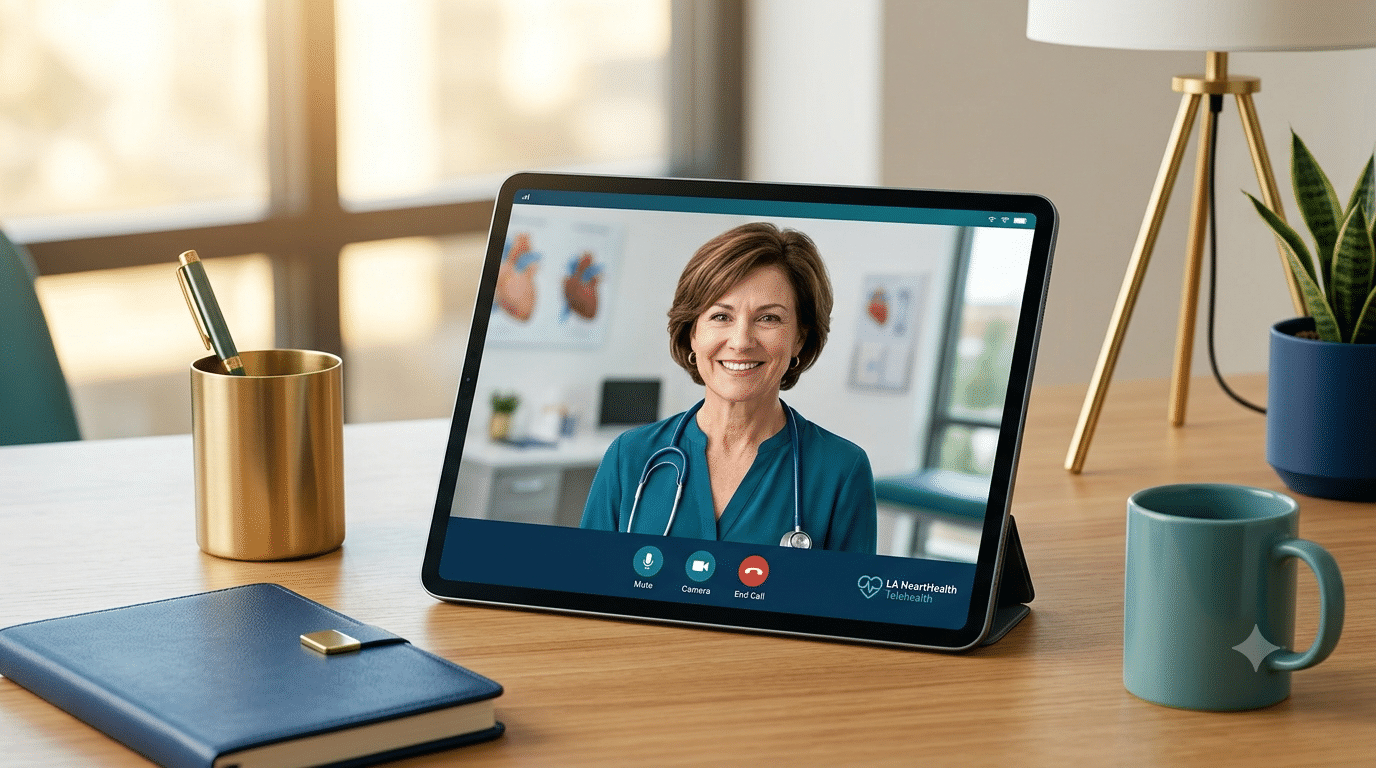

If you’ve been putting off a heart check-up because of LA traffic, a packed work week, or the thought of another waiting room, you’ve probably wondered if seeing a virtual cardiologist is a real option. And the next question is usually the practical one: what’s it going to cost?
Fair enough. Nobody likes opening a bill and getting a surprise. So here’s a straight look at what a telemedicine cardiology consultation costs in Los Angeles, what changes the price, and how to avoid any nasty surprises.
The short answer
If you have insurance, a virtual cardiology visit usually costs about the same as going to the office. That typically means your regular specialist copay, or whatever your deductible and coinsurance work out to. If you’re paying out of pocket, the price depends on the practice and the kind of visit.
At our office, cardiology consultations and follow-ups are billed to your insurance on file. Functional medicine consultations are concierge, self-pay visits. Not sure which one yours is? Call us at (818) 842-1410 and we’ll tell you before you book.
What changes the price?
There’s no single price tag, because a few things move the number.
Your insurance plan. This matters most. Plenty of PPO, HMO and Medicare plans cover telehealth cardiology, but copays, deductibles and referral rules vary a lot. The same visit might be a flat copay on one plan and go entirely toward your deductible on another.
The type of visit. A quick follow-up to go over lab results or adjust a medication isn’t the same as a long, in-depth consultation. Longer visits generally cost more, especially in self-pay settings.
New or existing patient. Many practices, including ours, mainly offer virtual visits as follow-ups for established patients. A first evaluation often needs an in-person exam and baseline testing.
Tests and monitoring. The video call is only one piece. If you need an ECG, an echocardiogram, or a remote heart monitor, those are billed separately.
Insurance or self-pay. Insurance-billed visits follow your plan’s rules. Self-pay and concierge visits are priced by the practice, and they usually come with more time and fewer restrictions.
What about Medicare?
For Medicare patients, the news is good for now. Congress extended the telehealth flexibilities through December 31, 2027, so you can generally still see a specialist by video from home, no matter where you live. These are temporary extensions, though, so it’s smart to confirm coverage when you book.
Is virtual really the same price as in-person?
On the insurance side, often yes. Where virtual care saves you money is everything around the visit:
- No gas, parking, or rideshare
- No half a day off work
- No arranging childcare or a ride for a family member
- Less time around other sick people, which matters if you have a heart condition
It won’t always look cheaper on paper. Once you count the time and travel you get back, it often is.
What a virtual visit looks like
You log into our secure, HIPAA-compliant platform at your appointment time. Follow-up visits usually run about 5 to 15 minutes. We go over how you’re feeling, your test results, your medications, and any readings you’ve taken at home. If you have home blood pressure numbers or data from a smartwatch, bring them. They really do help.
A video visit can’t do everything. There’s no physical exam, ECG, or ultrasound, and anything urgent needs in-person or emergency care. But for ongoing care with things like atrial fibrillation, palpitations, blood pressure, or cholesterol, it works well.
How to avoid surprise bills
A few simple steps make a big difference:
- Call your insurance company and ask if telehealth cardiology is covered, and what you’ll owe.
- Ask the office whether your visit is billed to insurance or self-pay.
- Ask if labs, monitors, or imaging are billed separately.
- Check whether your plan needs a referral, especially on HMOs.
- If you’re paying cash, get the price in writing.
So, is it worth it?
For a lot of people, yes. If you’re stable, need follow-up care, or just can’t get to an office easily, virtual care is convenient and it works. But if you ever have chest pain, fainting, or sudden shortness of breath, don’t wait for a video visit. Call 911.
Curious whether a virtual visit makes sense for you? Book an appointment or read more about our telemedicine cardiologist services in Los Angeles. You can also see how remote patient monitoring helps us keep an eye on your heart between visits.
Frequently Asked Questions
Is a virtual cardiologist visit cheaper than going to the office?
Not always. Many insurance plans charge the same copay either way. The savings usually come from skipping travel, parking, and time off work. If you’re paying cash, ask the practice, since fees vary.
Does insurance cover telemedicine cardiology consultations in California?
Most major plans do, and so does Medicare, but the details differ. Check your copay, deductible, and referral rules before your visit, and ask the office how the visit will be billed.
Can a virtual cardiologist diagnose heart problems?
They can review your symptoms, history, and test results and guide your treatment. But a diagnosis often needs hands-on testing like an ECG or echocardiogram. That’s why virtual visits work best for follow-ups and ongoing care.
How long does a telemedicine cardiology appointment take?
Follow-ups are usually about 5 to 15 minutes, though you may wait a bit in the virtual waiting room, just like at an office. Longer consultations take more time.
What should I have ready before a virtual heart doctor appointment?
A quiet spot, a steady internet connection, your medication list, recent lab results, and any home readings like blood pressure or heart rate. Jot down your questions ahead of time so you don’t forget them.