We have moved to
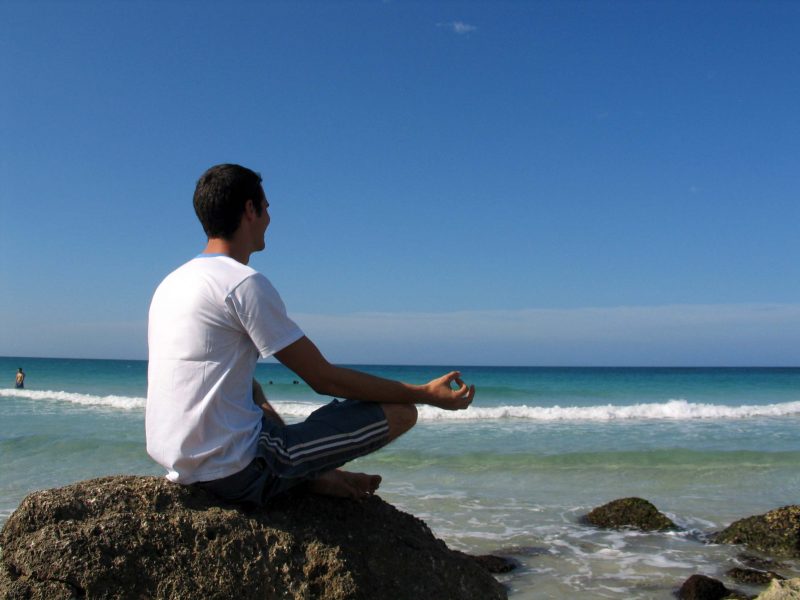

We all know how important it is to stay in good physical health, but maintaining good mental health is equally important. Each year, nearly 1 in 5 Americans experience symptoms of mental illness, including stress, depression, anxiety, and mood changes. These symptoms can affect daily life and may contribute to feelings of helplessness and despair.
Fortunately, incorporating holistic health practices into your daily routine may help support mental well-being. These practices focus on the connection between the body and mind and can complement other approaches to maintaining good health.
Holistic health practices often include mindful breathing, meditation, movement, healthy eating, and other activities that encourage relaxation and greater awareness of the body and mind.
What Are Holistic Health Practices?
Holistic health practices take a whole-person approach to wellness by considering physical, mental, and emotional well-being together. Rather than focusing on only one aspect of health, these practices encourage healthy lifestyle habits that support the body and mind.
Many holistic approaches use slow, controlled movements, mindful breathing, relaxation techniques, and healthy nutrition. When practiced consistently, these activities may help reduce stress and support a healthier approach to everyday life.
For more information about holistic approaches to heart and overall health, you can also read about holistic cardiology and heart health.
Examples of Holistic Health Practices
There are many ways to incorporate holistic wellness practices into your daily routine. Some of the approaches we recommend include:
Controlled Breathing
Controlled breathing involves paying close attention to your breathing patterns. When you are under stress, you may unconsciously hold your breath or develop shallow breathing patterns. Practicing slow, controlled breathing can encourage relaxation and may help you manage everyday stress.
Meditation
Meditation encourages you to focus your attention on the present moment and reduce distractions. It can be practiced in a quiet and comfortable environment by concentrating on your breath, body sensations, or a specific word or phrase.
Even a few minutes of meditation each day can become a valuable part of a holistic mental health routine. Different approaches include mindfulness meditation, guided meditation, transcendental meditation, and loving-kindness meditation.
Mindfulness
It involves paying attention to your thoughts, feelings, surroundings, and physical sensations in the present moment. Mindfulness can be developed through meditation and other daily activities.
Practicing mindfulness may help you become more aware of stress and emotional patterns while supporting relaxation and emotional well-being.
Neuromuscular Integrative Action (NIA)
Neuromuscular Integrative Action (NIA) combines different types of movement, including elements of tai chi, meditation, dance, and low-impact aerobic exercise.
This type of movement can be adapted to different fitness levels and may help support physical activity, relaxation, flexibility, and overall well-being.
Healthy Eating
Healthy eating plays an important role in both physical and mental well-being. A balanced diet can provide the nutrients your body and brain need to function properly.
A healthy eating pattern can include fresh fruits and vegetables, whole grains, lean sources of protein, and healthy fats. Nutrients such as B vitamins, iron, omega-3 fatty acids, and zinc are important for overall health.
Making nutritious food choices is one of the simplest holistic health practices you can incorporate into your daily lifestyle.
Qigong
Qigong combines physical postures, controlled breathing, and focused attention. These practices can promote movement, balance, flexibility, and relaxation.
Regular Qigong practice may also provide an enjoyable way to incorporate mindful movement into a broader holistic wellness routine.
Tai Chi
Tai Chi is a gentle form of exercise involving slow movements, stretching, controlled breathing, and focused attention.
Because it is generally low impact, Tai Chi can be adapted to different fitness levels. It may support balance, flexibility, physical activity, and relaxation.
Yoga
Yoga combines physical movement with breathing and mindfulness. Depending on the style, yoga can help improve flexibility, balance, strength, body awareness, and relaxation.
There are many types of yoga, including Hatha, Iyengar, Vinyasa, Ashtanga, and other styles. Choose an approach that is appropriate for your fitness level and personal preferences.
How Holistic Health Practices Can Support Mental Health
Adding holistic health practices to your lifestyle can give you practical ways to manage everyday stress and support your overall well-being. Breathing exercises, meditation, mindfulness, physical activity, nutritious eating, yoga, and other approaches can be incorporated into a personalized wellness routine.
However, holistic practices should complement—not replace—professional care when someone is experiencing significant or persistent mental health symptoms.
For additional information about maintaining health through preventive and lifestyle-focused approaches, read heart disease prevention for men and women over 40.
A holistic approach to health also includes maintaining good oral health, which can contribute to everyday comfort and overall quality of life. For people who have lost one or more teeth, restoring oral function may be an important part of maintaining a healthy lifestyle. Depending on individual needs, dental implants can provide a long-term option for replacing missing teeth and restoring natural-looking function. Anyone considering implant treatment should consult a qualified dental implant professional for an evaluation.
Building a Holistic Health Routine
You don’t need to adopt every practice at once. Start with one or two activities that fit naturally into your lifestyle. For example, you could begin your day with five minutes of controlled breathing, take a short walk, practice mindfulness, or make healthier food choices.
Consistency is more important than trying to make dramatic changes overnight. Over time, these holistic health practices can become part of a sustainable approach to physical and mental wellness.
For more information about holistic health practices and specific exercises, check out Dr. Cynthia’s book, “Your Vibrant Heart: Restoring Health, Strength, and Spirit from the Body’s Core.”