We have moved to
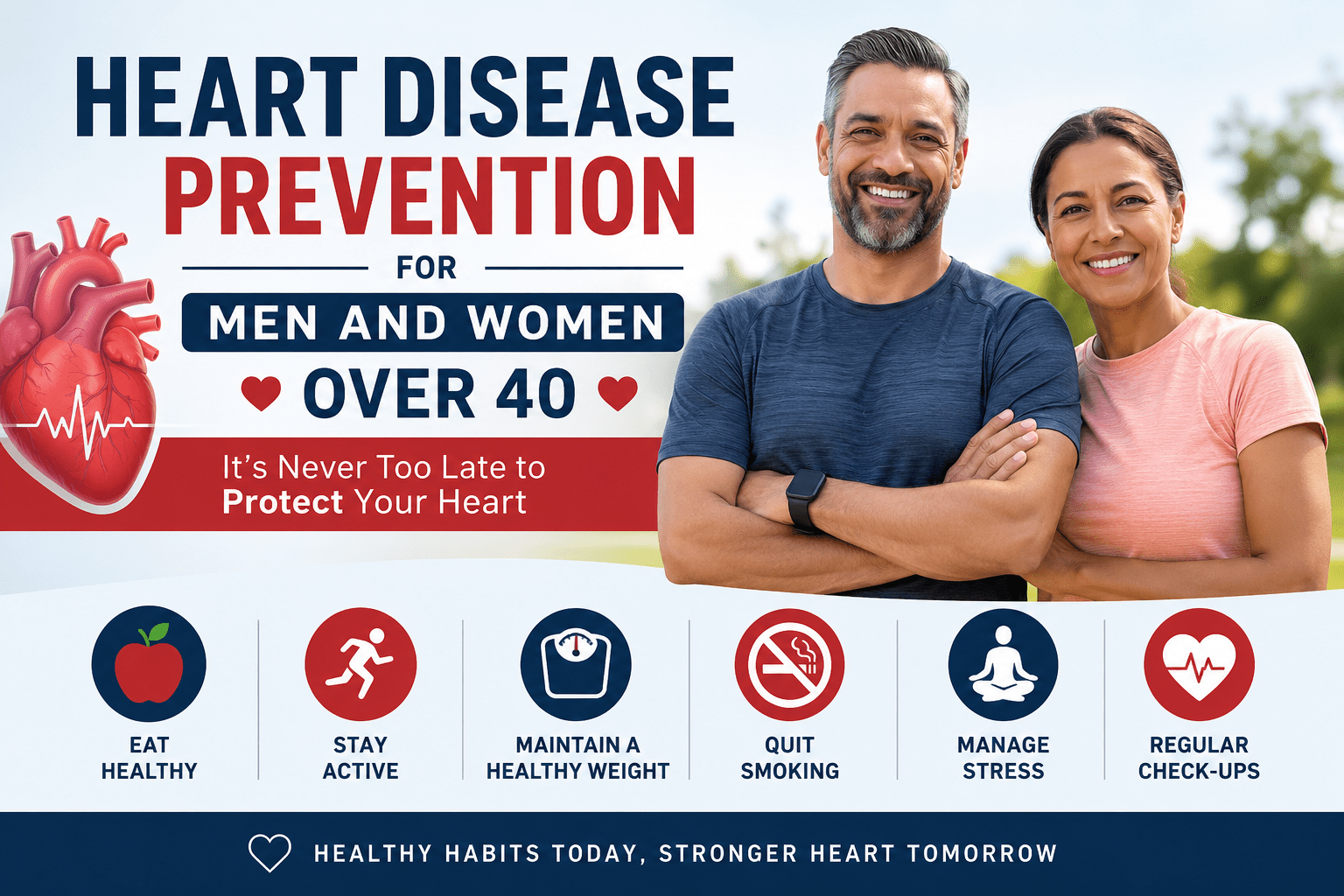

Heart disease remains one of the most important health concerns for adults over 40. As you get older, certain risk factors including high blood pressure, high cholesterol, diabetes, excess weight, physical inactivity, smoking, and family history can increase your risk of cardiovascular disease.
The good news is that many heart disease risk factors can be identified early and managed through regular health screenings, healthy lifestyle choices, and appropriate medical care.
Whether you are a man or woman over 40, taking proactive steps to protect your heart can help support long-term cardiovascular health.
Also Read – What Are the Best Over-the-Counter Medications for Chest Pain Relief?
Why Heart Disease Prevention Becomes More Important After 40
Heart disease risk generally increases with age. Over time, changes in blood vessels, blood pressure, cholesterol levels, metabolism, and other health factors can contribute to cardiovascular problems.
For some people, risk may also increase because of lifestyle changes such as reduced physical activity, weight gain, chronic stress, poor sleep, or an unhealthy diet.
Women may experience additional changes around and after menopause. Declining estrogen levels during menopause are associated with changes in cardiovascular risk factors, including cholesterol and blood pressure.
Men can also develop cardiovascular risk factors earlier in life, making regular monitoring particularly important.
Being over 40 does not mean that heart disease is inevitable. Instead, it is an important time to understand your personal risk and take preventive action.
Key Heart Disease Risk Factors After 40
Understanding your risk factors is one of the first steps toward preventing heart disease.
High Blood Pressure
High blood pressure can place ongoing stress on the arteries and heart. Because it often does not cause noticeable symptoms, regular blood pressure checks are important.
If you have consistently elevated blood pressure, your healthcare professional can recommend lifestyle changes and, when appropriate, medication.
High Cholesterol
Cholesterol is essential for several functions in the body, but elevated levels of LDL cholesterol can contribute to plaque buildup in the arteries.
A lipid panel can help evaluate cholesterol levels and provide information that can be used to assess cardiovascular risk.
Diabetes and High Blood Sugar
Diabetes can increase the risk of heart disease and other cardiovascular complications. Adults with diabetes or elevated blood sugar should work with their healthcare provider to manage blood glucose and other cardiovascular risk factors.
Smoking
Smoking damages blood vessels and significantly increases cardiovascular risk. Quitting smoking is one of the most important steps a smoker can take to protect heart health.
Excess Weight and Obesity
Carrying excess body weight can increase the likelihood of developing high blood pressure, abnormal cholesterol, diabetes, and other conditions associated with cardiovascular disease.
Even modest improvements in weight, physical activity, and dietary habits can contribute to better overall cardiovascular health.
Physical Inactivity
A sedentary lifestyle can contribute to several heart disease risk factors. Regular physical activity supports cardiovascular fitness and can help with weight, blood pressure, cholesterol, and blood sugar management.
Family History
A family history of heart disease can increase your cardiovascular risk. Tell your healthcare provider if close family members have experienced heart disease, heart attacks, or other cardiovascular conditions, particularly at younger ages.
Chronic Stress and Poor Sleep
Long-term stress and inadequate sleep can affect blood pressure, eating habits, physical activity, and other factors associated with cardiovascular health.
Managing stress and establishing consistent sleep habits should be part of a comprehensive heart-health strategy.
Also Read – Coping With Flare-Ups: Managing POTS Symptoms on Tough Days
Heart Disease Prevention Tips for Men and Women Over 40
1. Know Your Numbers
Regular health checks can help identify cardiovascular risk factors before they cause symptoms.
Depending on your individual health history, your healthcare provider may monitor:
- Blood pressure
- Total cholesterol
- LDL cholesterol
- HDL cholesterol
- Triglycerides
- Blood glucose or A1C
- Body weight and body mass index
- Waist circumference when appropriate
The frequency of testing depends on your age, medical history, existing conditions, medications, and overall risk.
2. Eat a Heart-Healthy Diet
A heart-healthy eating pattern should emphasize nutrient-dense foods rather than highly processed foods.
Consider including:
- Vegetables and fruits
- Whole grains
- Beans and lentils
- Nuts and seeds
- Fish and other lean protein sources
- Healthy unsaturated fats
- Low-fat or fat-free dairy products when appropriate
Try to limit foods high in saturated fat, trans fat, added sugars, and excessive sodium.
You do not need to completely change your diet overnight. Small, sustainable improvements can make healthy eating easier to maintain.
3. Stay Physically Active
Regular physical activity is an important part of cardiovascular disease prevention.
For many adults, a goal of at least 150 minutes of moderate-intensity aerobic activity per week or 75 minutes of vigorous-intensity activity per week, along with muscle-strengthening activities, is recommended.
Examples of moderate activities include:
- Brisk walking
- Cycling
- Swimming
- Dancing
- Recreational activities that increase your heart rate
If you have been inactive or have a medical condition, speak with your healthcare provider about an appropriate exercise plan before significantly increasing your activity level.
4. Maintain a Healthy Weight
Maintaining a healthy weight can help reduce several cardiovascular risk factors.
Rather than relying on restrictive diets or rapid weight-loss programs, focus on sustainable habits such as eating balanced meals, controlling portions, staying active, getting adequate sleep, and limiting highly processed foods.
Your healthcare provider can help determine a healthy and realistic weight-management approach based on your individual needs.
5. Do Not Smoke
If you smoke, quitting can substantially benefit your cardiovascular health.
Avoiding tobacco products and exposure to secondhand smoke is an important component of heart disease prevention.
If you need help quitting, talk with a healthcare professional about evidence-based cessation strategies.
6. Limit Alcohol
If you drink alcohol, discuss your consumption with your healthcare provider. Alcohol can affect blood pressure, heart rhythm, triglycerides, weight, and other aspects of health.
Do not start drinking alcohol for the purpose of improving heart health.
7. Prioritize Quality Sleep
Most adults need approximately 7–9 hours of sleep each night.
Establishing a consistent sleep schedule, maintaining a comfortable sleep environment, and addressing persistent sleep problems can support overall health.
If you regularly snore loudly, stop breathing during sleep, or experience significant daytime sleepiness, discuss these symptoms with a healthcare professional because they may indicate sleep apnea.
8. Manage Stress
Chronic stress can make it more difficult to maintain healthy habits and may contribute to cardiovascular risk factors.
Healthy stress-management strategies can include:
- Regular physical activity
- Breathing exercises
- Meditation or mindfulness
- Spending time with friends and family
- Hobbies and recreational activities
- Adequate sleep
- Speaking with a qualified mental health professional when appropriate
9. Manage Existing Health Conditions
If you have high blood pressure, high cholesterol, diabetes, kidney disease, or another condition that affects cardiovascular risk, follow your healthcare professional’s treatment recommendations.
Take prescribed medications as directed and attend recommended follow-up appointments.
Do not stop or change prescription medications without discussing it with your healthcare provider.
Heart Health for Women Over 40
Women can experience changes in cardiovascular risk as they age, particularly during and after menopause.
Certain pregnancy-related conditions, such as gestational diabetes or high blood pressure during pregnancy, may also be relevant when assessing a woman’s long-term cardiovascular risk.
Women should discuss their complete health history with their healthcare provider, including:
- Menstrual and menopause history
- Pregnancy complications
- Blood pressure
- Cholesterol
- Blood sugar
- Smoking history
- Family history
- Physical activity
- Weight changes
It is important not to assume that heart disease is primarily a men’s health issue. Cardiovascular disease is also a major health concern for women.
Heart Attack Symptoms in Women
Heart attack symptoms can vary from person to person. Women may experience traditional symptoms such as chest pressure or discomfort, but they can also experience symptoms including:
- Shortness of breath
- Unusual or extreme fatigue
- Nausea or vomiting
- Sweating
- Dizziness or lightheadedness
- Pain or discomfort in the back, neck, jaw, shoulders, or arms
Symptoms can overlap with other medical conditions, so they should not be ignored.
If you suspect a heart attack or another medical emergency, seek emergency medical care immediately.
Heart Health for Men Over 40
Men should also pay close attention to cardiovascular risk factors as they enter their 40s and beyond.
Regular monitoring of blood pressure, cholesterol, blood sugar, weight, and other risk factors can help identify potential concerns early.
Men should also discuss their family history with their healthcare provider. A history of premature cardiovascular disease in close relatives may influence an individual’s overall risk assessment.
Lifestyle factors such as smoking, physical inactivity, excess alcohol consumption, poor diet, chronic stress, and inadequate sleep can also contribute to cardiovascular risk.
Recommended Heart Health Screenings After 40
After age 40, regular heart health screenings can help identify cardiovascular risk factors early, even when you feel healthy. There is no single screening schedule that works for everyone. The frequency and type of screening may vary depending on your age, medical history, family history, lifestyle, and existing risk factors.
Blood pressure: Regular blood pressure checks can help detect hypertension, which may increase the risk of heart attack, stroke, and other cardiovascular complications when left untreated.
Cholesterol: Cholesterol testing helps assess levels of LDL (“bad”) cholesterol, HDL (“good”) cholesterol, and triglycerides. Your healthcare provider can use these results along with other risk factors to evaluate your overall cardiovascular risk.
Blood glucose and A1C: Blood glucose testing or an A1C test can help identify prediabetes or diabetes. Elevated blood sugar over time can contribute to blood vessel damage and increase cardiovascular risk.
Weight and waist measurements: Maintaining a healthy weight is an important part of heart disease prevention. Your healthcare provider may monitor your weight, body mass index (BMI), or waist circumference to assess obesity-related cardiovascular risk.
Smoking status: If you smoke or use tobacco products, discussing your tobacco use with your healthcare provider is an important part of heart health screening. Stopping tobacco use can significantly reduce cardiovascular risk.
Family history: Tell your healthcare provider about close relatives who have had heart disease, heart attacks, strokes, or other cardiovascular conditions, particularly at younger ages. Family history can help determine whether you may need earlier or more frequent evaluation.
Lifestyle assessment: Your healthcare provider may also ask about your diet, physical activity, sleep, alcohol consumption, stress, and other lifestyle factors. These discussions can identify opportunities to reduce cardiovascular risk and support long-term heart health.
Depending on your symptoms, risk factors, and medical history, your healthcare provider may recommend additional tests or evaluations. Regular preventive visits allow your care team to track changes over time and develop a screening plan appropriate for your individual heart health needs.
Preventive healthcare also includes paying attention to oral health, which is an important part of overall well-being. For adults who have lost one or more teeth, restoring normal oral function can make everyday activities such as eating and speaking more comfortable. Depending on their individual needs and oral health, patients may consider dental implants as a long-term tooth replacement option. A qualified dental implant professional can evaluate whether implant treatment is appropriate based on each patient’s needs and circumstances.
Can Heart Disease Be Prevented After 40?
Heart disease cannot always be completely prevented, particularly when factors such as age or genetics are involved. However, many important cardiovascular risk factors are modifiable.
Managing blood pressure and cholesterol, avoiding tobacco, staying physically active, eating a balanced diet, maintaining a healthy weight, managing diabetes, getting sufficient sleep, and attending appropriate health screenings can all contribute to better cardiovascular health.
The most effective prevention strategy is personalized to your individual risk profile.
When Should You Talk to a Doctor About Your Heart Health?
Adults over 40 should consider discussing cardiovascular risk with a healthcare professional, particularly if they have:
- High blood pressure
- High cholesterol
- Diabetes or elevated blood sugar
- A family history of heart disease
- A history of smoking
- Obesity or significant weight gain
- A sedentary lifestyle
- Kidney disease
- Previous cardiovascular problems
- Symptoms such as chest discomfort, shortness of breath, dizziness, or unexplained fatigue
Regular preventive visits can help you understand your risk and determine which screenings and lifestyle changes may be appropriate.
Don’t Wait for Symptoms to Start Protecting Your Heart
One of the challenges of cardiovascular disease is that some risk factors and conditions may develop without obvious symptoms. Waiting until you experience a serious symptom is not an ideal approach to heart health.
If you are over 40, use this stage of life as an opportunity to understand your cardiovascular risk, establish healthy habits, and work with your healthcare provider on a personalized prevention plan.
Your heart health is a long-term investment. The choices you make today can help support cardiovascular health for years to come.
Medical Disclaimer
This article is intended for general educational purposes and should not be considered a substitute for professional medical advice, diagnosis, or treatment. Cardiovascular risk varies from person to person. Speak with a qualified healthcare professional for recommendations based on your individual health history and risk factors. If you experience symptoms that could indicate a heart attack or other medical emergency, seek emergency medical care immediately.
FAQs
What is the best way to prevent heart disease after 40?
Managing blood pressure, cholesterol, blood sugar, weight, physical activity, diet, smoking, sleep, and other cardiovascular risk factors can help reduce heart disease risk. A healthcare professional can help create an individualized prevention plan.
How often should I have my heart checked after 40?
There is no universal schedule for every adult. The appropriate frequency of blood pressure, cholesterol, blood sugar, and other cardiovascular assessments depends on your age, health history, existing conditions, and risk factors.
Are women over 40 at risk for heart disease?
Yes. Heart disease can affect women as well as men. Cardiovascular risk can change with age and may be influenced by menopause, pregnancy-related health conditions, blood pressure, cholesterol, diabetes, smoking, and other factors.
Are men over 40 more likely to develop heart disease?
Men can develop cardiovascular disease at younger ages, but individual risk varies considerably. Blood pressure, cholesterol, diabetes, smoking, family history, physical activity, weight, and other factors are important when assessing cardiovascular risk.
Can lifestyle changes really reduce heart disease risk?
Yes. Healthy lifestyle habits can help improve several modifiable cardiovascular risk factors, including blood pressure, cholesterol, blood sugar, physical fitness, and weight.
What heart symptoms should I never ignore?
Chest discomfort or pressure, shortness of breath, unusual sweating, dizziness, fainting, or pain that spreads to the arm, back, neck, jaw, or shoulder can be signs of a serious cardiovascular problem. If you suspect a heart attack or another emergency, seek emergency medical care immediately.