We have moved to
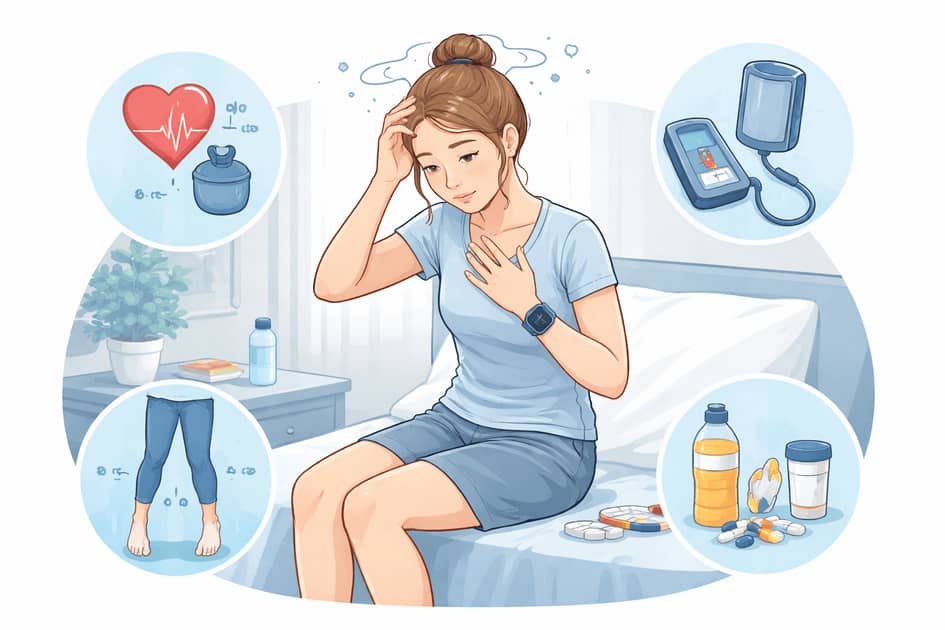

Living with unexplained dizziness, fatigue, or a racing heart can be frustrating and even frightening. POTS syndrome management is essential for controlling these symptoms and improving daily life. One possible cause is Postural Orthostatic Tachycardia Syndrome (POTS)—a condition that affects how your body regulates blood flow and heart rate.
This guide will help you understand POTS syndrome, its symptoms, causes, and most importantly, how to manage it effectively for a better quality of life.
What Is POTS Syndrome?
POTS (Postural Orthostatic Tachycardia Syndrome) is a disorder of the autonomic nervous system—the part of your body that controls automatic functions like heart rate, blood pressure, and digestion.
In people with POTS, the body struggles to adjust when moving from sitting or lying down to standing. This leads to a rapid increase in heart rate, often accompanied by dizziness or lightheadedness.
Common Symptoms of POTS Syndrome
Symptoms can vary from person to person, but the most common include:
- Dizziness or lightheadedness when standing
- Rapid heartbeat (tachycardia)
- Fatigue or weakness
- Brain fog (difficulty concentrating)
- Fainting or near-fainting
- Chest discomfort or palpitations
- Nausea or digestive issues
Symptoms may worsen with heat, dehydration, or standing for long periods.
What Causes POTS Syndrome?
The exact cause of POTS is not always clear, but several factors may contribute:
1. Autonomic Nervous System Dysfunction
The autonomic nervous system does not properly regulate blood flow and heart rate.
2. Blood Pooling in the Lower Body
When standing, blood tends to pool in the legs rather than circulate properly to the brain.
3. Low Blood Volume
Some individuals with POTS have reduced blood volume, making it harder for the body to maintain stable circulation.
4. Triggering Events
POTS may develop after:
- Viral infections
- Surgery
- Pregnancy
- Physical trauma
Who Is at Risk?
POTS is more commonly seen in:
- Women (especially ages 15–50)
- Teenagers and young adults
- People with autoimmune conditions
- Individuals recovering from illness
Read our latest blog: https://drcynthia.com/blog/why-does-pots-syndrome-cause-dizziness-and-a-fast-heart-rate/
How Is POTS Diagnosed?
Diagnosing POTS involves evaluating symptoms and measuring heart rate changes.
Common Tests Include:
- Tilt Table Test: Monitors heart rate and blood pressure when changing positions
- Heart rate monitoring
- Blood tests to rule out other conditions
A diagnosis is often made when the heart rate increases by 30 beats per minute or more within 10 minutes of standing without a significant drop in blood pressure.
Effective Management Strategies for POTS
While there is no single cure, POTS can be managed successfully with the right approach.
1. Stay Hydrated
Drink plenty of fluids throughout the day. Proper hydration helps increase blood volume and reduces dizziness.
2. Increase Salt Intake
Salt helps the body retain fluids, improving circulation. Always follow your doctor’s advice before increasing salt intake.
3. Gradual Position Changes
Avoid sudden movements. Move slowly from lying to sitting, then to standing.
4. Wear Compression Stockings
Compression garments help prevent blood from pooling in the legs.
5. Exercise Regularly
Start with low-impact exercises like:
- Walking
- Swimming
- Cycling
Regular activity improves circulation and strengthens the cardiovascular system.
6. Manage Stress
Stress can worsen symptoms. Practice relaxation techniques such as:
- Deep breathing
- Meditation
- Yoga
7. Medications (If Needed)
Doctors may prescribe medications to:
- Control heart rate
- Improve blood flow
- Manage symptoms
Always take medications under medical supervision.
Daily Tips for Better Living with POTS
Managing POTS requires consistent lifestyle habits. Here are some practical tips:
- Eat smaller, more frequent meals
- Avoid prolonged standing
- Stay cool in hot weather
- Elevate your legs when resting
- Track symptoms to identify triggers
Can POTS Be Cured?
There is currently no universal cure for POTS, but many people experience significant improvement over time.
With proper management, symptoms can be reduced, allowing individuals to lead a normal and active life.
When Should You See a Doctor?
You should seek medical advice if you experience:
- Frequent dizziness or fainting
- Rapid heart rate when standing
- Ongoing fatigue affecting daily life
- Symptoms that are worsening
Early diagnosis can help prevent complications and improve symptom control.
Book an appointment with Dr Cynthia Thaik
POTS and Mental Health
POTS symptoms can sometimes be mistaken for anxiety because of the rapid heart rate and dizziness. However, POTS is a physical condition, not just a psychological one.
That said, living with chronic symptoms can impact mental health, so emotional support and counselling may be helpful.
Final Thoughts
Postural Orthostatic Tachycardia Syndrome (POTS) can be challenging, but understanding the condition is the first step toward better management.
By focusing on hydration, lifestyle adjustments, and medical guidance, you can reduce symptoms and improve your quality of life.
If you suspect you may have POTS, don’t ignore your symptoms—consult a healthcare professional for proper evaluation and care.
For more information, read our blog: https://drcynthia.com/blog/why-pots-symptoms-flare-up-and-how-to-manage-them-effectively/
FAQs
- Is POTS syndrome life-threatening?
No, it is usually not life-threatening but can affect daily activities. - Can POTS go away on its own?
Some people, especially younger individuals, may improve over time. - Why does my heart race when I stand up?
This is a key symptom of POTS due to improper blood flow regulation. - Can dehydration worsen POTS?
Yes, dehydration can worsen symptoms such as dizziness and fatigue. - What is the best way to manage POTS?
A combination of hydration, lifestyle changes, and medical support works best.
Click on this link for more information and get in touch with the doctor: https://g.co/kgs/yAfjNB9