We have moved to

Atrial fibrillation (AFib) is a common heart rhythm condition that causes an irregular, sometimes rapid heartbeat. While medical treatment is often essential for managing AFib and reducing complications, lifestyle habits can also play an important role in overall heart health.
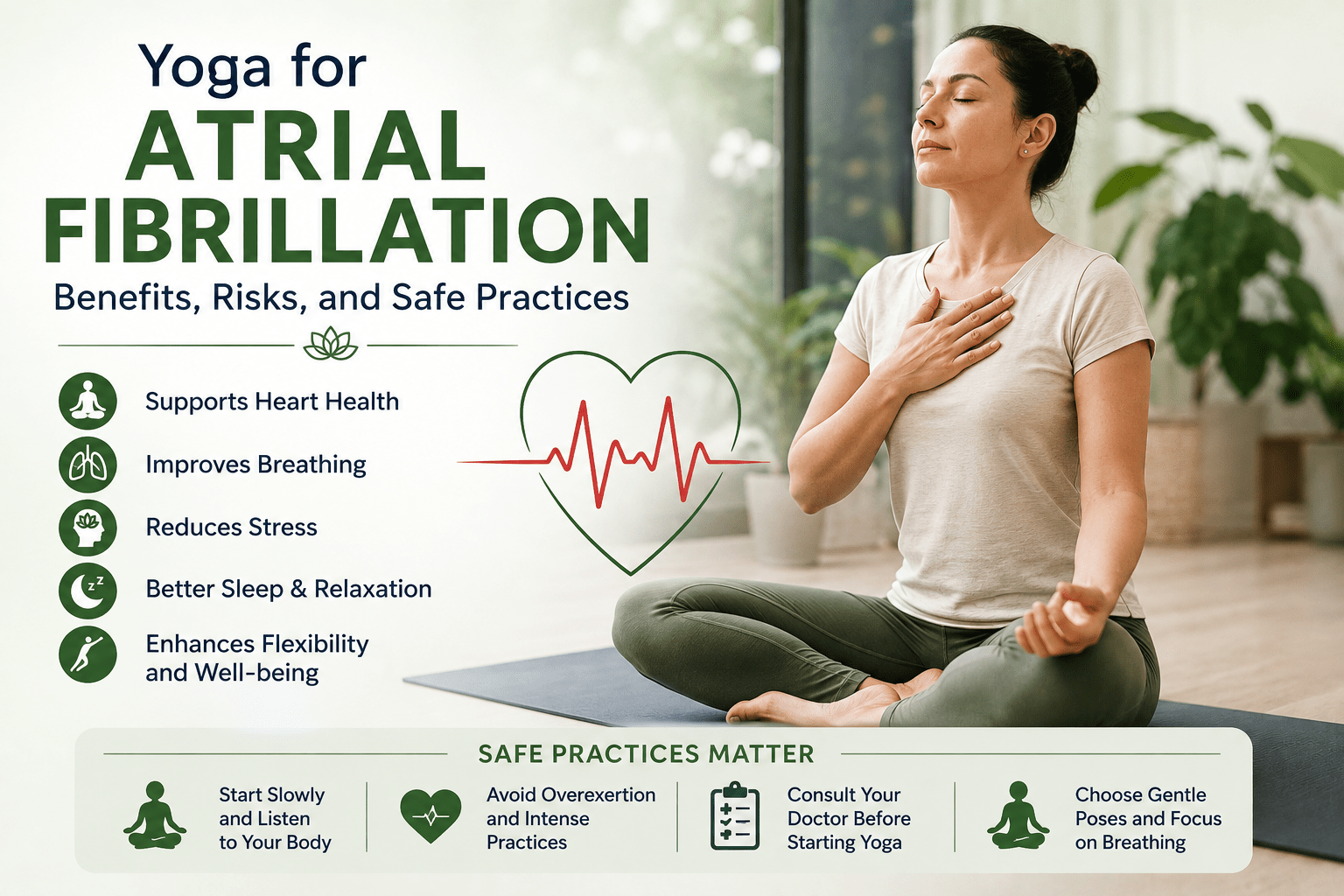
Yoga for atrial fibrillation has gained attention because certain gentle yoga practices may help with stress management, breathing, relaxation, physical activity, and overall cardiovascular wellness. However, yoga is not a replacement for prescribed AFib treatment, and some practices may not be appropriate for people with certain heart conditions.
If you have AFib, it is important to understand both the potential benefits and the precautions before starting a yoga routine.
Can Yoga Help With Atrial Fibrillation?
Yoga combines physical movement, controlled breathing, relaxation, and mindfulness. These elements may be helpful for people living with AFib, particularly when stress and poor sleep contribute to symptoms.
Stress activates the body’s sympathetic nervous system, which can increase heart rate and affect cardiovascular function. Relaxation-focused yoga may help promote a calmer state and support better stress management.
Some research has suggested that yoga may help improve cardiovascular risk factors such as blood pressure, stress, and quality of life. However, evidence specifically showing that yoga can prevent or treat AFib episodes remains limited.
For this reason, yoga should be viewed as a complementary wellness practice, rather than a primary treatment for atrial fibrillation.
Potential Benefits of Yoga for AFib
1. Stress Reduction
Stress and emotional strain may contribute to palpitations or make existing symptoms feel more noticeable. Gentle yoga and meditation can encourage relaxation and may help people develop healthier ways to manage daily stress.
2. Better Breathing and Relaxation
Controlled breathing exercises may help promote relaxation and body awareness. Slow, comfortable breathing can be incorporated into a gentle yoga practice.
People with AFib should avoid forceful or prolonged breath-holding techniques unless specifically cleared by their healthcare provider.
3. Support for Blood Pressure Management
High blood pressure is an important risk factor for AFib and other cardiovascular conditions. Regular physical activity, a heart-healthy diet, stress management, and appropriate medical treatment can all contribute to better blood pressure control.
Gentle yoga may be one component of a broader healthy lifestyle.
4. Improved Flexibility and Mobility
Yoga can improve flexibility, balance, strength, and mobility when practiced appropriately. These benefits can be particularly useful for people who want to remain physically active but prefer low-impact exercise.
5. Improved Sleep
Sleep problems can affect cardiovascular health and may make it more difficult to manage stress. A relaxing evening yoga routine may help some people wind down before bed.
If you experience loud snoring, interrupted breathing during sleep, or significant daytime sleepiness, talk with your healthcare provider about possible sleep apnea, which is associated with AFib.
What Types of Yoga Are Safer for People With AFib?
Not every yoga class is equally appropriate for someone with a heart rhythm disorder.
Gentle forms of yoga may be more suitable, including:
- Restorative yoga
- Gentle Hatha yoga
- Chair yoga
- Beginner yoga
- Slow stretching and mobility exercises
- Mindfulness and relaxation practices
The goal should be comfortable, controlled movement rather than pushing physical limits.
Yoga Practices to Approach With Caution
People with AFib should be cautious with highly strenuous yoga sessions, especially if they are not accustomed to vigorous exercise.
Practices involving intense exertion, extreme heat, prolonged breath-holding, or rapid transitions may increase cardiovascular demand.
Hot yoga may also present additional challenges because heat and dehydration can affect heart rate and blood pressure.
Before beginning a new or more demanding yoga program, discuss your exercise plans with your cardiologist—particularly if you have recently been diagnosed with AFib, have other heart conditions, or experience symptoms during physical activity.
Safe Yoga Practices for Atrial Fibrillation
Safety should come first when incorporating yoga into your heart-health routine.
Start Slowly
Begin with short, gentle sessions rather than immediately attempting an advanced class. You can gradually increase activity based on how your body responds.
Pay Attention to Your Symptoms
Stop exercising if you experience concerning symptoms such as:
- Chest pain or pressure
- Significant shortness of breath
- Dizziness or fainting
- Severe weakness
- A sustained or unusually rapid heartbeat
- New or worsening palpitations
Seek medical attention for serious or persistent symptoms.
Stay Hydrated
Adequate hydration is important, particularly during physical activity. Dehydration can affect blood pressure and heart rate.
Avoid Overexertion
Yoga should not leave you feeling severely exhausted. Focus on controlled movements, comfortable breathing, and proper technique.
Tell Your Instructor About Your Condition
If you attend a yoga class, consider informing the instructor that you have AFib. A qualified instructor may be able to provide modifications and help you avoid movements or sequences that are inappropriate for your fitness level.
Can Yoga Replace AFib Medication?
No. Yoga should not be used as a substitute for prescribed atrial fibrillation treatment.
Depending on your individual condition, AFib management may involve medications, lifestyle changes, rhythm-control strategies, procedures, or other approaches. Some people also require blood-thinning medication to reduce their risk of stroke.
Never stop, reduce, or change a prescribed medication because your symptoms improve after starting yoga.
Yoga and AFib: A Personalized Approach
AFib can look different from one person to another. Some people experience frequent episodes, while others have occasional symptoms. Your age, heart health, blood pressure, medications, sleep, lifestyle, and other medical factors can all influence your treatment plan.
A personalized approach to cardiovascular care can help determine which forms of physical activity are appropriate for you.
For people interested in a more holistic approach, yoga can be combined with other heart-healthy habits, such as nutritious eating, regular appropriate exercise, adequate sleep, stress management, and routine cardiovascular monitoring.
Frequently Asked Questions
Is yoga safe if I have atrial fibrillation?
Gentle yoga may be appropriate for many people with AFib, but safety depends on your individual health and the type and intensity of yoga. Talk with your healthcare provider before starting a new exercise program.
Can yoga stop an AFib episode?
There is not enough evidence to consider yoga a treatment for stopping an AFib episode. If you experience a new, prolonged, or concerning episode, follow the action plan provided by your healthcare professional.
What is the best yoga for atrial fibrillation?
Gentle, restorative, chair, or beginner yoga may be easier to tolerate than highly strenuous practices. Your healthcare provider can help determine what is appropriate for your cardiovascular health.
Should I avoid hot yoga with AFib?
Hot yoga may be unsuitable for some people with AFib because heat, sweating, and dehydration can affect heart rate and blood pressure. Discuss hot yoga with your healthcare provider before participating.
Can breathing exercises help with AFib?
Slow, comfortable breathing and relaxation exercises may help with stress management. However, they should not be considered a replacement for medical AFib treatment.
Final Thoughts
Yoga for atrial fibrillation may offer benefits for stress management, flexibility, relaxation, sleep, and overall wellness when practiced safely. The key is choosing an appropriate intensity and recognizing that yoga is a complementary part of heart care—not a replacement for medical treatment.
If you have AFib, speak with your cardiologist before beginning a new exercise routine. With the right guidance, gentle movement and relaxation practices may become part of a comprehensive approach to managing cardiovascular health.