 We have moved to
Ideal Protein Weight Loss Program in Burbank
If you are interested in losing weight for your general health, the Ideal Protein Weight Loss Program in Burbank is one avenue worth considering. This ketogenic diet plan supports weight loss by reducing calorie intake while emphasizing adequate protein intake. The goal of the Ideal Protein diet is to trigger a metabolic state known as ketosis, which encourages the body to burn stored fat instead of relying on excess sugars common in the Western diet. Unlike many traditional keto approaches, the Ideal Protein weight loss program also restricts high-fat foods, making it easier to enter and maintain ketosis, safely and consistently.
Dr. Tran Tien Chanh pioneered this diet over 20 years ago, and it has gained strong support from a range of health professionals, including pharmacists, osteopaths, and cardiologists.It is also available through the Holistic Healing Heart Center in Burbank, under the supervision of holistic weight loss doctor, Cynthia Thaik, M.D. Given that 2023 presents new and compelling reasons to prioritize better health, there has never been a better time to pursue weight loss with a guided diet program.
Ideal Protein Program Burbank and Medically Supervised Weight Loss
Medically supervised holistic weight loss programs support individuals who are overweight or obese through direct medical guidance. During the initial consultation, licensed healthcare providers evaluate co-morbidities, identify weight-gain factors, and review medical and weight history. This evaluation determines whether the program fits the patient’s needs and how providers should personalize it. Program costs vary based on the level of care and services each patient chooses.
Ideal Protein Program Burbank Cost
Phase 1 costs approximately $150 per week and includes meals, supplements, and coaching, as the plan relies on specific Ideal Protein foods. In Phase 2, the Stabilization phase, participants gain more flexibility with food choices at an average cost of $100 per week, and this phase usually lasts four to six weeks depending on total weight loss. Phase 3, Maintenance, focuses on long-term success, with continued guidance from your coach and clinic through periodic check-ins to help maintain a healthier weight.
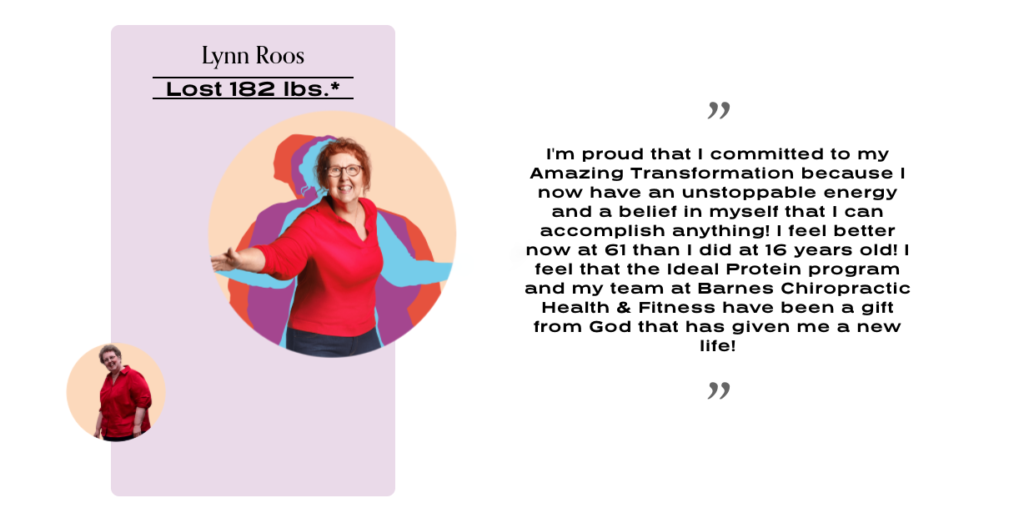
Ideal Protein Program Burbank Diet Review
Ideal Protein’s regimen supports both omnivorous and vegetarian preferences and includes one-on-one coaching from a registered dietitian or licensed healthcare practitioner. This guidance helps manage expectations, provide support, and monitor any unlikely side effects. Multiple studies have established that ketogenic diets are more effective weight loss protocols than traditional low-fat diets,, both for weight loss and long-term maintenance. The program works well for busy individuals seeking results without a demanding exercise routine, and it uses specially formulated foods that meet nutritional needs while supporting variety and metabolic health.
Ideal Protein vs. the Ketogenic (Keto) Diet: What’s the Difference?
When people hear “low carb,” they often wonder whether Ideal Protein is the same as keto. Although both follow a low-carbohydrate approach, they differ in key ways. Ideal Protein emphasizes low-fat, low-carb foods with protein optimized for each individual, while keto relies on high fat, moderate protein, and very few carbohydrates to drive ketosis.
Unlike keto, Ideal Protein is a medically supervised program with built-in accountability and professional support. The Ideal Protein Program Burbank provides a structured, medically guided approach for patients seeking sustainable weight loss.
Ideal Protein Los Angeles
Los Angeles is often the trendsetter for wellness programs and innovations. Unlike many of the fad diets, Ideal Protein has been proven to be effective in the long term. If you are looking for an Ideal Protein clinic in Los Angeles, you have come to the right place. We are pleased to offer the Ideal Protein system at Holistic Healing Heart Center in Burbank, Los Angeles County, CA. We operate a highly-regarded clinic that, among other things, provides clients with effective holistic weight management solutions to improve their physical and mental health as a person, in accordance with our philosophy. Contact us today to discuss how you can approach your weight loss goals.
Meet Dr. Cynthia Thaik, MD - Functional & Integrative Cardiologist
Dr. Cynthia Thaik is a board-certified cardiologist who integrates functional medicine into her concierge practice with a specialized focus on cardiovascular and neurovascular optimization.
She devotes one week per month exclusively to functional medicine consultations via telehealth, allowing for deep, unrushed care. During this time, Dr. Thaik works closely with patients seeking transformation, root-cause healing, and individualized strategies grounded in integrative science.
Her approach combines:
- Precision diagnostics
- Advanced cardiovascular expertise
- Compassionate, heart-centered listening
- Extensive patient education
“Cardiovascular consultations and diagnostic services are covered by insurance. Functional medicine services are offered exclusively as concierge, self-pay services”
Schedule Your Telehealth Consultation with Dr. Cynthia
If you’re living with atrial fibrillation and want to explore natural treatment options, Dr. Cynthia is here to help. She provides telehealth consultations to guide you through personalized care plans, addressing lifestyle changes, supplement use, and stress management techniques tailored to your unique health needs.
Dr. Cynthia Thaik will perform a thorough cardiovascular assessment, looking at cardiac function, ruling out structural damage, checking paroxysmal atrial fibrillation symptoms, assessing the adverse effects of hypertension and dietary toxicity (alcohol, caffeine, excessive inflammatory foods), checking for vascular inflammation and endothelial dysfunction, and exploring the impact of stress on arterial tone and the autonomic nervous system regulation of the cardiovascular system.
The patient will have an option to receive individual coaching from a mindfulness instructor. Together, this integrative team approach to Afib will provide the patient with the best opportunity to address the root causes underlying the atrial fibrillation and hopefully restore normal sinus rhythm. As with all health conditions, our goal is to help Afib patients transition from symptoms and disease care to optimal health and wellness – true preventive cardiology.
If you have been diagnosed with Atrial Fibrillation and are looking for natural treatments, Schedule a virtual visit or call for Telehealth Appointment at (818) 842 1410
Frequently Asked Questions
Regular palpitations can be a sign of atrial fibrillation. While this condition can continue for years without harm, a consistent increase in heart rate can cause heart enlargement. This is a hazard which can result in heart failure. Atrial fibrillation also comes with an increased risk of stroke from blood clots that can form as a result.
Without a solid understanding of the causes, it can be hard to definitively put a stop to heart palpitations. However, the treatments mentioned above: reducing stress and intake of stimulants, alcohol, and nicotine, exercising more, and eating a balanced diet, are all good steps forward. If your cardiologist determines that you have a more serious heart condition that may be life-threatening, it will require treatment. There are heart medications which can prevent more serious heart rhythm disorders. However, because of their significant side effects, they are not prescribed lightly. Consequences of misuse can lead to heart attacks, or even sudden death.
Some people experience heart palpitations after eating. While those palpitations may be attributable to an underlying medical condition, it is also possible that the food or beverage that was just consumed is responsible. Sugar can have this effect, particularly on hypoglycemic people. Alcohol is another common influence, particularly among those who have paroxysmal atrial fibrillation (PAF). Foods rich in tyramine or theobromine, such as cheese, red wine, bananas, and especially chocolate (which has both), can increase heart rate and may cause atrial fibrillation.
Actually, no. A more likely cause of heart palpitations is in fact low blood pressure. It is true that medication for high blood pressure can have a side effect of causing palpitations, which may be what is happening when someone with high blood pressure experiences palpitations.