We have moved to
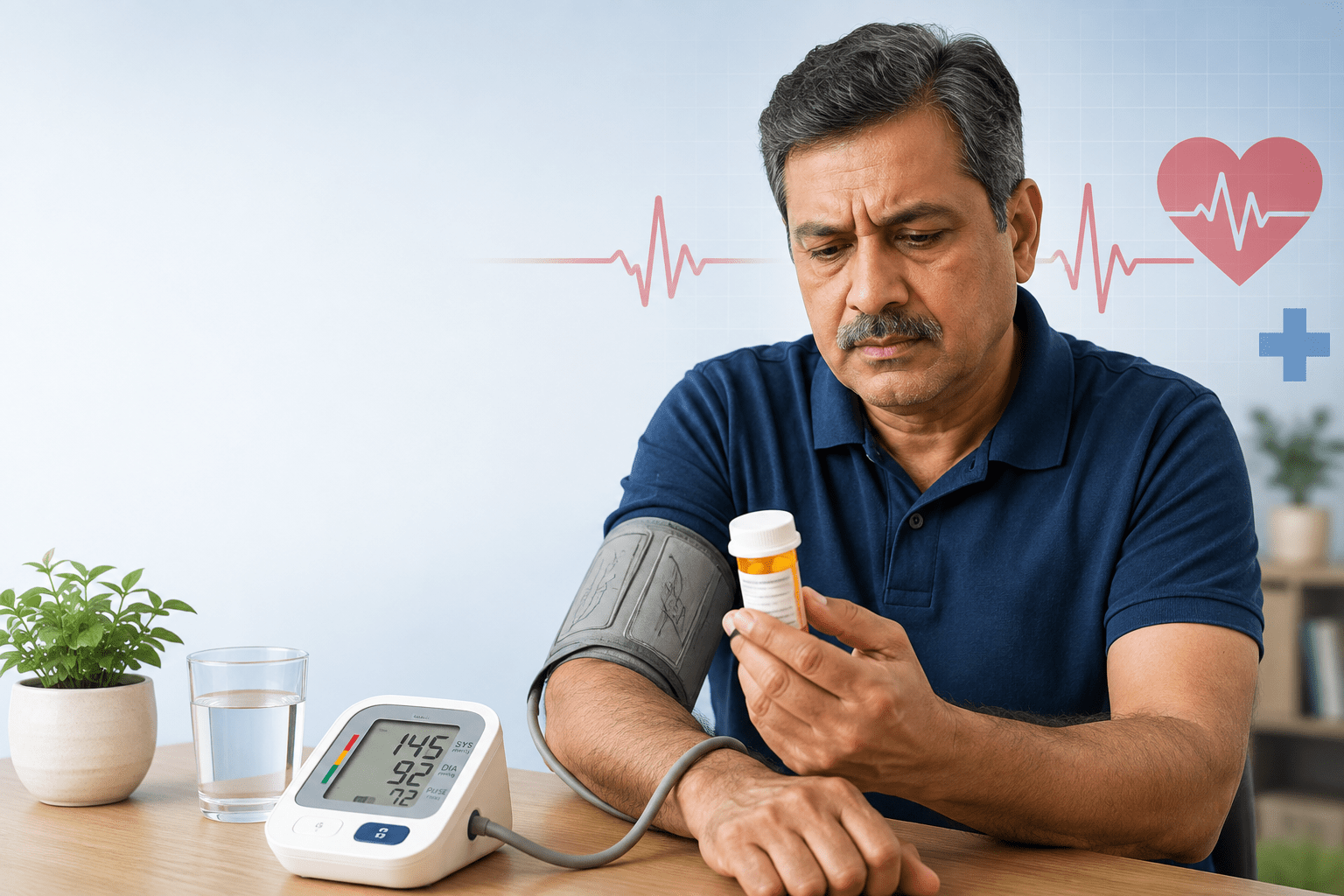

High blood pressure, also known as hypertension, is a common condition that affects millions of people worldwide. While blood pressure medications are effective for many individuals, some people continue to experience high readings despite taking their prescribed medicines. If you’re wondering, “Why is my blood pressure high even on medication?”, understanding the possible causes can help you work with your healthcare provider to improve your treatment plan.
Also Read – Best Over-the-Counter Supplements for High Cholesterol in Women
1. Missing or Not Taking Medication as Prescribed
One of the most common reasons blood pressure remains high is not taking medication exactly as prescribed. Skipping doses, taking medicines at different times each day, or stopping treatment without medical advice can reduce the medication’s effectiveness.
Tip: Set reminders or use a pill organizer to ensure you never miss a dose.
2. Your Medication May Need Adjustment
Not all blood pressure medications work the same way for every individual. Sometimes, the dosage may need to be increased, or your doctor may recommend combining two or more medications to better control your blood pressure.
Never change your medication without consulting your healthcare provider.
3. Lifestyle Habits Can Affect Blood Pressure
Even with medication, unhealthy lifestyle habits can make blood pressure difficult to control. Factors that may contribute include:
- High sodium (salt) intake
- Lack of physical activity
- Excess body weight
- Smoking
- Excessive alcohol consumption
- Poor sleep quality
Making healthy lifestyle changes can significantly improve blood pressure control.
4. Stress and Anxiety
Chronic stress can temporarily increase blood pressure and make hypertension more difficult to manage. Emotional stress may also lead to unhealthy habits such as overeating, smoking, or drinking alcohol.
Consider stress management techniques like:
- Meditation
- Deep breathing exercises
- Yoga
- Regular physical activity
5. Secondary Hypertension
In some cases, high blood pressure is caused by another underlying medical condition. This is known as secondary hypertension. Possible causes include:
- Kidney disease
- Thyroid disorders
- Sleep apnea
- Hormonal disorders
- Adrenal gland conditions
Treating the underlying condition may help improve blood pressure control.
6. Certain Medications Can Raise Blood Pressure
Some prescription and over-the-counter medications can interfere with blood pressure treatment, including:
- NSAID pain relievers
- Decongestants
- Birth control pills
- Steroids
- Some antidepressants
Always inform your doctor about all medications and supplements you take.
7. White Coat Hypertension
Some people experience higher blood pressure readings only in a medical setting due to anxiety. This is called white coat hypertension. Your doctor may recommend home blood pressure monitoring or 24-hour ambulatory monitoring to determine your actual blood pressure levels.
8. Resistant Hypertension
If your blood pressure remains above the target despite taking three or more blood pressure medications, you may have resistant hypertension. This condition requires a thorough evaluation to identify contributing factors and optimize treatment.
Also Read – How to Lower High Blood Pressure Naturally
When Should You See a Doctor?
Seek medical advice if:
- Your blood pressure consistently remains above 140/90 mmHg despite medication (or above your target set by your healthcare provider).
- You experience headaches, chest pain, dizziness, blurred vision, or shortness of breath.
- Your home blood pressure readings remain elevated over several days.
Early intervention can help reduce the risk of heart disease, stroke, kidney disease, and other serious complications.
Tips to Help Lower Blood Pressure
- Take medications exactly as prescribed.
- Reduce sodium intake.
- Eat a heart-healthy diet rich in fruits and vegetables.
- Exercise for at least 150 minutes per week.
- Maintain a healthy weight.
- Limit alcohol consumption.
- Quit smoking.
- Get adequate sleep.
- Monitor your blood pressure regularly at home.
Conclusion
If your blood pressure stays high even while taking medication, it doesn’t necessarily mean the treatment isn’t working. Factors such as medication adherence, lifestyle habits, underlying medical conditions, or the need for medication adjustments may all play a role. Working closely with your healthcare provider and making healthy lifestyle changes can help achieve better blood pressure control and reduce the risk of long-term complications.